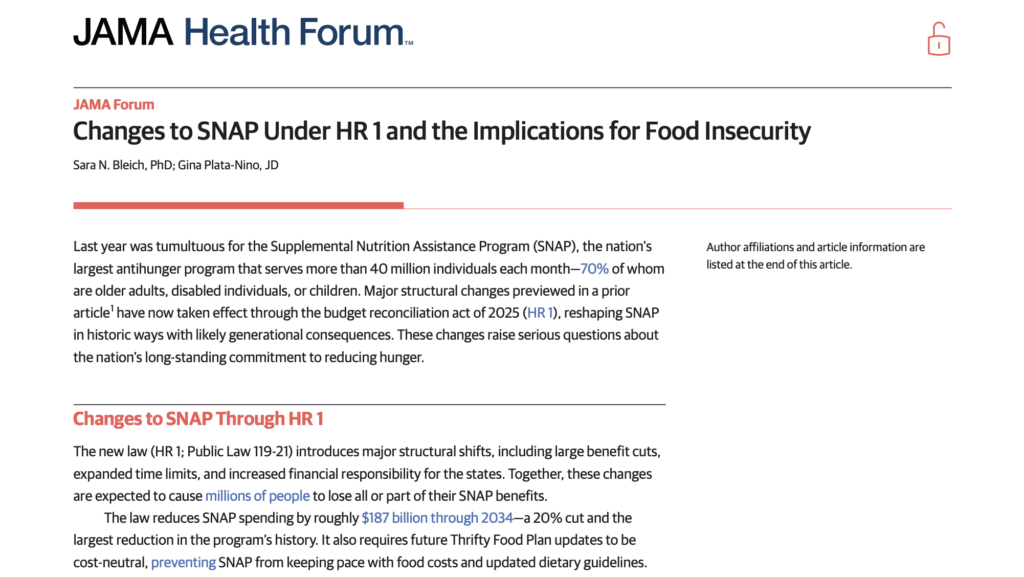
This article examines the historic structural changes to the Supplemental Nutrition Assistance Program (SNAP) enacted through H.R. 1 and their potential consequences for public health and food security.
An event recap from one of FormFest 2025’s breakout sessions featuring speakers from Code for America and Arizona’s Department of Economic Security (DES).
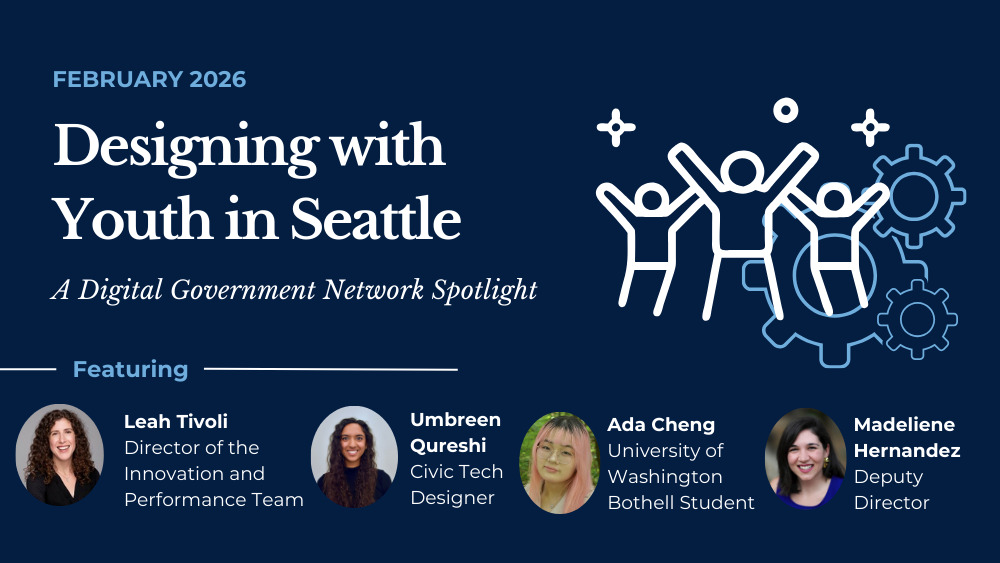
DGN Spotlights highlight innovative digital initiatives transforming how government connects with the public. This story explores Seattle’s Youth Connector—a youth-informed digital platform and outreach strategy that aims to make youth programs easier to find, access, and trust.
An event recap from one of FormFest 2024's breakout sessions featuring speakers from South Bend Indiana and others working on creating accessible legal forms.
Michigan's UIA director, Julia Dale, is leading the agency through transition by prioritizing lived experience, hope, grit, and values. Virginia's SNAP Program Manager, Michele Thomas, highlighted the success of Sun Bucks, a summer EBT child nutrition program that fed over 700,000 kids in its first year.
An event recap from one of FormFest 2024's breakout sessions featuring speakers from the Canadian Digital Service and the National Head Start Association.