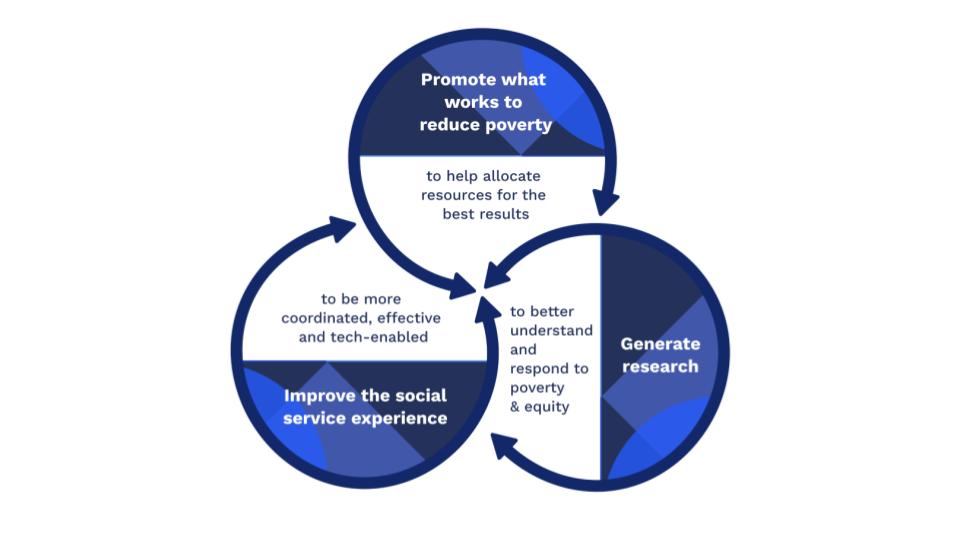
This retrospective looks at the way the NYCOpportunity initiative worked across City government, partnering with agencies to initiate new approaches and enhance city practices. It also highlights key areas of focus for the NYC Opportunity team between 2014 and 2021.
It is frequently assumed that when rules are implemented as code, a rules engine is necessary. However, it is possible for policy people and engineers to effectively work together to code logic that drives technological system without needing a mediating rules engine at all.
Originally created for use by federal staff at the U.S. Department of Health and Human Services, this tool describes the six steps for conducting equity assessments and provides tips for completing each step.
Office of the Assistant Secretary for Planning and Evaluation (ASPE)
This Blueprint is a whole-of-government effort that aims to provide a resource to assist federal decisionmakers in leveraging social and behavioral science to improve policy and program design and delivery.
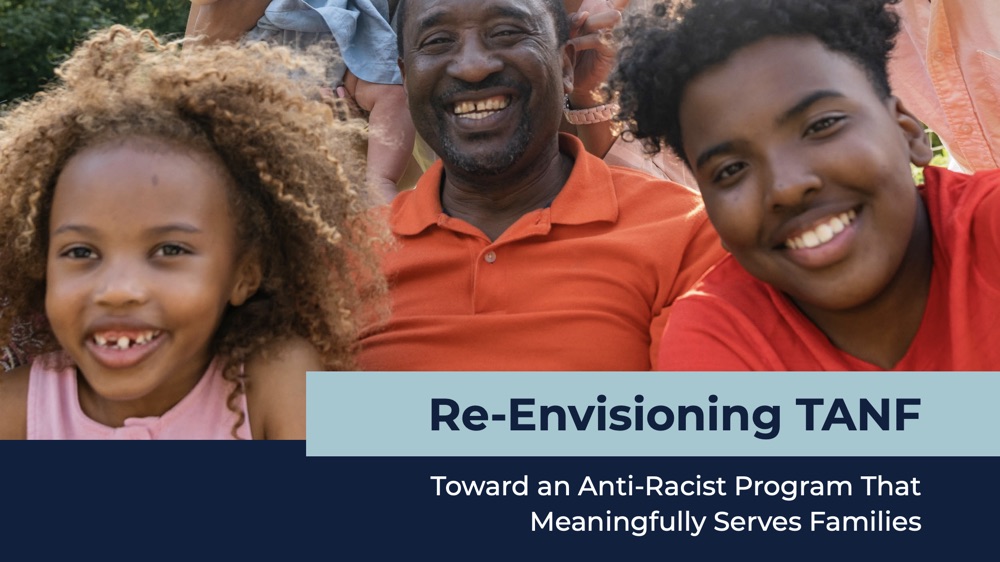
An America where no one experiences poverty is possible. Already, the U.S. has programs with the potential to make this vision a reality, including programs that provide cash assistance, like Temporary Assistance for Needy Families (TANF). The current TANF program provides very little cash assistance and is marked by stark racial disparities, but it has the potential to reduce child poverty, increase economic security, and advance racial equity. This report offers a vision for an anti-racist approach to the TANF program, with new statutory goals and policy recommendations to advance racial justice.
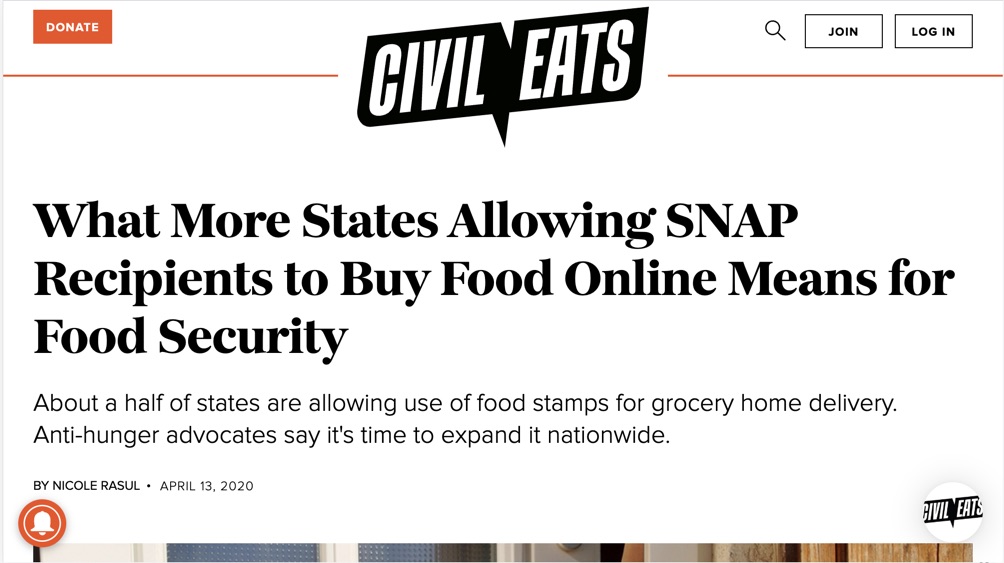
This article from Civil Eats explores how expanding online purchasing options for SNAP recipients can improve food security, especially in the wake of the COVID-19 pandemic.
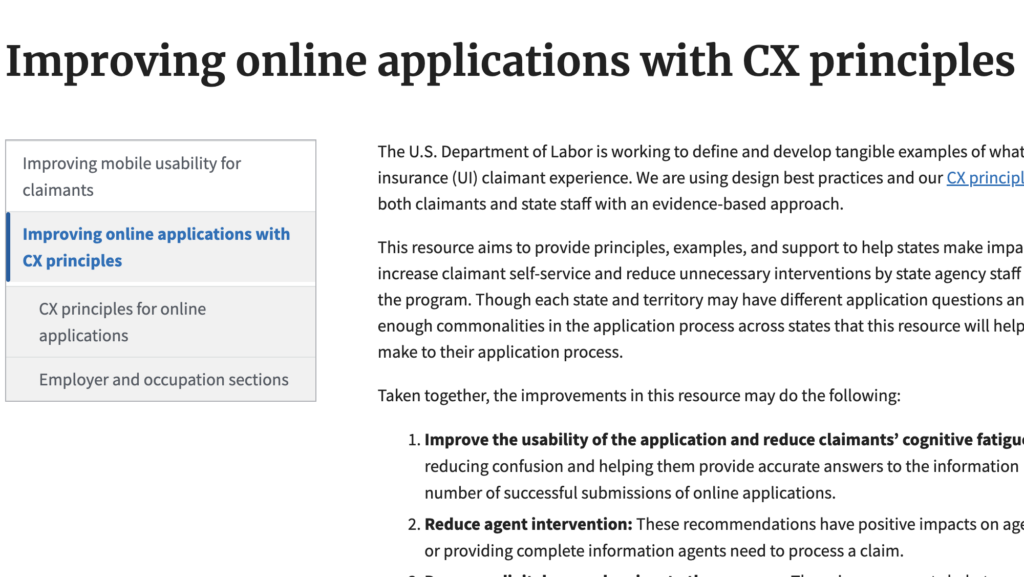
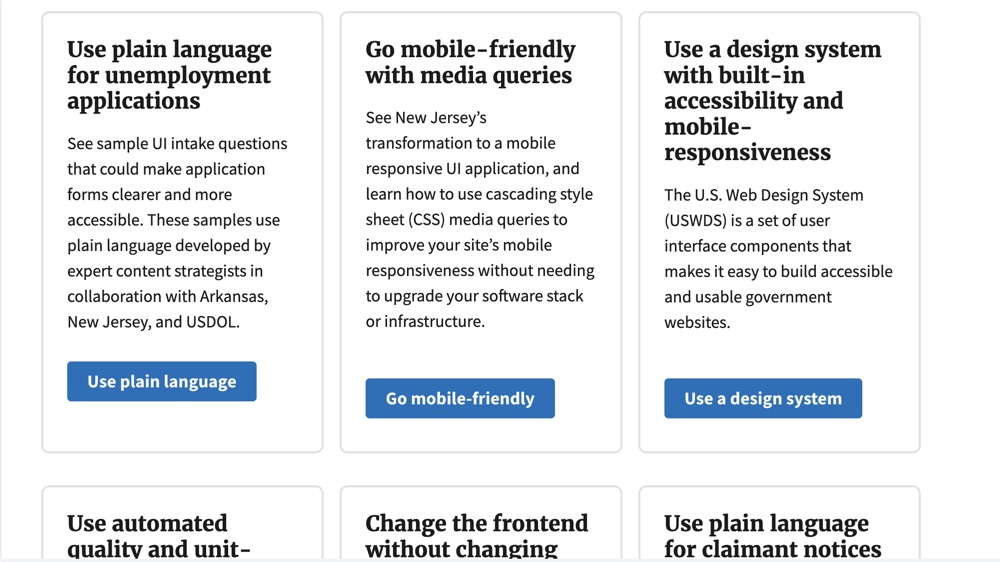
The U.S. Department of Labor is working with states, territories, and the public to develop strategies to continuously improve the nation’s unemployment insurance (UI) systems.
Technology that automates different processes can save time for caseworkers and constituents, but it can also significantly reduce the transparency of government operations. This paper describes how Pennsylvania advocates addressed the low rate of automated Medicaid renewals.
Little is known about how agencies are currently using AI systems, and little attention has been devoted to how agencies acquire such tools or oversee their use.