Key functionalities and design elements recommended for creating effective online WIC applications, focusing on usability, accessibility, and compliance to improve participant experience and streamline agency operations.
Demand for public benefits is rising in response to continued economic pressure on vulnerable people, in addition to changes in eligibility rules for some safety net programs. This report summarizes existing benefits access efforts, studies the successes and challenges of benefits expansion efforts through a subset of in-depth case studies, and analyzes the potential for sustaining, expanding, and replicating successful efforts.
Office of the Assistant Secretary for Planning and Evaluation (ASPE)
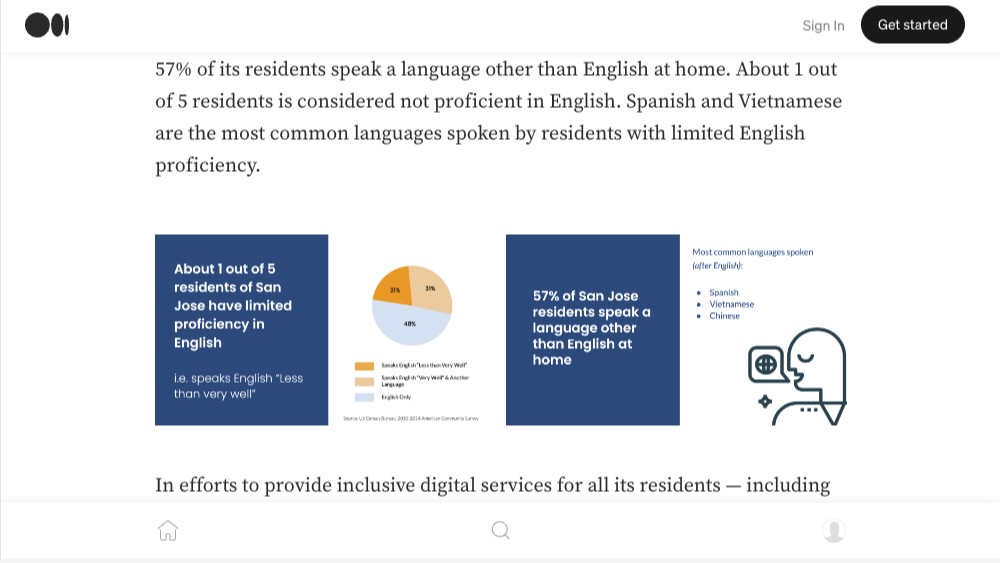
A discussion of lessons learned in the City of San José’s efforts to provide inclusive digital services for all residents through the San José 311 app.
This resource describes how different agencies have updated their systems to increase online and mobile access to benefits information and applications, including using text messages to share benefits information with residents.
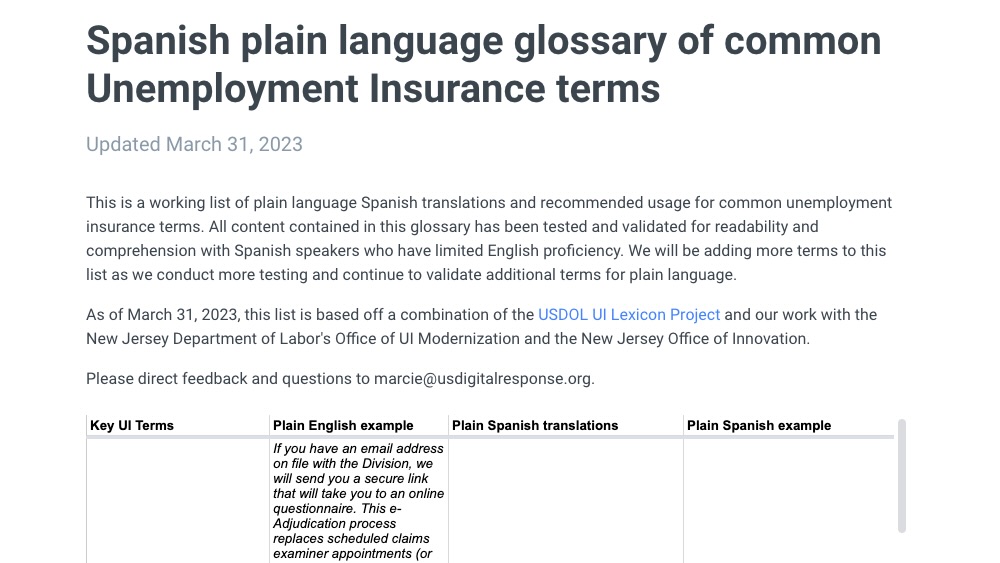
This is a working list of plain language Spanish translations and recommended usage for common unemployment insurance terms. All content contained in this glossary has been tested and validated for readability and comprehension with Spanish speakers who have limited English proficiency.
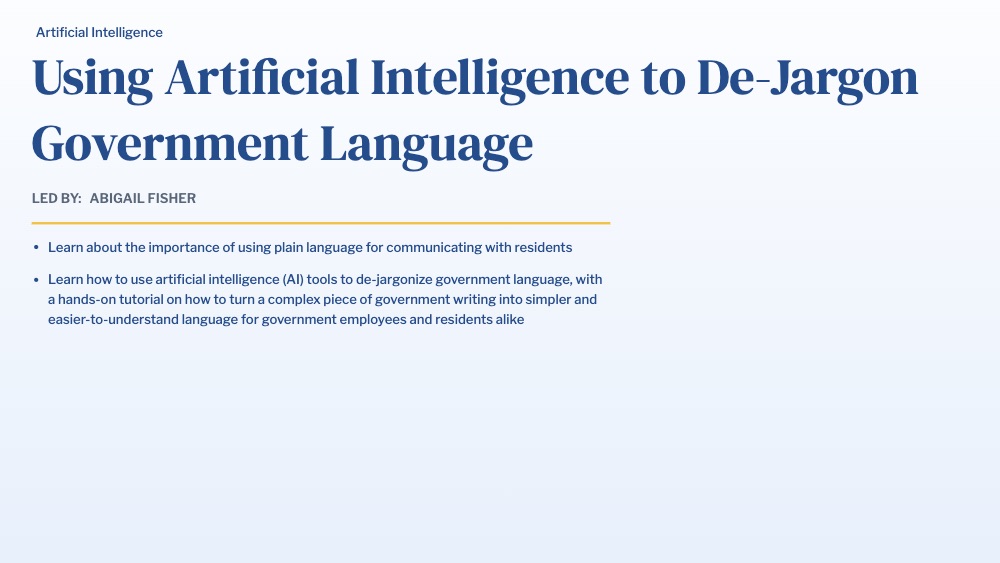
A training course on using artificial intelligence (AI) tools to de-jargonize government language, with a tutorial on turning a complex piece of government writing into simpler and easier-to-understand language for government employees and residents alike.
This report analyzes the impact of waivers that allowed WIC participants to be certified without in-person visits during the COVID-19 public health emergency, assessing effects on access, participation, and service delivery.
This guide addresses technical and engineering requirements for a text messaging program, including texting platform options, and procurement and vendor management, among other technical implementation topics.
Drawing on the Beeck Center’s research on government, nonprofit, academic, and private sector organizations that are working to improve access to safety net benefits, this report highlights best practices for creating accessible benefits content.