Implementing client-centered communication strategies, such as clear language and digital reminders, can significantly reduce churn in public benefit programs, ensuring eligible individuals maintain continuous access to essential services.
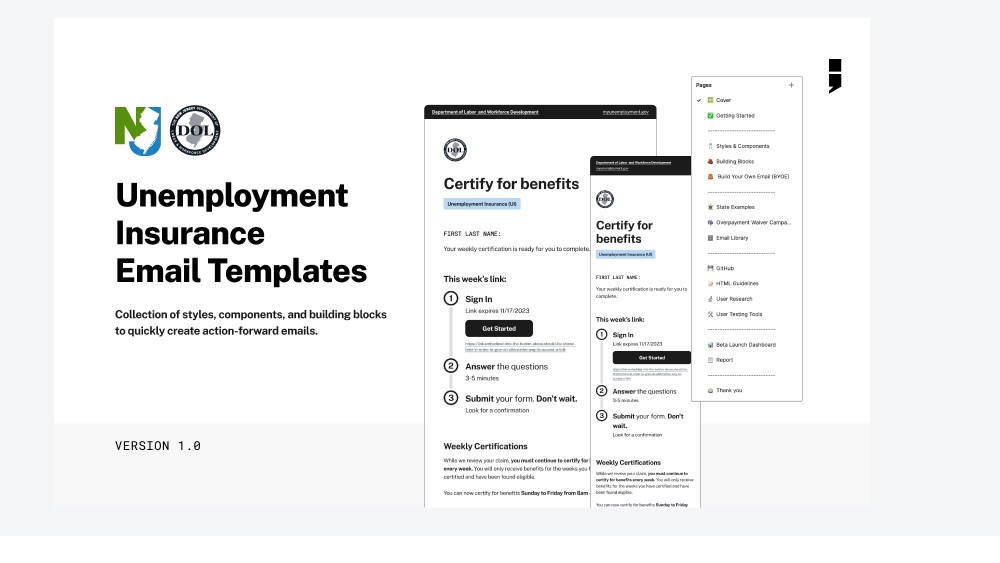
This kit contains a collection of styles, components, and building blocks to quickly create action-forward emails for Unemployment Insurance programs within the U.S.
This Executive Order mandates citywide actions to make government information more inclusive, accessible, and understandable through digital accessibility and plain language initiatives.
A toolkit that outlines seven practical steps for government agencies to build or strengthen a communications program aligned with audience needs and organizational goals.
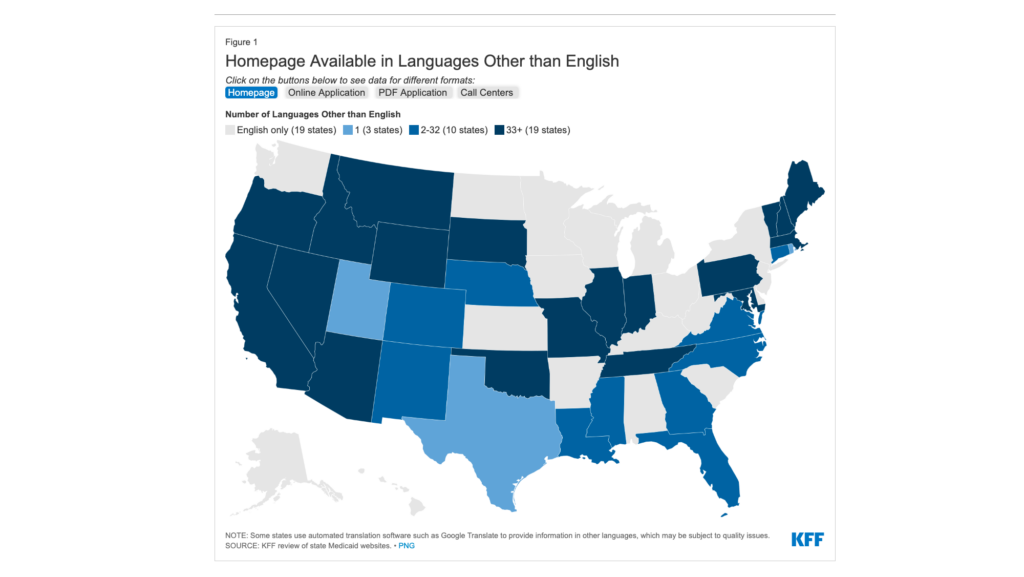
This issue brief examines how limited English proficiency creates barriers to enrolling in and accessing Medicaid and CHIP, and how states provide language access services to address these challenges.
While most states provide basic digital accessibility, this review warns that persistent gaps in language services and disability accommodations create significant barriers for enrollees as pandemic-era Medicaid protections expire.
An impact report summarizing how a small public-sector innovation team tested, built, and piloted shared digital services to reduce administrative burden in public benefits delivery.
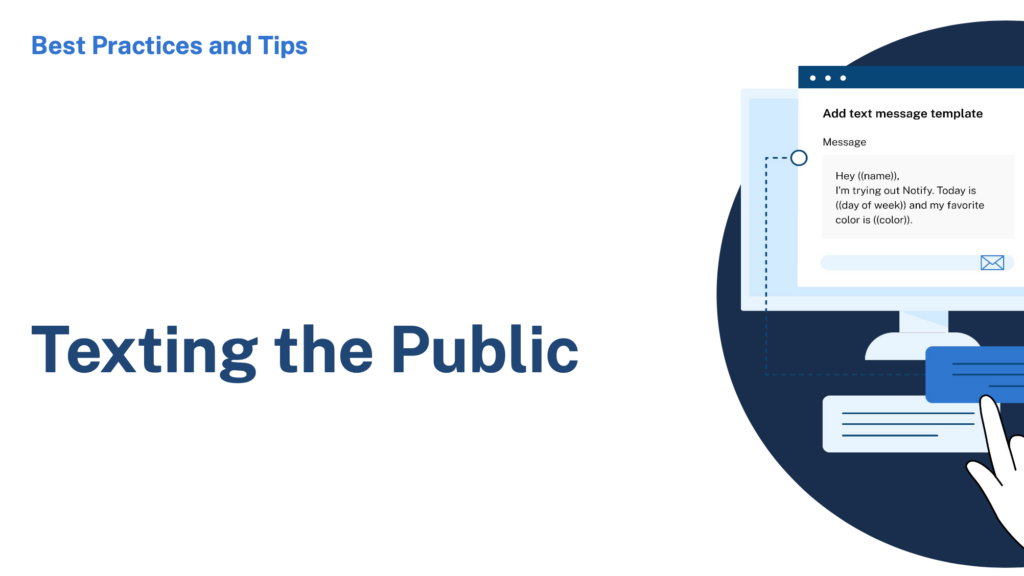
A practical guide for government teams on how to design, test, and run effective public text message campaigns for benefits and service communications.