This publication explains current state integrated eligibility and enrollment (IEE) system implementation processes, approaches, and opportunities for future processes and technologies. It is a resource for state officials, advocates, funders, and tech partners working to implement these systems.
An impact report summarizing how a small public-sector innovation team tested, built, and piloted shared digital services to reduce administrative burden in public benefits delivery.
This report provides human-centered design templates and implementation guidance to help states integrate Medicaid work requirement questions into benefits applications while minimizing administrative burden and coverage loss.
A strategic roadmap outlining the vision, goals, and measurable success criteria for building a unified, resident-centered digital portal for Washington State services.
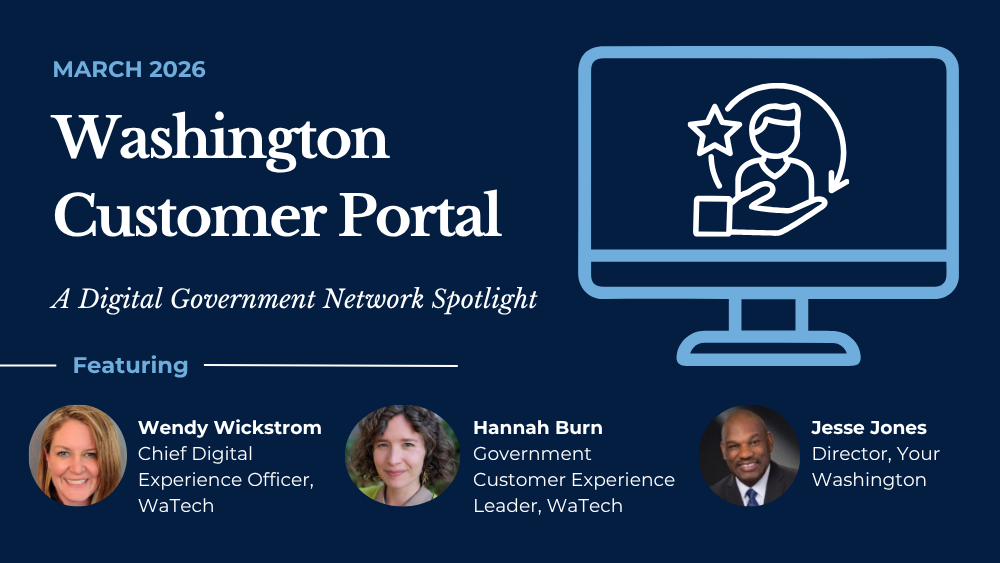
DGN Spotlights highlight innovative digital initiatives transforming how the government connects with the public. This story explores Washington State’s Customer Portal, a platform representing a major step toward unifying digital service access across state agencies.
An article examining how automation and AI are being used in welfare systems, arguing that digital benefits administration often reproduces longstanding patterns of surveillance, exclusion, and inequality.
This brief provides a framework for states to align and coordinate work requirement implementation across SNAP and Medicaid following the passage of H.R. 1.
This technical guide provides a framework for state agencies to minimize procedural terminations and health coverage losses resulting from new Medicaid work reporting requirements.
This article examines the historic structural changes to the Supplemental Nutrition Assistance Program (SNAP) enacted through H.R. 1 and their potential consequences for public health and food security.
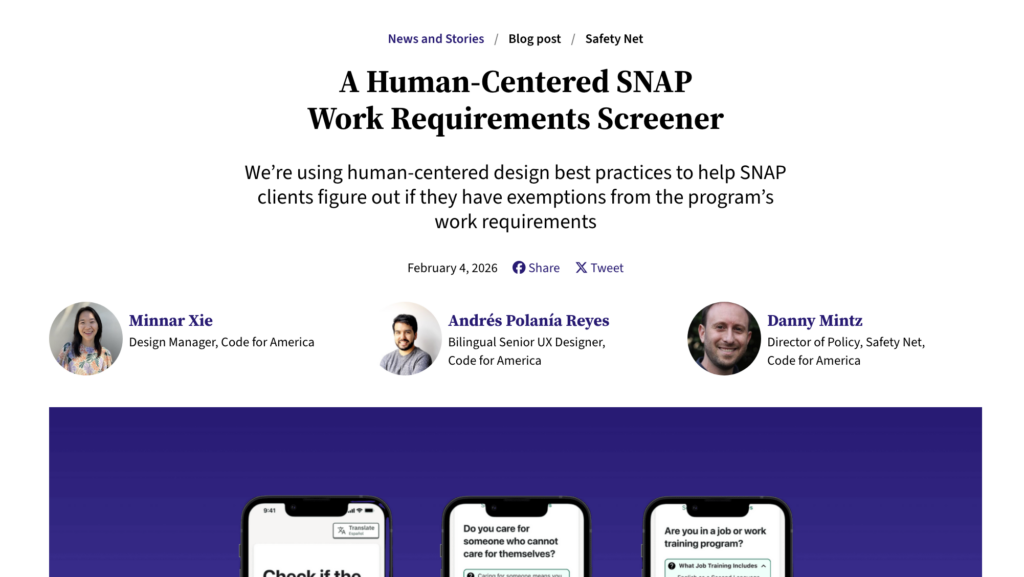
This blog post details the development of a human-centered screening tool designed to help SNAP clients identify and report exemptions from work requirements.
This publication offers a starting point into the current research and practice landscape on data interoperability for public benefits administration. It identifies key takeaways for those looking to advance such efforts in their jurisdiction. In particular, it pinpoints what the research reveals about key challenges benefits agencies face, as well as recommendations for addressing those challenges and examples of states and localities that have done so.
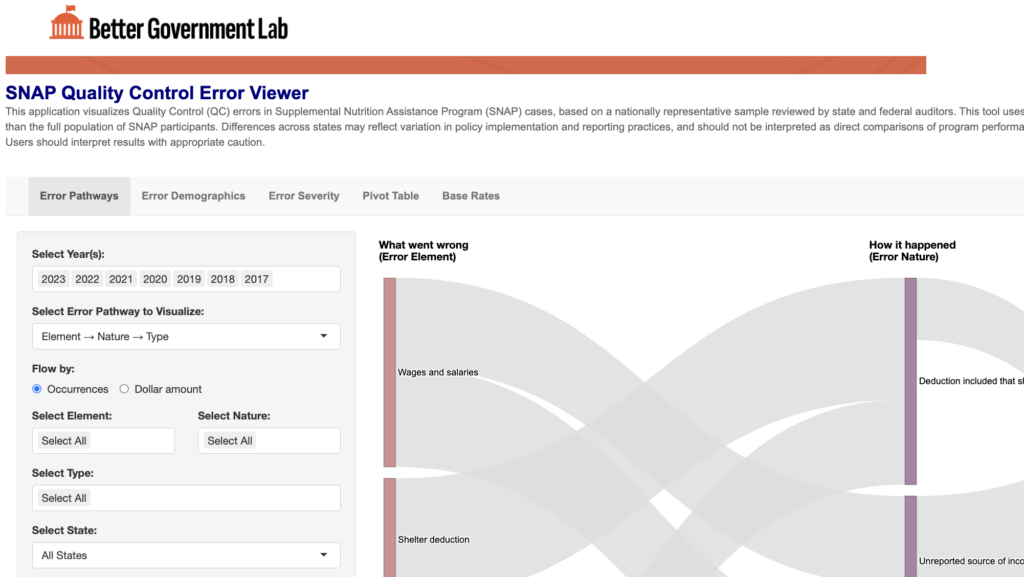
An interactive dashboard that allows users to explore Supplemental Nutrition Assistance Program (SNAP) Quality Control data to better understand payment errors, eligibility issues, and administrative performance across states.