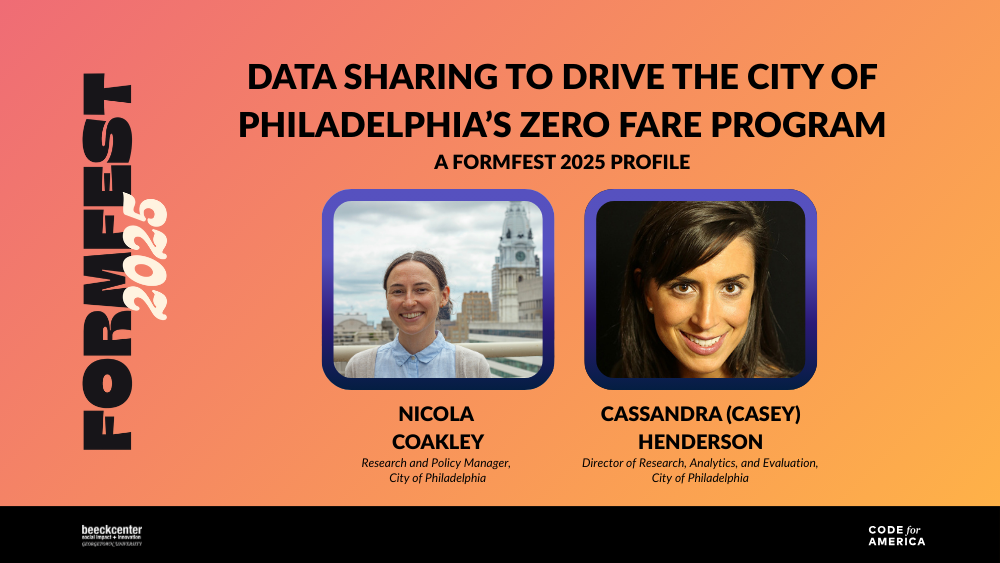
This FormFest profile explores how Philadelphia leveraged cross-department data sharing to launch its Zero Fare program, auto-enrolling eligible residents in unlimited transit benefits while tackling the challenge of outreach and trust-building to deliver passes effectively.
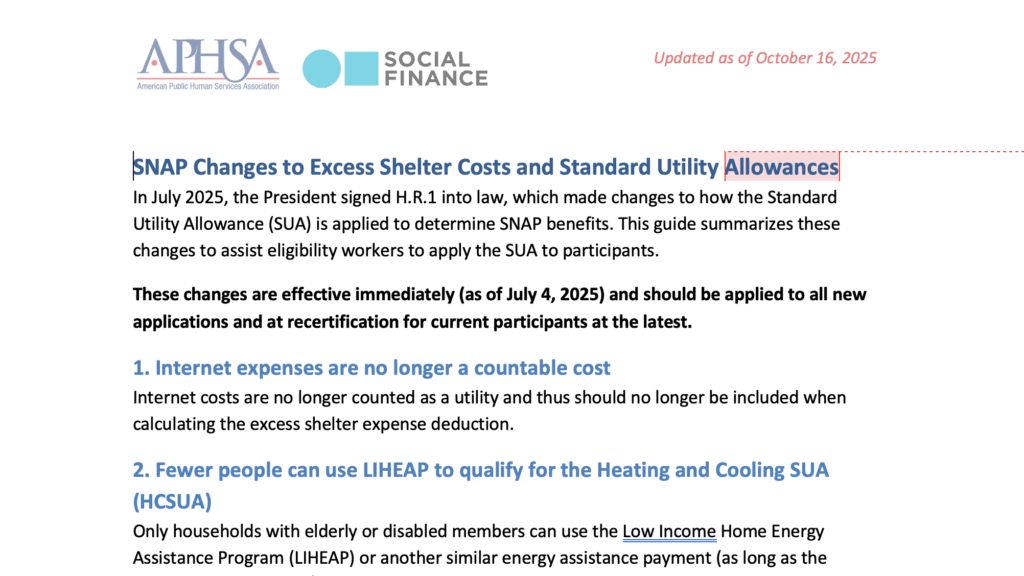
This report provides an initial fiscal analysis of how H.R. 1 (the “One Big Beautiful Bill”) will affect the state’s federally funded programs across agencies, estimating multi-billion-dollar reductions in SNAP, Medicaid, education, and infrastructure revenues.
This overview introduces direct cash transfers (DCTs) in the United States, outlining their history, major programs, and findings from contemporary guaranteed income demonstrations that show how cash supports improve family stability, health, and economic mobility
A national survey of low-wage workers showing that administrative burdens in SNAP and Medicaid are common and strongly linked to food hardship, healthcare hardship, and chronic illness.
This issue brief provides a comprehensive framework for state officials to monitor and evaluate the far-reaching impacts of the H.R.1 budget reconciliation bill on the Medicaid program.
This presentation focuses on data-driven and analytic strategies for identifying and verifying medical frailty exemptions within Medicaid work requirements.
The U.S. Department of Health and Human Services (HHS) announced it is rescinding prior blanket waivers that allowed discrimination based on religion, sexual orientation, and gender identity in taxpayer-funded programs.
U.S. Department of Health and Human Services (HHS)
Provides state and local Special Supplemental Nutrition Program for Women, Infants, and Children (WIC) agencies with a practical guide for developing or improving online WIC application systems.
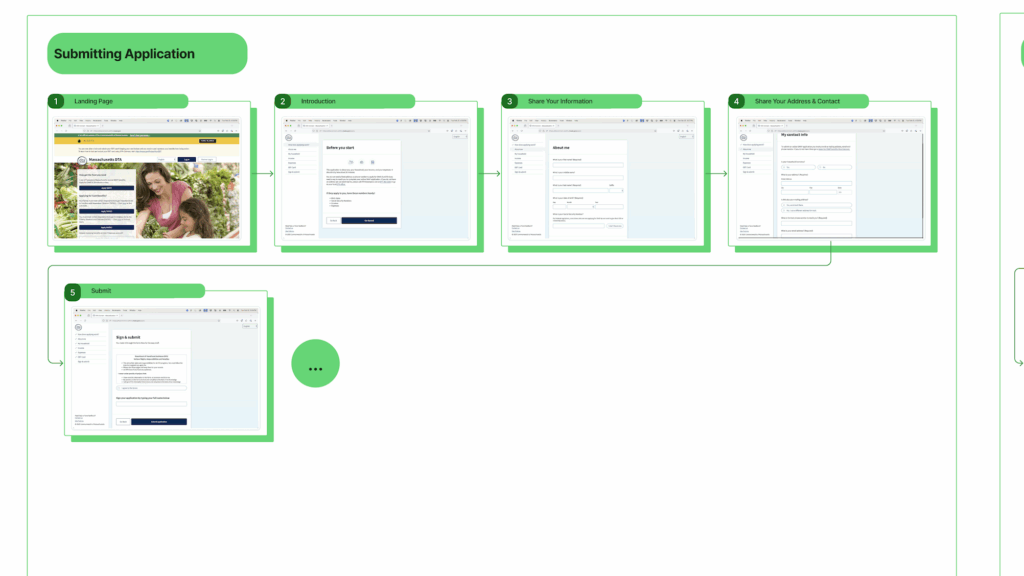
Created for use in the Digital Doorways research project, this design stimuli shows the steps of submitting an application, sharing personal information, and verifying identity for Massachusetts' online application for SNAP benefits.