The Digital Benefits Network's second Digital Identity Community of Practice quarterly call centered exploring client support models in digital identity and an update on the Balance ID project.
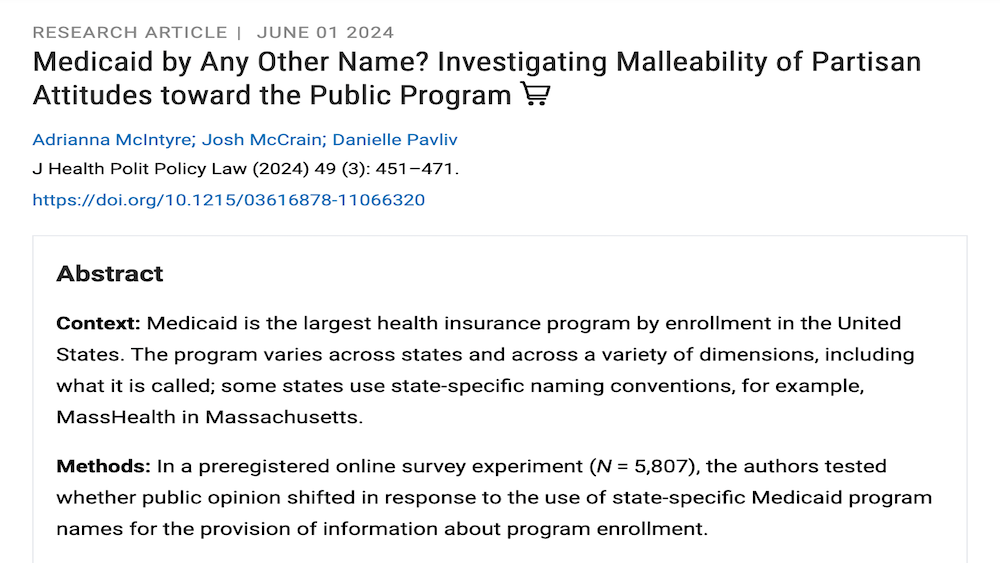
This study found that using state-specific names for Medicaid programs increased confusion and reduced both positive and negative opinions about the program.
There were over 25 million Medicaid disenrollments in 2023, but national enrollment remained significantly above pre-pandemic levels at over 56 million, with notable state-level variations and near-recovery of child enrollment.
The team explored the performance of various AI chatbots and LLMs in supporting the adoption of Rules as Code for SNAP and Medicaid policies using policy data from Georgia and Oklahoma.
NYC's My File NYC and New Jersey's unemployment insurance system improvements demonstrate how successful digital innovations can be scaled across various programs, leveraging trust-building, open-source technology, and strategic partnerships.
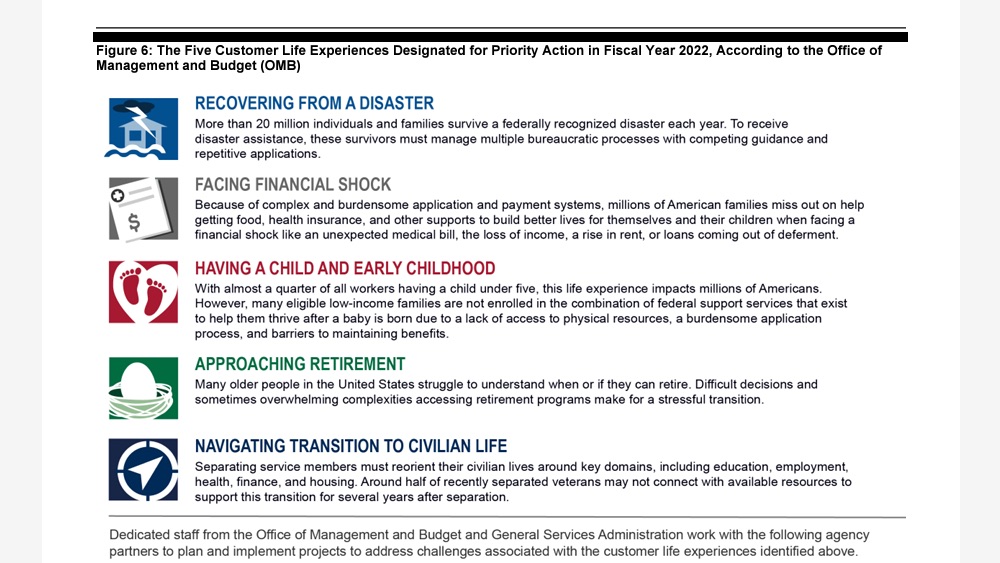
The 2021 President’s Management Agenda identified federal customer experience as a priority area for improvement. GAO was asked to review OMB and selected federal agencies’ efforts to improve federal customer experience.
In this webinar, the Center on Budget and Policy Priorities and the Digital Benefits Network explored key terms related to digital identity, and provided ecosystem-level context on how authentication and identity proofing may show up in the online benefits experience and impact clients.
This brief highlights key takeaways from APHSA’s work on young families, starting with an overview of the young families work and its early years, followed by key takeaways and highlights from its final year, ending with opportunities for future work in the young families space.
American Public Human Services Association (APHSA)
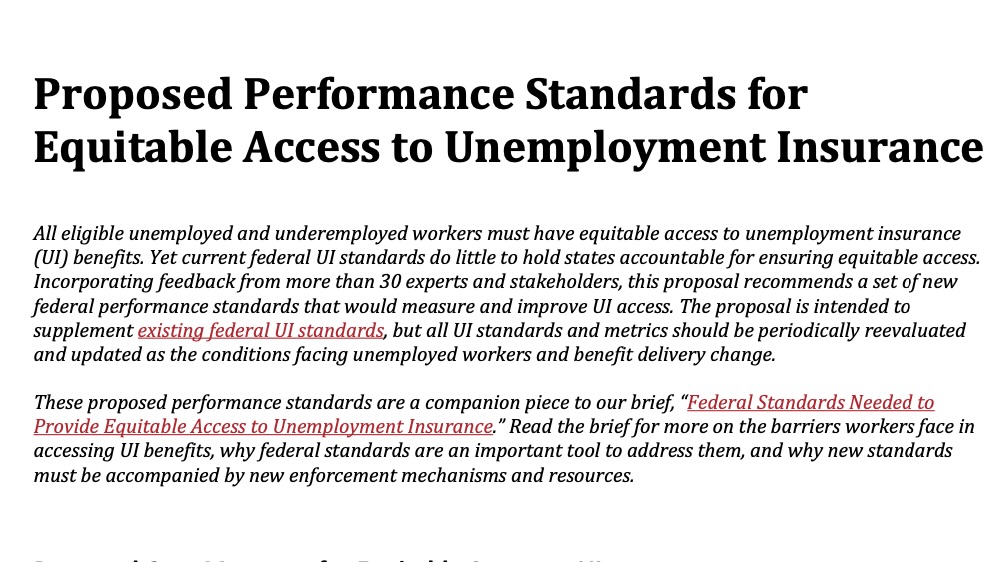
This proposal recommends a set of new federal performance standards that would measure and improve UI access. The proposal is intended to supplement existing federal UI standards, but all UI standards and metrics should be periodically reevaluated and updated as the conditions facing unemployed workers and benefit delivery change.
This report puts forth an anti-racist reimagining of Medicaid and CHIP that actively reckons with the racist history of the Medicaid program and offers principles and recommendations that capitalize on the transformative potential of the programs. The principles center the voices and agency of program participants and prioritize direct community involvement at all stages of the policy process.