In 2024, the Center on Budget and Policy Priorities and Digital Benefits Network led a workshop to explore key terms related to digital identity, and provide ecosystem-level context on how authentication and identity proofing may show up in the online benefits experience and impact clients. This resource links to the presentation slides.
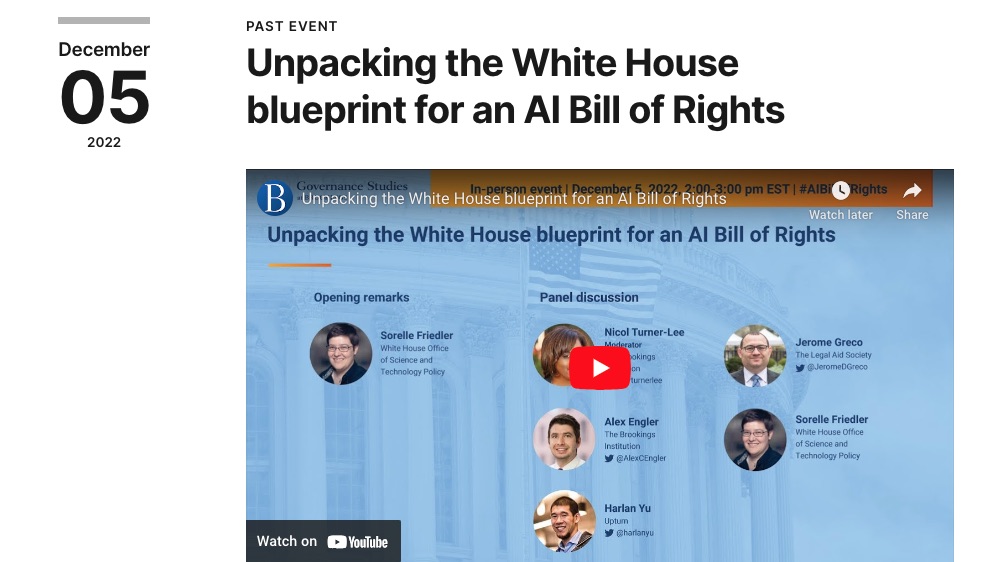
On December 5, 2022, an expert panel, including representatives from the White House, unpacked what’s included in the AI Bill of Rights, and explored how to operationalize such guidance among consumers, developers, and other users designing and implementing automated decisions.
This report outlines how the New Jersey Department of Human Services’ Division of Family Development (DFD) and the Department of Health (NJDOH) are increasing SNAP & WIC co-enrollment through data sharing, outreach, and systems integration.
American Public Human Services Association (APHSA)
This report describes how the government can use widespread social media feedback and begin to build long-term measures to center people’s experience as an important component of policy design
Handbook by 18F designed for executives, budget specialists, legislators, and other “non-technical” decision-makers who fund or oversee state government technology projects that receive federal funding and implement the necessary technology to support federal programs. It aids in setting projects up for success by asking the right questions, identifying the right outcomes, and equally important, empowering decision-makers with a basic knowledge of the fundamental principles of modern software design.
This report explores strategies for developing a new generation of technologists dedicated to public interest work, emphasizing the need for a stronger talent pipeline to support government and nonprofit technology initiatives.
Technology that automates different processes can save time for caseworkers and constituents, but it can also significantly reduce the transparency of government operations. This paper describes how Pennsylvania advocates addressed the low rate of automated Medicaid renewals.
The vast fraud committed through the use of stolen and synthetic identities in UI programs has spotlighted the need for updated identity fraud detection mechanisms. As states are implementing new technologies and systems, they need to consider the ways in which they are impacting racial inequities in UI benefits.
This blog post discusses strategies that states can implement to make public assistance applications more accessible during the COVID-19 crisis, emphasizing the importance of flexibility in application processes to accommodate increased demand and social distancing measures.