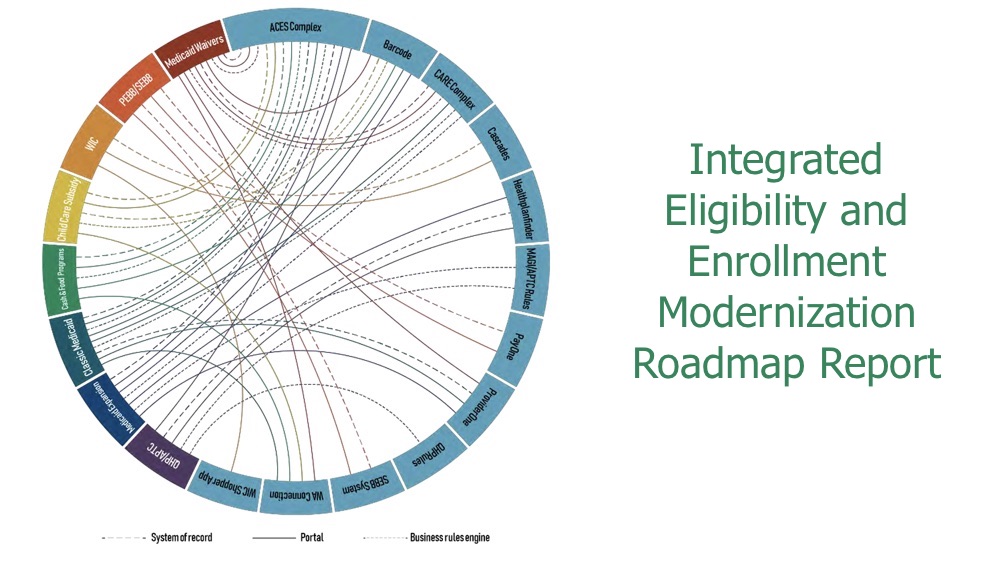
This roadmap provides a vision and plan for how to deliver modernized integrated eligibility and enrollment for health and human services using human-centered design, modular approaches to replacing legacy technology, change management, and iterative product processes.
SNAP Waivers and Adaptations During the COVID-19 Pandemic: A Survey of State Agency Perspectives in 2020 is a study conducted by the Johns Hopkins Institute for Health and Social Policy (IHSP) based at Johns Hopkins Bloomberg School of Public Health and the American Public Human Services Association (APHSA). This research seeks to understand perspectives from state SNAP administrators on the successes, challenges, and lessons learned from waivers and flexibilities used to preserve equitable access to SNAP during the COVID-19 pandemic. Based on state agency survey responses, this report summarizes key findings from the first calendar year of pandemic response and provides policy considerations for the future of SNAP. This research was supported by Healthy Eating Research, a national program of the Robert Wood Johnson Foundation.
Johns Hopkins Institute for Health and Social Policy
Temporary Assistance for Needy Families (TANF) leaders, policymakers, and researchers all recognize the need for TANF agencies to use the data they collect to better understand how well their programs are working and how to improve them, given the impact on the families they serve. It is often difficult, however, for agencies already stretched to capacity to prioritize and execute data use and analytics. State TANF leaders are seeking roadmaps for how to transform their organizations and become data-driven.
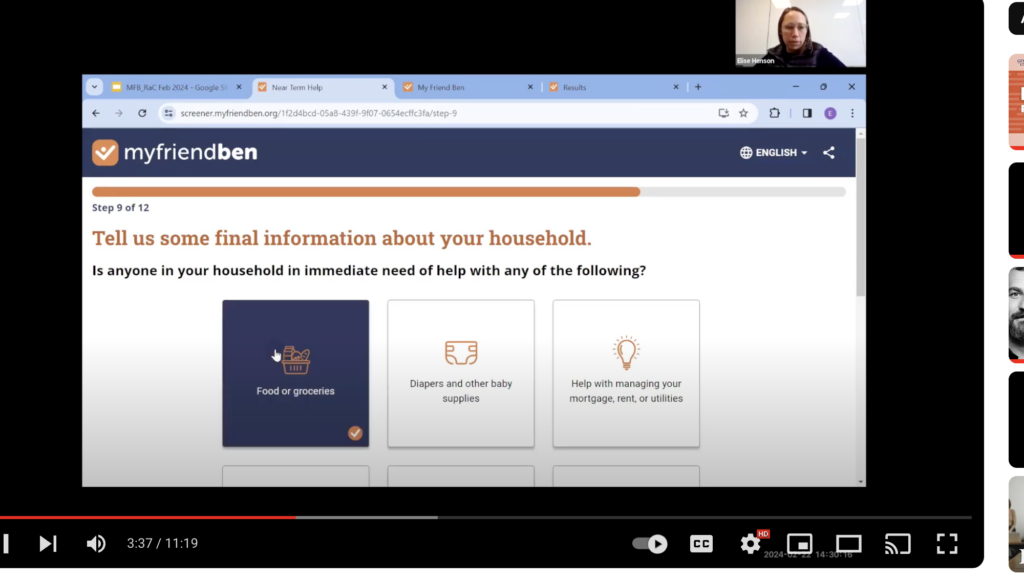
This report outlines a dozen fintech and civic tech organizations working across fourteen safety net programs to show what’s possible when modern technology is married to a consumer insights perspective.
Through the ACCESS project, key collaborators have shared insights into current and future opportunities for alignment within their agencies, including potential enablers for and barriers to alignment activities.
American Public Human Services Association (APHSA)
This post explores the lessons learned and opportunities for improvement from USDR's research on families' experiences as they navigate the child care journey.
The Performance.gov team hosted a webinar featuring federal customer experience (CX) changemakers from across government and focused on the nine CX projects that aim to address pain points learned about through human-centered design research.
Applying UX research methods, the City of San Jose worked to improve how low-income and non-English speaking residents engaged with My San Jose, a website and mobile app for residents to report neighborhood issues to cities. They used a Spanish and Vietnamese translator to conduct interviews with target users, then detailed major findings and corresponding recommendations in this report.
Coordinating SNAP & Nutrition Supports (CSNS) is a cohort program developed by the American Public Human Services Association (APHSA) and No Kid Hungry, a national campaign run by Share Our Strength.
American Public Human Services Association (APHSA)
This report examines how the U.S. federal government can enhance the efficiency and equity of benefit delivery by simplifying eligibility rules and using a Rules as Code approach for digital systems.
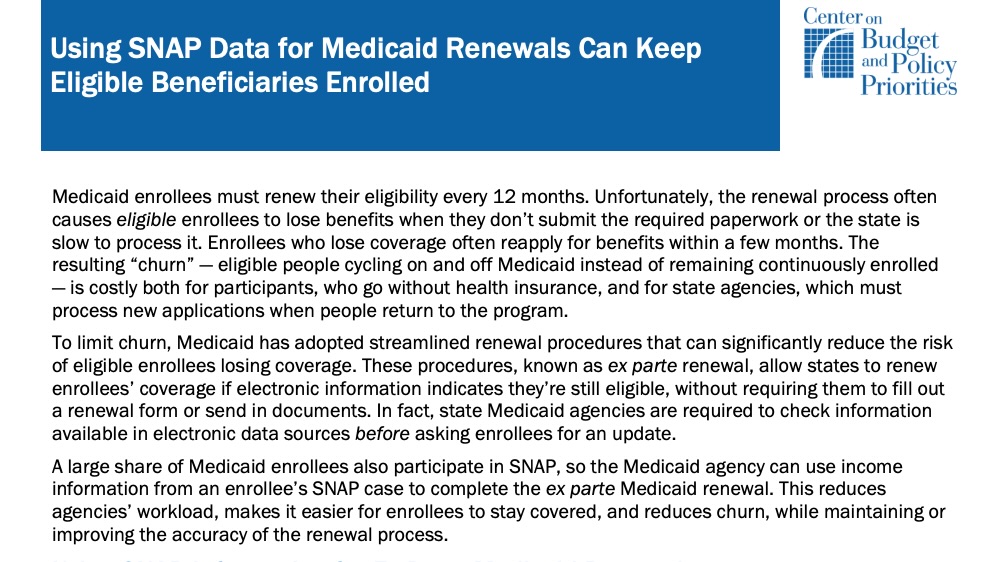
The report discusses how state Medicaid agencies can utilize Supplemental Nutrition Assistance Program (SNAP) data to streamline the Medicaid renewal process, thereby maintaining coverage for eligible beneficiaries.