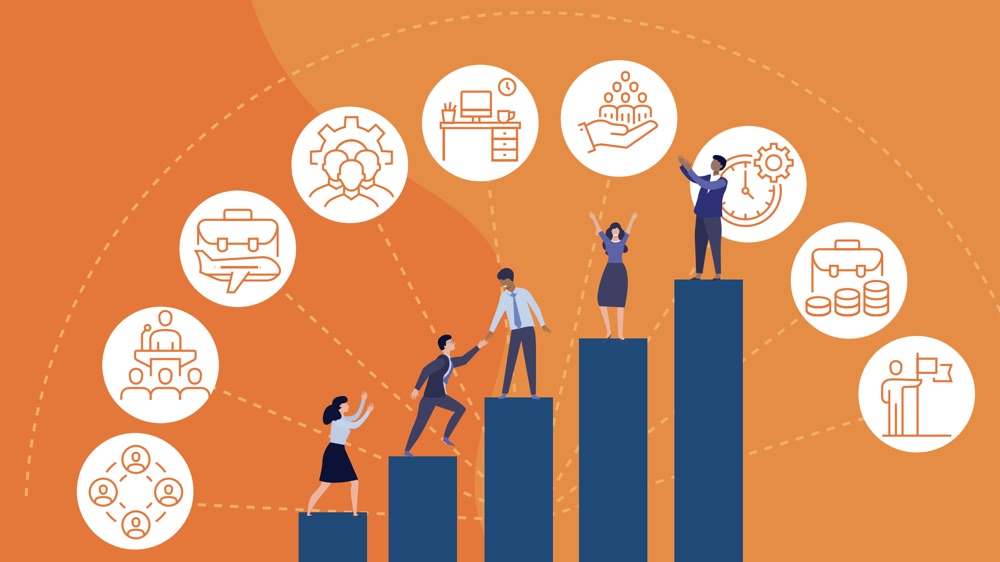
In order to create for all, we have to employ processes that authentically engage misrepresented communities. People tend to think of diversity, equity, and inclusion (DEI) efforts in terms of implicit bias workshops, employee resource groups, and hiring processes. These efforts are all important, but it is also necessary to focus on DEI as it relates to the creation of products, services, and content, and use a design-thinking approach to tackle these tricky issues.
The Urban Institute's report outlines actionable approaches for state governments and organizations to enhance the accessibility and retention of public benefit programs, focusing on service delivery, policy reforms, and technological advancements.
This resource provides examples and practical guides that explain how to use existing regulations and data sharing agreements to transfer client information or eligibility status between benefit programs.
Code for America highlights the importance of recognizing the effects of intergenerational trauma on communities that have been systemically marginalized when conducting research.
This guide addresses technical and engineering requirements for a text messaging program, including texting platform options, and procurement and vendor management, among other technical implementation topics.
Report by the Aspen Institute discussing Benefits21, a multi-stakeholder, multi-faceted initiative to integrate and modernize benefits systems. This paper provides an overview of Benefits21, along with a discussion of the shortcomings of current public and private benefit systems.
In 2024, the Center on Budget and Policy Priorities and Digital Benefits Network led a workshop to explore key terms related to digital identity, and provide ecosystem-level context on how authentication and identity proofing may show up in the online benefits experience and impact clients. This resource links to the presentation slides.