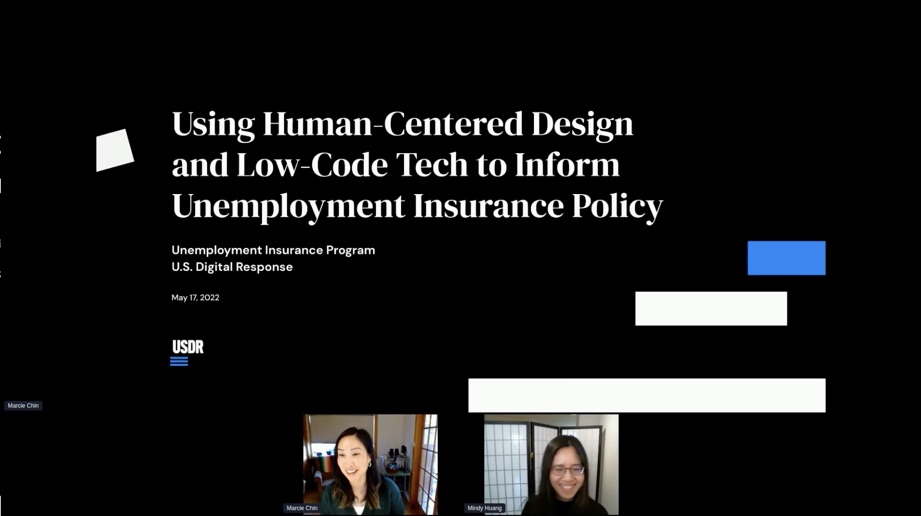
U.S. Digital Response partnered with the Department of Labor to design a human-centered, low-code solution for efficient retroactive unemployment benefit determination.
This policy blueprint outlines six actionable steps for state governments to improve digital identity infrastructure, focusing on security, equity, innovation, and privacy.
Article announcing five new projects by the Office of Management and Budget that will improve experiences the public has with the government during significant movements in their lives. These “life experience” projects are at the center of a new model for how the Federal Government should better design and deliver benefits, services, and programs to the American people during the moments in their lives that matter most.
In this brief, APHSA outlines its commitment to addressing the causes of structural inequities by first illuminating structural root causes of race inequity within the context of human services. The brief outlines approaches to doing the intentional and systematic work that is required to counteract the structural barriers human services systems have fostered.
American Public Human Services Association (APHSA)
The GetCalFresh team, the California Department of Social Services, and the California Secretary of State’s office worked together to create a simplified, accessible voter registration experience with clients. When people come to GetCalFresh.org, they are looking to apply for food assistance, so the state of California did not want voter registration to become an obstacle to the goal of getting food assistance. Thus, rather than directing clients to anther website, they offered to text clients a link to the CA Secretary of State’s voter website with directions on how to register.
In 2022, Nava formed its first-ever PAC as part of their initiative to help Montana’s Special Supplemental Nutrition Program for Women, Infants, and Children (WIC) program design a new recertification portal. Leveraging what Nava learned from this experience, this toolkit outlines the necessary steps to form a PAC, including planning a structure for the council, recruiting participants, and other logistics.
In February 2023, the Digital Benefits Network at the Beeck Center for Social Impact + Innovation released a dataset documenting authentication and identity verification requirements that unemployment insurance (UI) applicants encounter across the United States. This resource outlines high-level observations from the data and more information about the research process.
Tangible tools, scoring guides and strategies to embed equity and wellbeing into your procurement process. Designed for human services with opportunities to apply these principles to other fields.