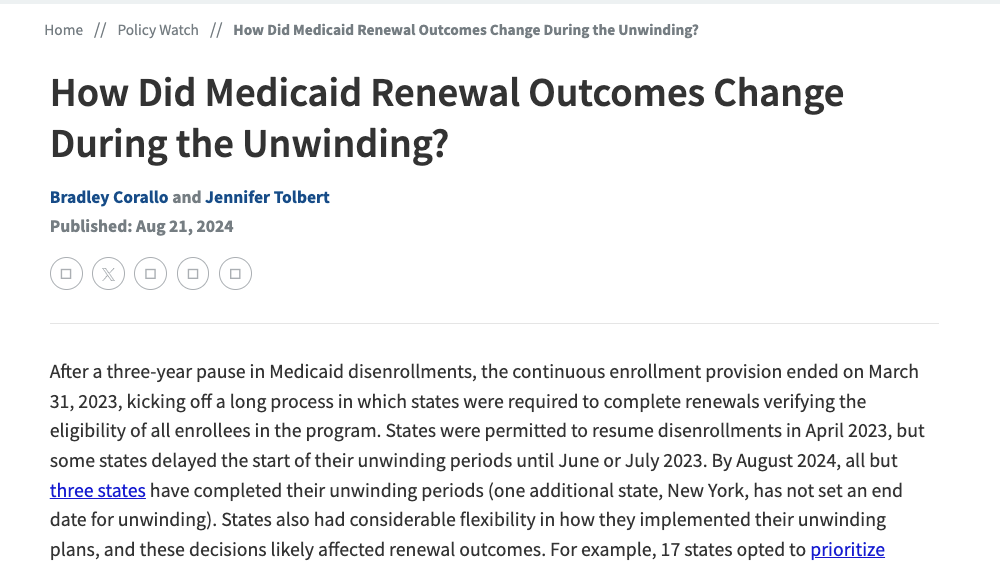
Post-Medicaid continuous enrollment's end in March 2023, states faced renewal challenges through August 2024, seeing improved auto-renewals but persistent procedural disenrollments despite outreach and intervention.
Through its work with USDS, California identified key strategies and quick implementation steps to automate federal unwinding waivers that would net the largest impact for Medi-Cal redeterminations.
California Health and Human Services Agency (Cal HHS)
This report calculates the cumulative impact of major benefit programs on two types of families and how their benefits change as they move into the labor market and climb the ladder of upward mobility.
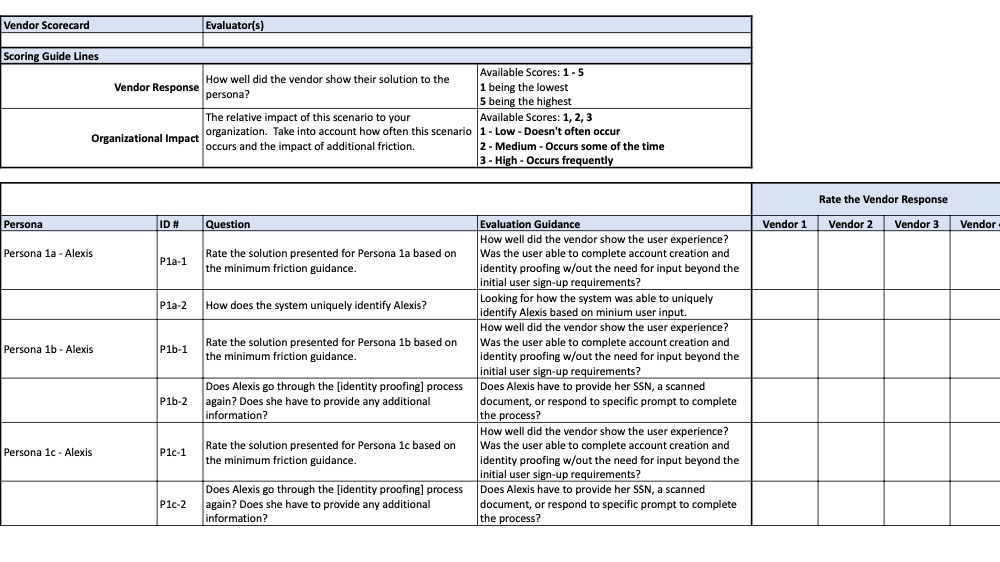
This scoring matrix from the California Employment Development Department (EDD) shows how the agency evaluated vendor proposals for a new identity proofing approach, based on vendors' ability to serve different user personas.
State of California Employment Development Department (EDD)
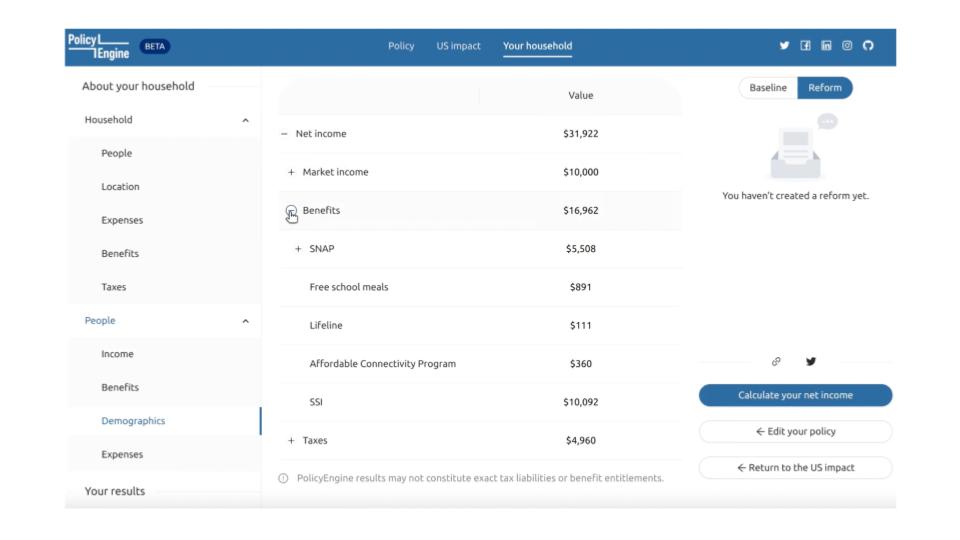
PolicyEngine is a nonprofit that provides a free, open-source web app enabling users in the US and UK to estimate taxes and benefits at the household level, while also simulating the effects of policy changes. By combining tax and benefits data, PolicyEngine helps individuals and policymakers better understand the impacts of existing policies and proposed reforms, using microsimulation models built from legislation and enhanced survey data.
Michigan's UIA director, Julia Dale, is leading the agency through transition by prioritizing lived experience, hope, grit, and values. Virginia's SNAP Program Manager, Michele Thomas, highlighted the success of Sun Bucks, a summer EBT child nutrition program that fed over 700,000 kids in its first year.
Government agencies at all levels collect administrative data in the course of their day-to-day operations. While such information has been used to determine effectiveness through program evaluations for many years, program administrators view it increasingly as a valuable resource that can also be used to improve program performance. For example, administrative data from employment and public benefits programs such as Temporary Assistance for Needy Families (TANF) can offer insights into families’ unmet needs and ways to improve services.
California’s SNAP program faced record application volume due to the COVID-19 crisis, and other states must anticipate similar demand. This post summarizes key takeaways from GetCalFresh’s real-time data and client communications, and offers recommendations for how other states can implement effective responses.
This report explores the financial challenges faced by U.S. workers, analyzing the roles of work arrangements and public and workplace benefits in achieving financial security, while highlighting the disparities in access and effectiveness for low- and moderate-income workers.