Dana Chisnell describes work leading a team of researchers to interview people from across the US on their experiences applying for unemployment and other benefits during the pandemic.
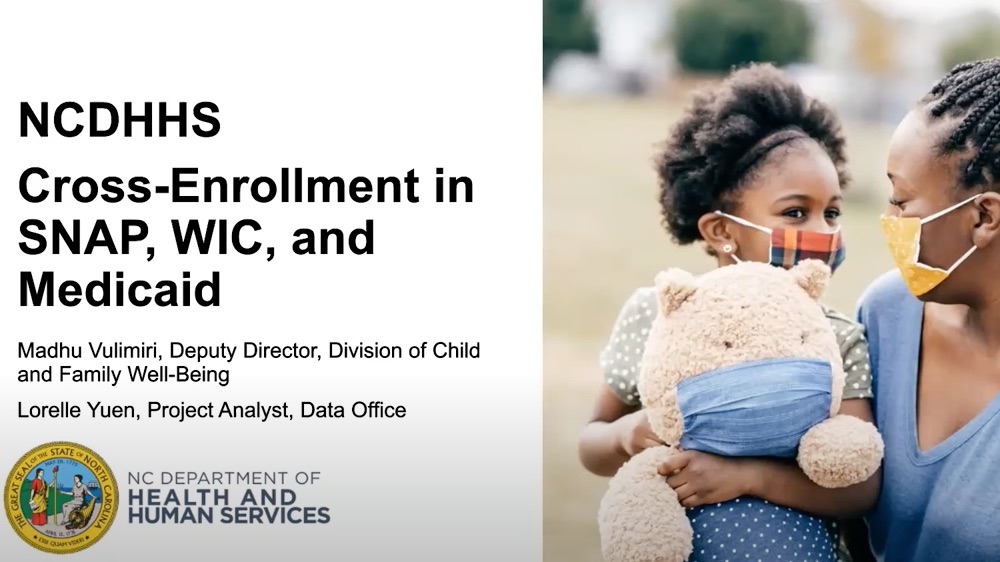
In this presentation, team members from the North Carolina Department of Health and Human Services provide an overview of the implementation process for cross enrollment with SNAP, WIC, and Medicaid in North Carolina.
North Carolina Department of Health and Human Services
The report highlights that many eligible low-income children are not receiving WIC benefits during the COVID-19 pandemic, with participation rates varying significantly by state and lagging behind programs like Medicaid and SNAP.
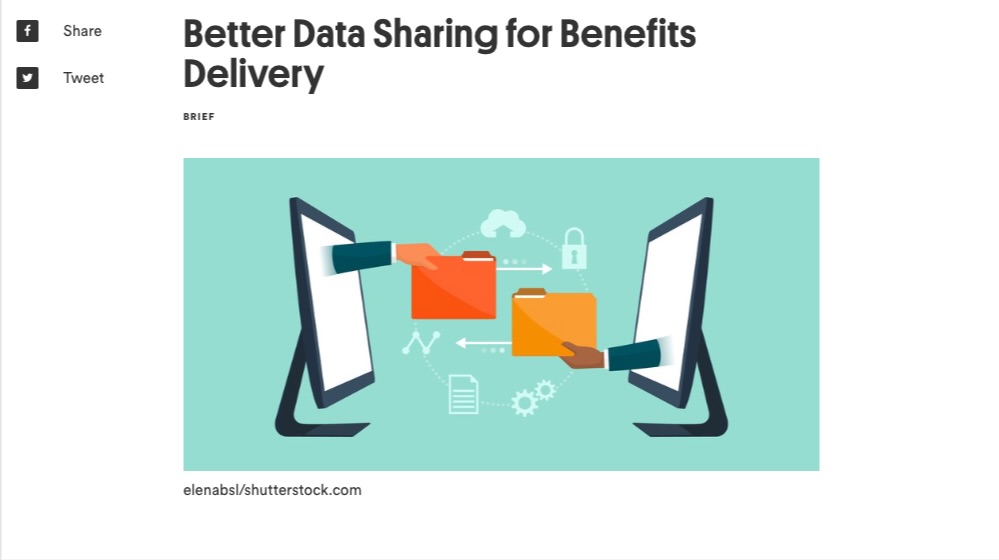
This policy brief outlines how improved data sharing between federal agencies, state and local governments, and institutions can leverage existing data from other benefits programs to streamline eligibility processes and benefits uptake for the Affordable Connectivity Program (ACP) and other programs.
This retrospective looks at the way the NYCOpportunity initiative worked across City government, partnering with agencies to initiate new approaches and enhance city practices. It also highlights key areas of focus for the NYC Opportunity team between 2014 and 2021.
Due to technology’s disruptive force in society and on the labor force, it is necessary to revisit the relationship between employees, governments, and citizens. This report asserts that the next president should immediately sign two Executive Orders (EOs) to address the current work crisis and the urgent economic emergency that has left Americans evicted, unable to pay bills, make rent, or put food on the table.
The Enterprise Single Sign-On (SSO) Playbook is a practical guide to help federal agencies implement or modernize an SSO service for federal employee access to government applications.
This policy brief outlines how extending postpartum Medicaid and CHIP coverage can improve maternal health outcomes, reduce disparities, and strengthen continuity of care during the critical first year after childbirth.
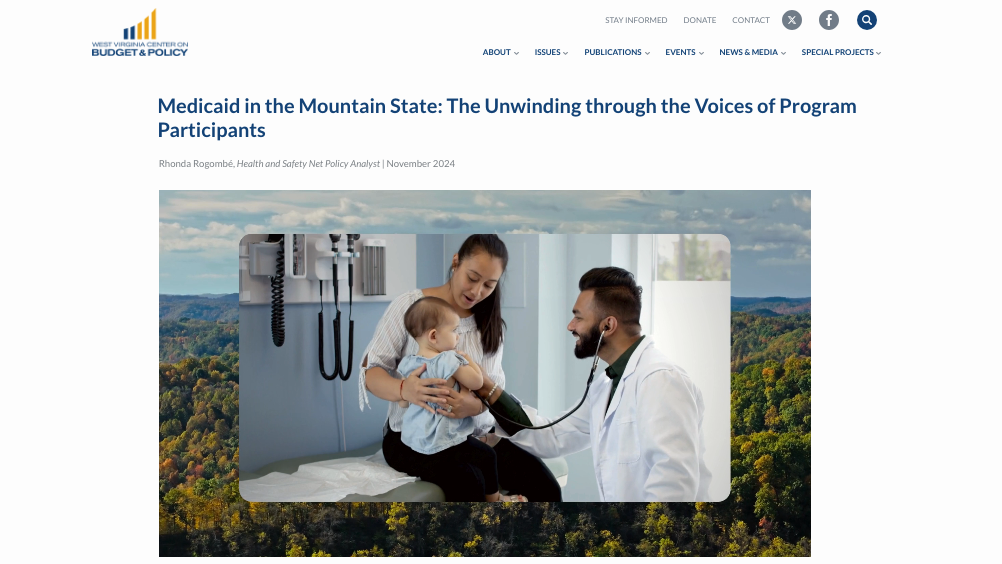
This resource examines the role of Medicaid in West Virginia and documents how the post-pandemic Medicaid “unwinding” process affected residents, highlighting participant experiences and the program’s importance for health and economic stability.
This research paper examines how stigma shapes participation in U.S. social safety net programs and influences public support for benefit design and access.
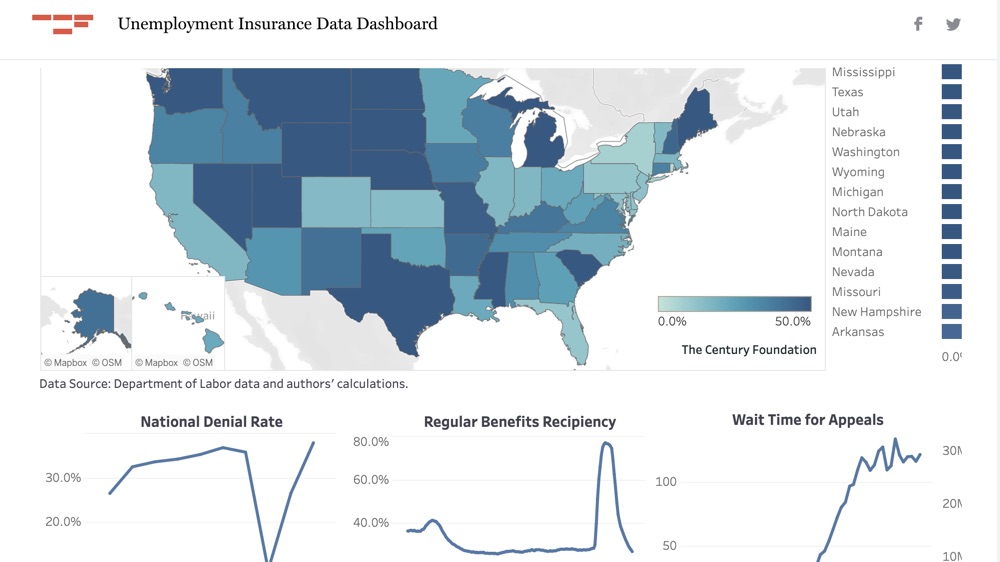
This dashboard highlights key performance indicators for UI systems nationwide, including how they perform during the current economic crisis, the impact of the CARES Act benefits expiring, the timeline for which benefits are delivered, demographics of benefits recipients, and total benefits payments.