This brief describes TDI’s efforts to transform federal TANF and employment data into an integrated resource for program management and evidence building.
This case study describes how Nava is working with the General Services Administration, Fearless, and the U.S. Postal Service to design, build, and deliver a new in-person identity verification service to nearly 20,000 USPS locations
Comprehensive and sustained improvement in benefits access and customer experience requires changes across policy, operations, technology, staffing, procurement, and more. This guide offers a collection of actions and best practices for states to apply.
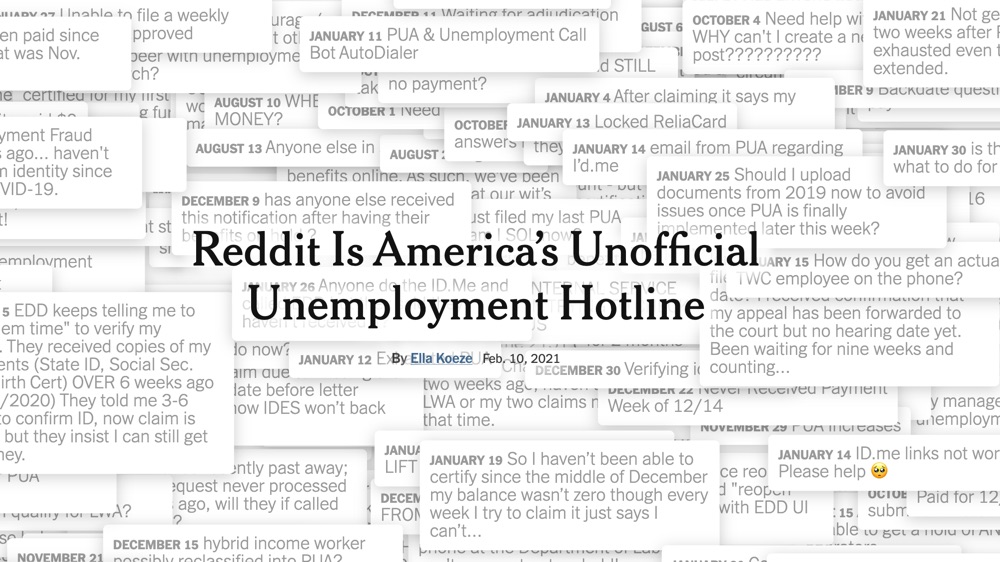
Reddit's unemployment forums have become vital support networks during the pandemic, offering advice, emotional support, and a sense of community to those navigating job loss and financial hardship.
A playbook by AdHoc for agencies ready to replace enterprise software patterns with proven techniques from the world of commercial software. These plays can better equip teams with the practices that create resilient, flexible, and customer-friendly digital services.
This paper analyzes the unique challenges of conducting participatory design in large-scale public projects, focusing on stakeholder management, fostering engagement, and integrating participatory methods into institutional transformation.
In this panel conversation, presenters at the Better Identity Coalition’s 2022 policy forum “Identity, Authentication, and the Road Ahead” discuss the challenges of identity verification and access in pandemic unemployment benefits.
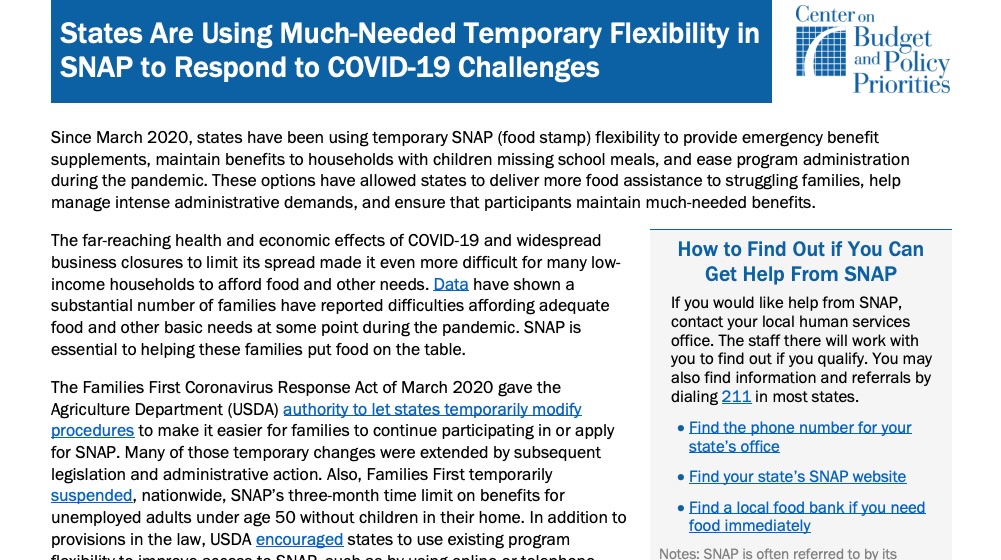
During the COVID-19 pandemic, states utilized temporary Supplemental Nutrition Assistance Program (SNAP) flexibilities to provide emergency benefits and maintain support for households with children missing school meals.