Eligible people struggle to maintain their case status for critical safety net services, often due to administrative hurdles and poor communication. Code for America piloted text message reminders to support Louisianans, which helped clients avoid costly churn. Text messages are an underrated, efficient solution for human service agencies to meet client expectations and improve case outcomes.
Study by the Director of the Office of Management and Budget assessing methods for determining whether agency policies and actions create or exacerbate barriers to full and equal participation by eligible individuals. This study followed the Executive Order on racial equity.
In a time of crisis, behavioral science offers insights into how to reduce the paperwork and other administrative burdens that prevent people from taking advantage of crucial support services.
County workers typically spend most of their time trying to get income information right during eligibility interviews. This article provides several recommendations for asking about income, accounting for cognitive biases, under-reporting, and complexities in reporting income.
This report examines how implementing Asset Verification Systems (AVS) can streamline Medicaid eligibility determinations for seniors and individuals with disabilities by automating the verification of applicants' financial assets.
This Urban Institute report explores the impact of benefit cliffs, plateaus, and trade-offs on families receiving public assistance, examining how changes in earnings affect access to essential benefits like SNAP, Medicaid, and housing subsidies.
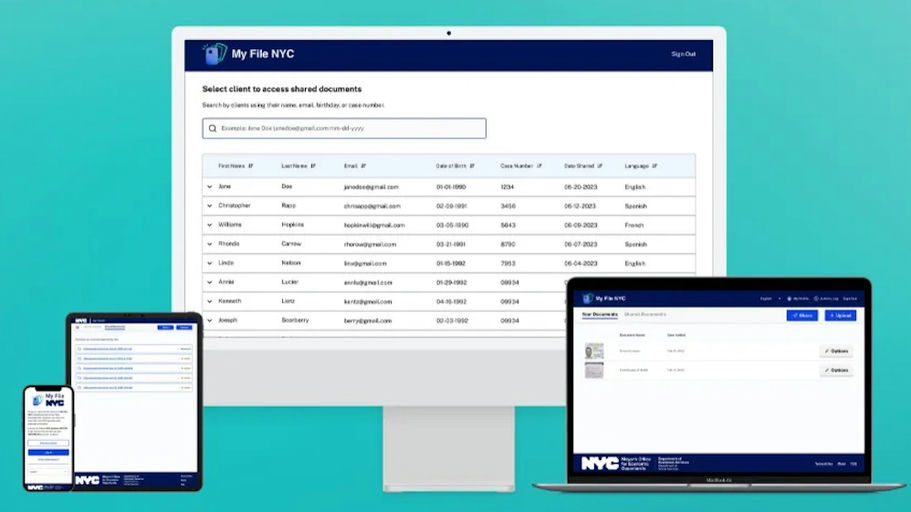
My File NYC is a document storage and sharing website that provides New York City residents a safe place to store and share vital documents when applying for City services.
This article emphasizes the need for local leaders to prioritize disability equity in advancing upward mobility, addressing systemic barriers that hinder disabled individuals' escape from poverty.
This panel discussion from the Academy's 2025 Policy Summit explores the intersection of artificial intelligence (AI) and public benefits, examining how technological advancements are influencing policy decisions and the delivery of social services.
This blog post describes the launch of NJ.gov/disabilities, an accessible, co-created online hub that centralizes information and services for individuals with disabilities.