This memorandum summarizes the fiscal and programmatic impacts of Public Law 119-21 (H.R. 1 – “One Big Beautiful Bill”) on the state, detailing major provisions related to SNAP, Medicaid, higher education, taxation, and other federally funded programs.
A detailed guide outlining how states can minimize coverage losses and administrative burden while implementing new Medicaid work requirements established under the 2025 federal reconciliation law.
An in-depth report that examines how states use automated eligibility algorithms for home and community-based services (HCBS) under Medicaid and assesses their implications for access and fairness.
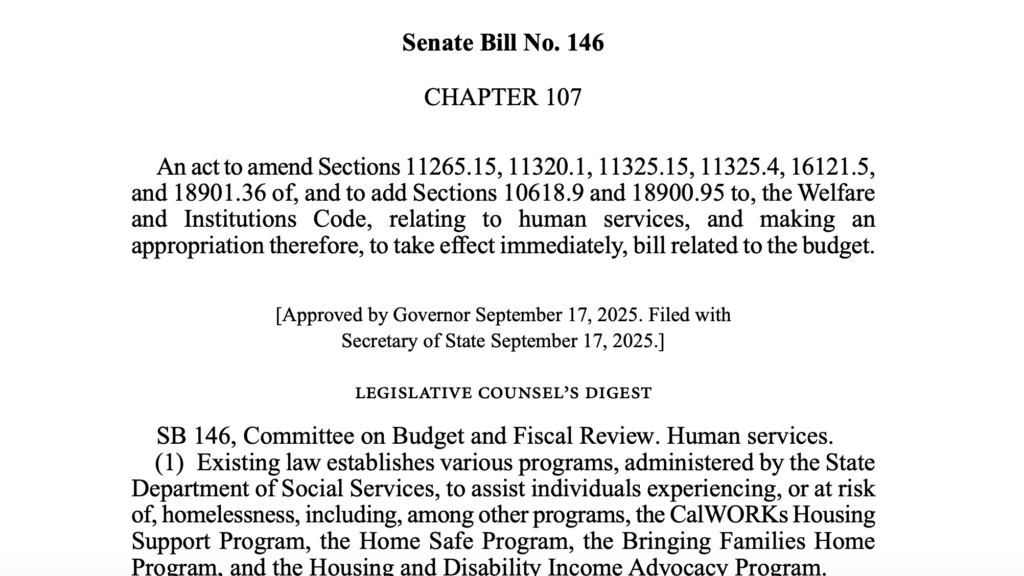
A comprehensive human services policy that strengthens due process, transparency, and administrative fairness across housing assistance, CalWORKs, and CalFresh programs while funding system changes to reduce payment errors and administrative burden.
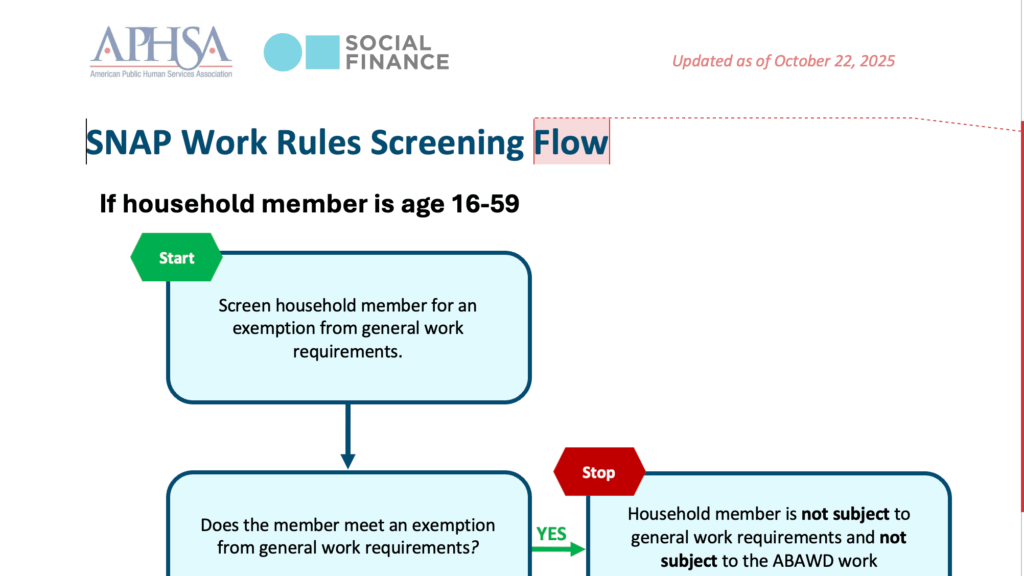
This document is a caseworker-facing flowchart for use in screening SNAP applicants and participants to determine if they are subject to work requirements.
American Public Human Services Association (APHSA)
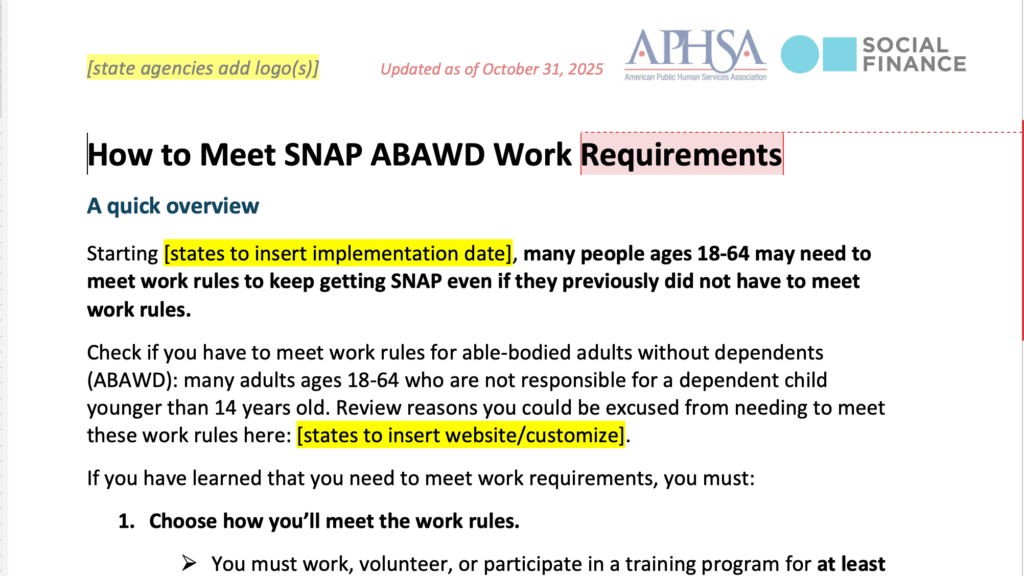
This document provides a template for SNAP agencies to use to communicate how they can meet able-bodied adults without dependents (ABAWD) work requirements.
American Public Human Services Association (APHSA)
A case study describing how Massachusetts is building long-term public-sector capacity to deliver people-centered digital services by strengthening in-house expertise, shared tools, and agency-embedded support.
A national survey of low-wage workers showing that administrative burdens in SNAP and Medicaid are common and strongly linked to food hardship, healthcare hardship, and chronic illness.
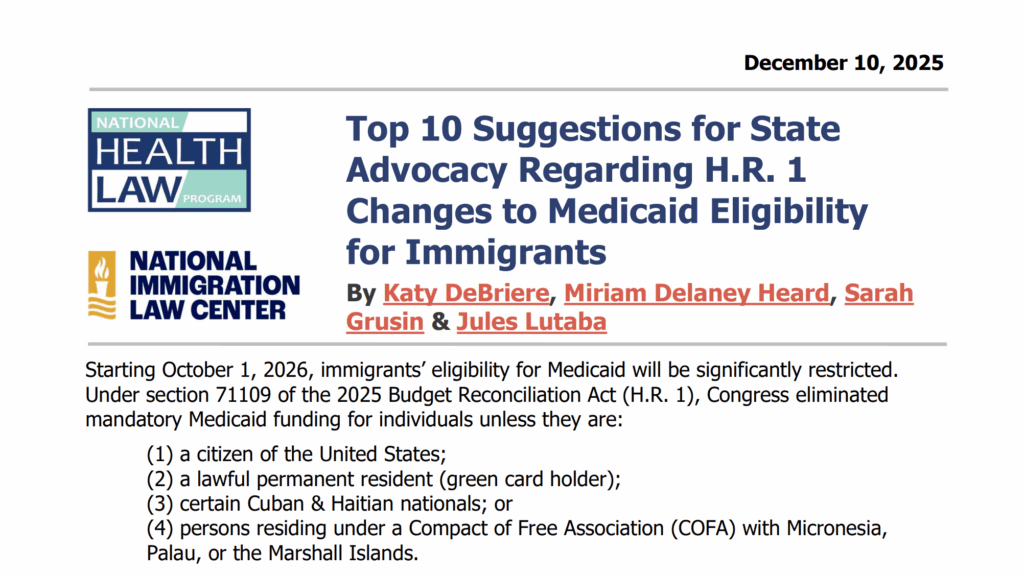
A policy guidance document outlining practical steps states can take to reduce harm to immigrant communities following major Medicaid eligibility restrictions enacted under federal budget reconciliation legislation.
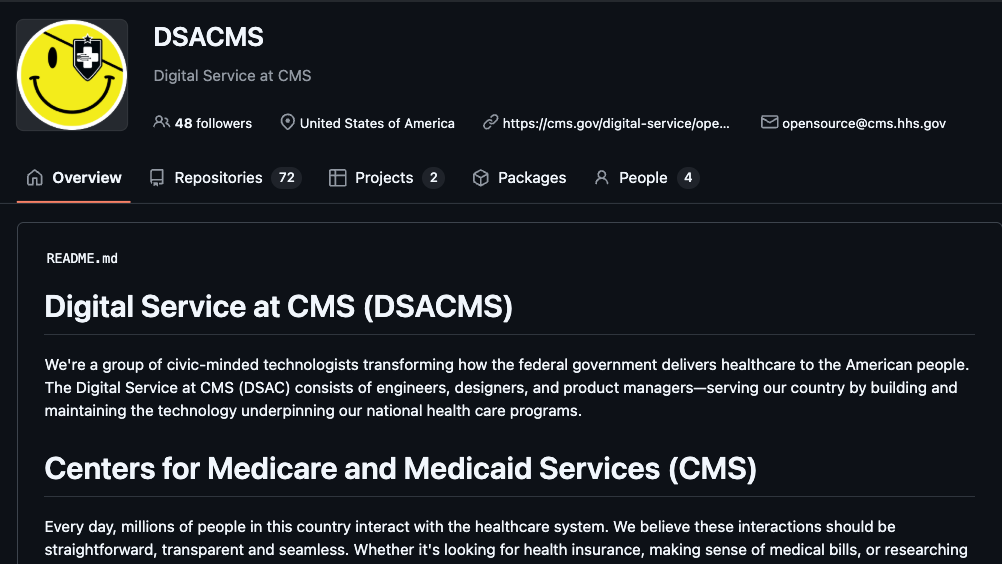
The GitHub repository for the open-source software and tools developed by the Digital Service at CMS to support modernizing healthcare systems and improving open-source project practices.