An interactive chatbot that helps SNAP participants and the public ask questions and receive guidance about SNAP work and community engagement requirements in conversational form.
This resource provides state agencies and their implementation partners with context on how and why to conduct a Digital Identity Risk Management (DIRM) process, as well as a new spreadsheet-based tool to guide agency teams through the process.
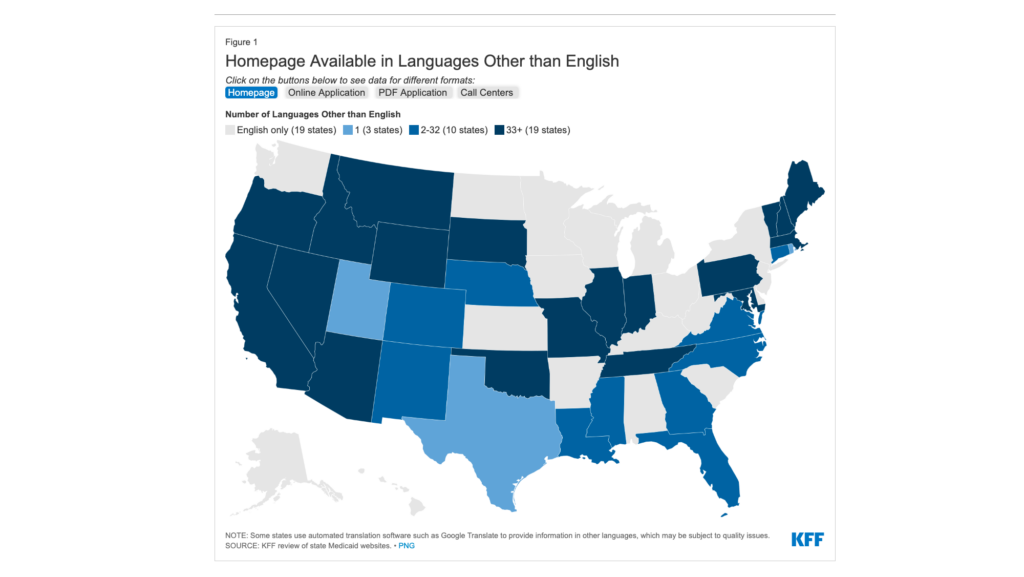
While most states provide basic digital accessibility, this review warns that persistent gaps in language services and disability accommodations create significant barriers for enrollees as pandemic-era Medicaid protections expire.
This economic analysis article examines how state-level policy variations have created increasingly wide disparities in Unemployment Insurance (UI) benefit levels and access.
An impact report summarizing how a small public-sector innovation team tested, built, and piloted shared digital services to reduce administrative burden in public benefits delivery.
DGN Spotlights highlight innovative digital initiatives transforming how the government connects with the public. This story explores Washington State’s Customer Portal, a platform representing a major step toward unifying digital service access across state agencies.
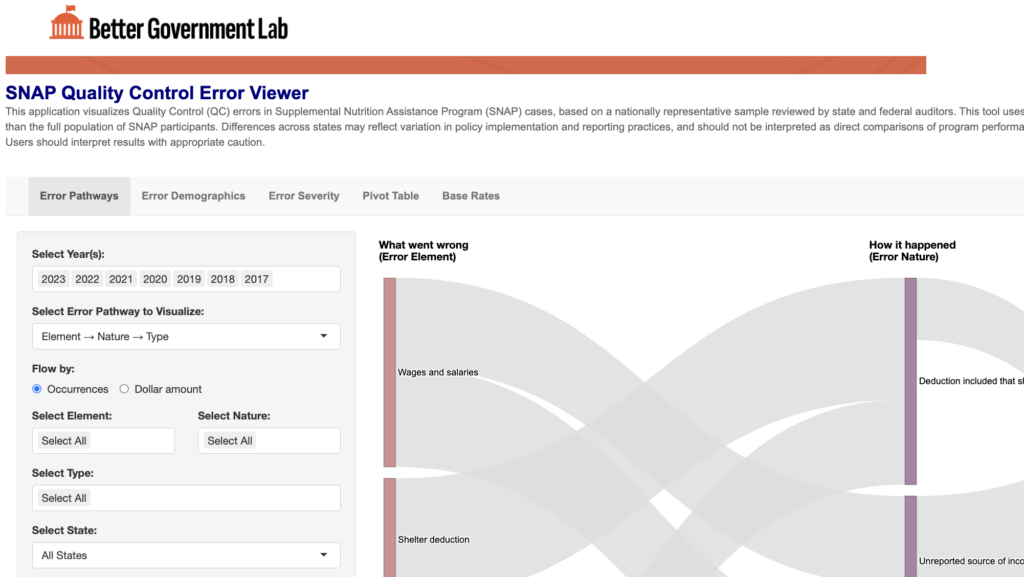
An interactive dashboard that allows users to explore Supplemental Nutrition Assistance Program (SNAP) Quality Control data to better understand payment errors, eligibility issues, and administrative performance across states.
This discussion paper advocates for states to use the implementation of OBBBA (One Big Beautiful Bill Act) as a catalyst to build integrated, cross-agency data systems.
This issue brief provides a comprehensive framework for state officials to monitor and evaluate the far-reaching impacts of the H.R.1 budget reconciliation bill on the Medicaid program.
This article provides an overview of the Medicaid Payment Error Rate Measurement (PERM) program and examines how the 2025 budget reconciliation law introduces new federal funding reductions for states that exceed specific eligibility error thresholds.
A resource outlining state approaches to reducing payment error rates (PER) in SNAP and implementing new federal work requirements and other changes under H.R. 1.
American Public Human Services Association (APHSA)