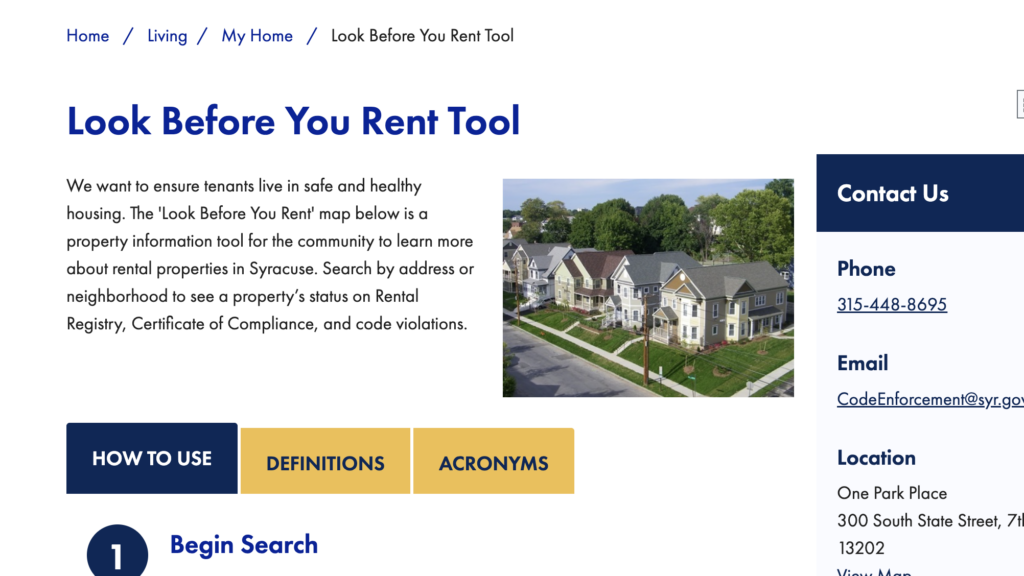
This blog describes the purpose and functionality of the Look Before You Rent online tool, which enables users to search rental property addresses and view any recorded housing code violations, inspection outcomes, or complaints.
DGN Spotlights are short-form project profiles that feature exciting work happening across our network of digital government practitioners. Spotlights celebrate our members’ stories, lift up actionable takeaways for other practitioners, and put the resources + examples we host in the Digital Government Hub in context.
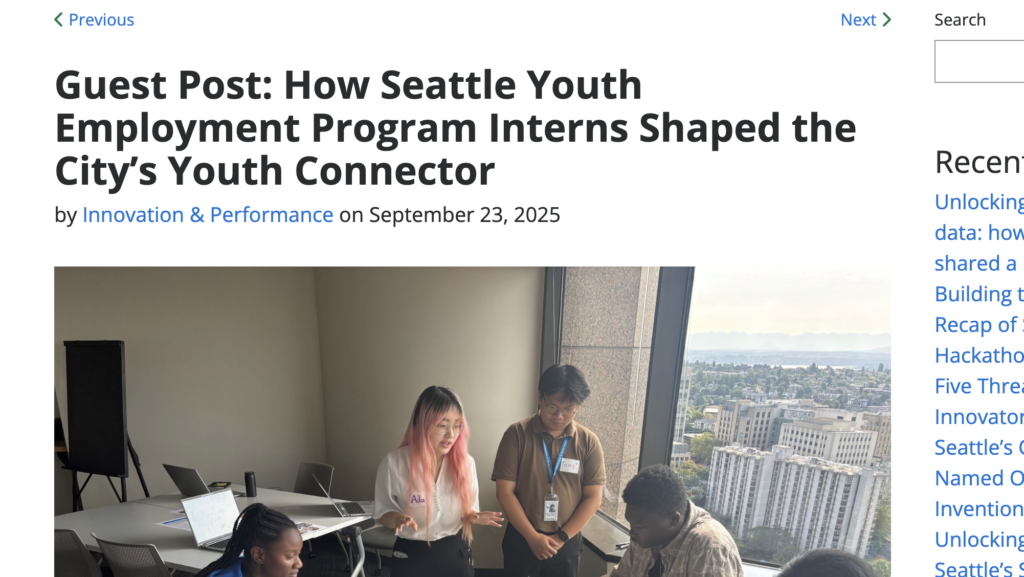
A blog post highlighting how youth employment interns contributed to shaping and co-designing the Youth Connector project by leading research, feedback sessions, and design testing to ensure the platform reflects youth needs.
DGN Spotlights highlight innovative digital initiatives transforming how the government connects with the public. This story explores Washington State’s Customer Portal, a platform representing a major step toward unifying digital service access across state agencies.
DGN Spotlights are short-form project profiles that feature exciting work happening across our network of digital government practitioners. Spotlights celebrate our members’ stories, lift up actionable takeaways for other practitioners, and put the resources + examples we host in the Digital Government Hub in context.
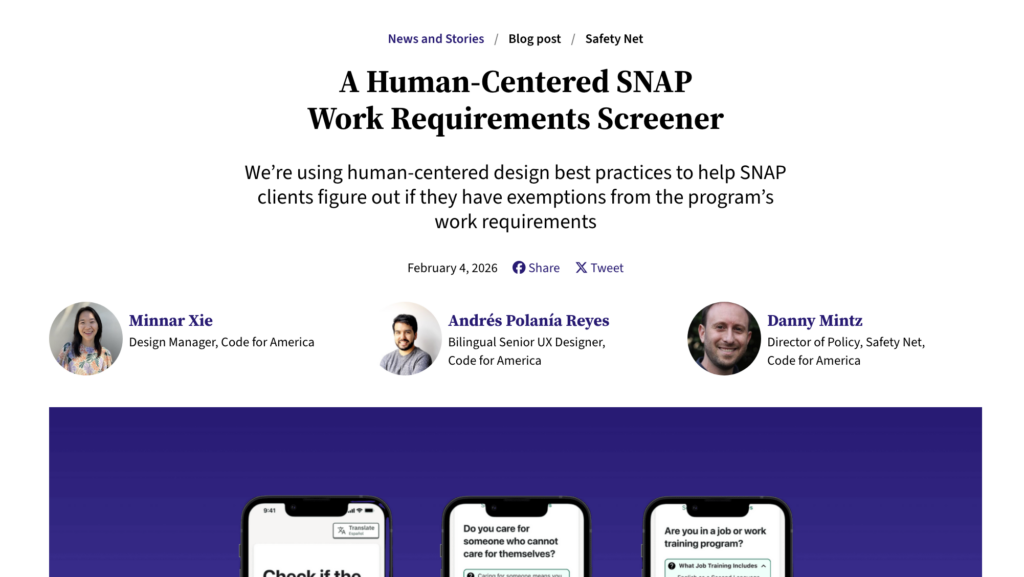
This blog post details the development of a human-centered screening tool designed to help SNAP clients identify and report exemptions from work requirements.
This Urban Institute report examines how public investments in children's health, education, and welfare yield significant short- and long-term benefits for both individuals and society.
A profile on FormFest speakers Paul Pistorius and Julian Rosner, featuring stories about their motivations for working on public sector form innovation.
This publication describes the research process and protocol used in the Digital Benefits Networks research project, "Digital Account Creation and Identity Proofing in Public Benefits Applications."
In this webinar, the Center on Budget and Policy Priorities and the Digital Benefits Network explored key terms related to digital identity, and provided ecosystem-level context on how authentication and identity proofing may show up in the online benefits experience and impact clients.
Modular contracting doesn’t just mean that you break one procurement into several pieces. This article shows you how to take a modular approach with a single contract divided up into natural break points.