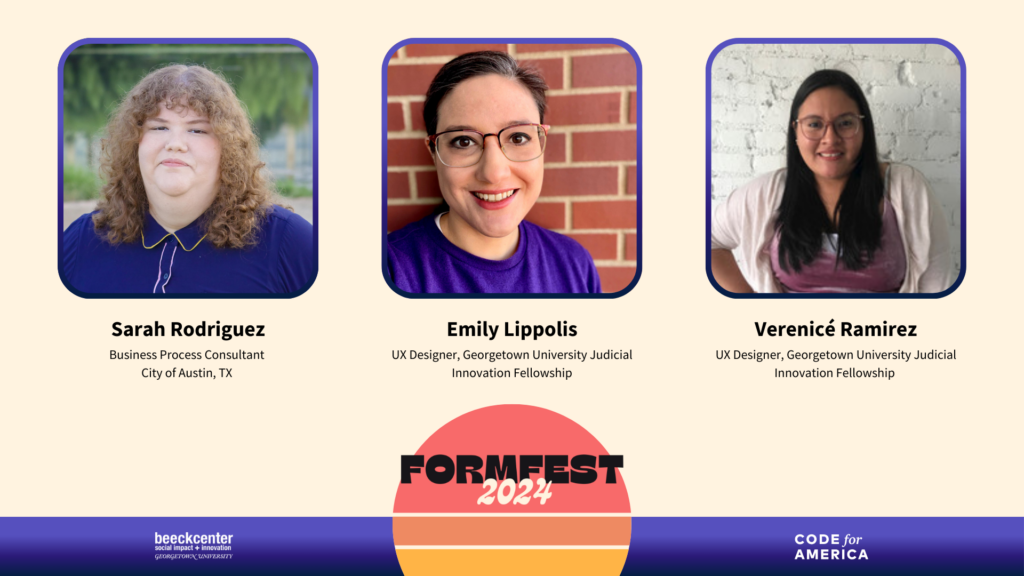
A profile on FormFest speakers Sarah Rodriguez, Emily Lippolis, and Verenice Ramirez, featuring stories about their motivations for working on public sector form innovation.
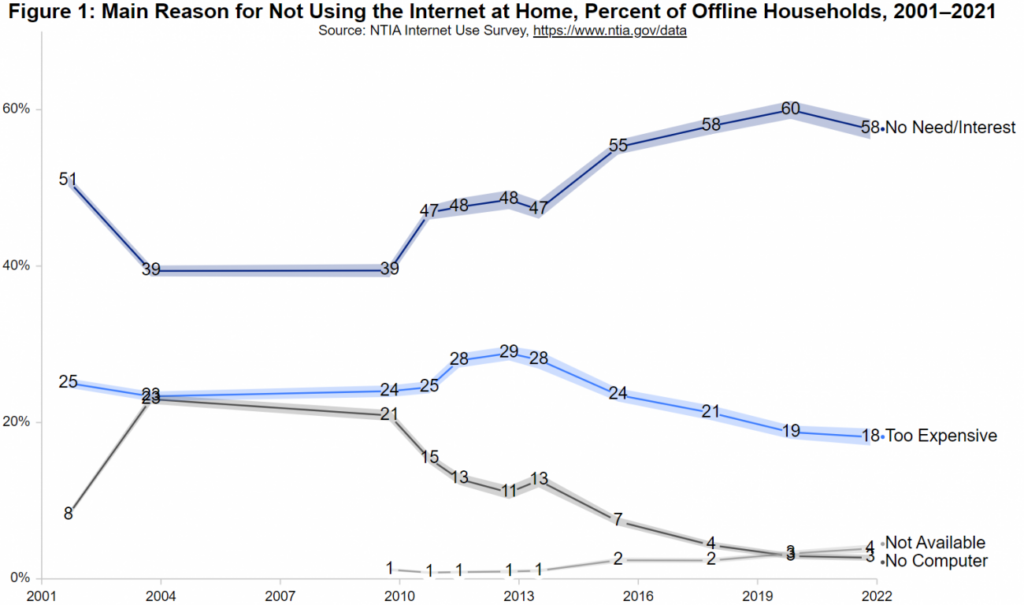
About one in five U.S. households lack home Internet access because many say they don’t need or want it and others—especially lower-income families—can’t afford service or the devices and skills to use it, highlighting persistent digital divide barriers.
National Telecommunications and Information Administration
This analysis examines the surge in U.S. state-level AI legislation in 2023, highlighting enacted laws, proposed bills, and emerging regulatory trends.
Code for America’s Integrated Benefits Initiative has been working in partnership with the State of Colorado to demonstrate how user-centered approaches lead to measurably better delivery of safety net programs. This article describes their work with the state of Colorado in simplifying how clients report common life changes that can affect their eligibility.
The first panel at the Beeck Center’s Accessibility Jam event was captured in a graphic recording to enable more people to access the information from the event.
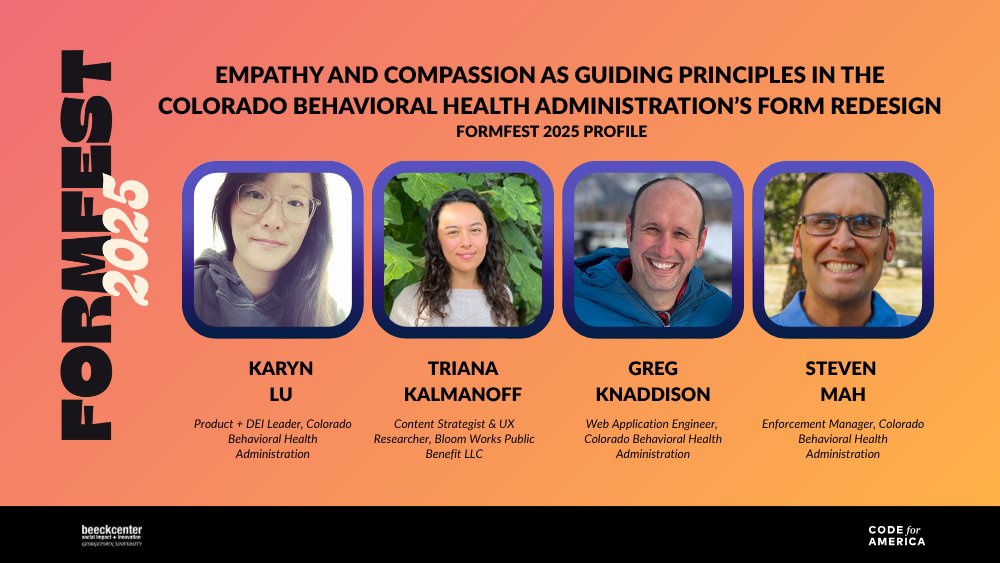
This FormFest profile highlights how the Colorado Behavioral Health Administration redesigned its complaint submission form using empathy, human-centered design, and trauma-informed research methods to make the process more accessible, compassionate, and secure for all users.
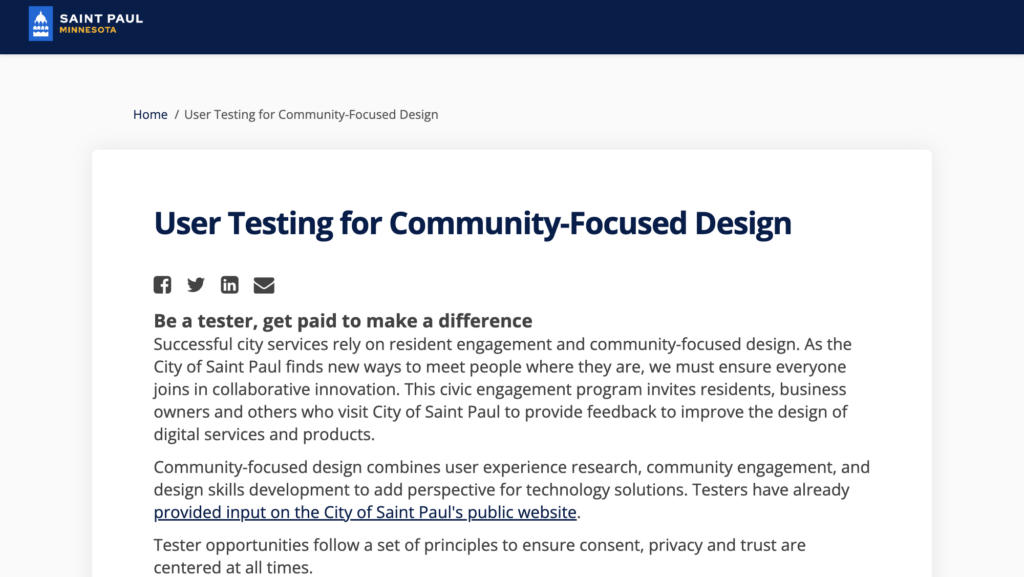
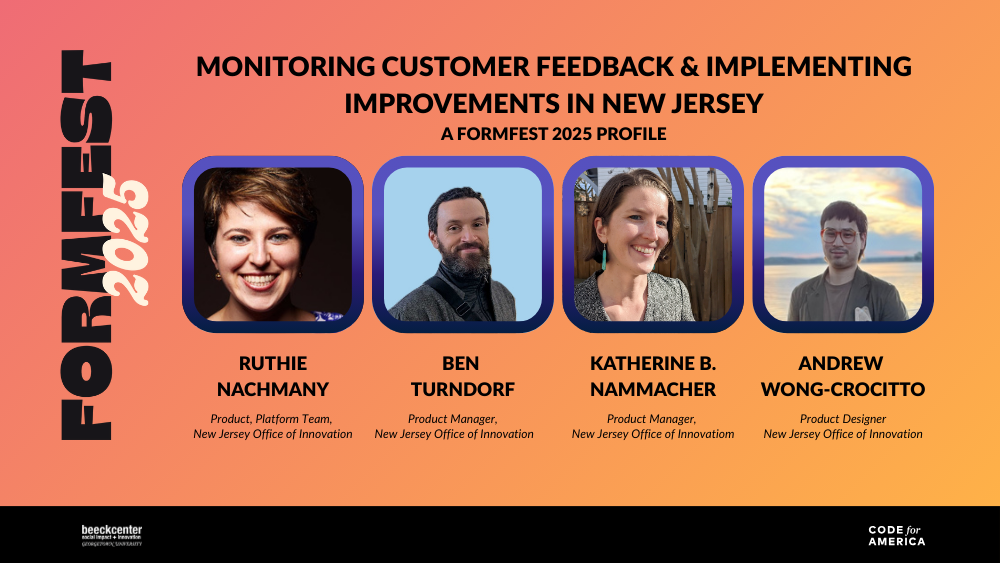
This FormFest profile spotlights the New Jersey State Office of Innovation’s Feedback Widget team, which collects resident input across state websites to improve services and empower agencies to act on real-time feedback.
An event recap from one of FormFest 2025’s breakout sessions featuring speakers from Code for America and Arizona’s Department of Economic Security (DES).
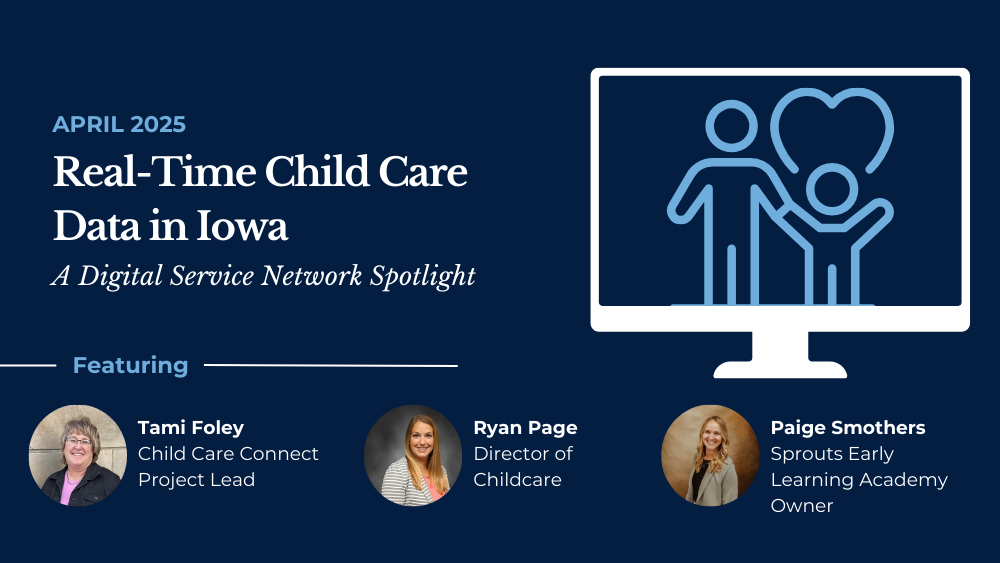
DSN Spotlights are short-form project profiles that feature exciting work happening across our network of digital government practitioners. Spotlights celebrate our members’ stories, lift up actionable takeaways for other practitioners, and put the resources + examples we host in the Digital Government Hub in context.