This page describes how the GSA’s 10x team supported digital trust and security across federal services by building shared tools, automating compliance, and exploring privacy-preserving techniques.
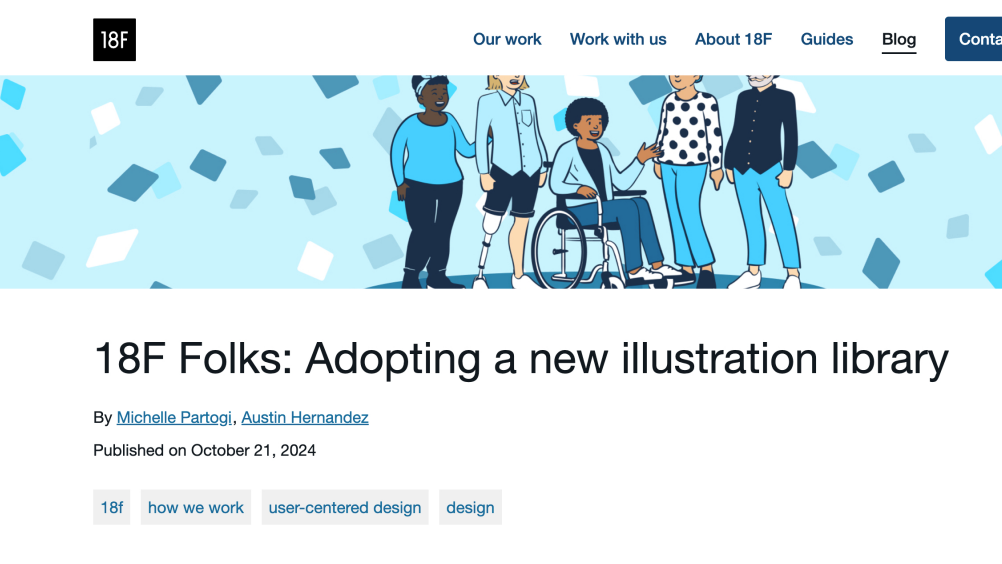
This blog describes how 18F adopted a new illustration library (“18F Folks”) based on Open Peeps, to better represent diversity, context, and human experiences in their visual communications.
This blog recaps a conversation with Richard Pope, author of Platformland, on how public sector digital services must evolve to reduce administrative burden, enable easier service creation, and foster transparency and democratic participation.
A comprehensive analysis of how government digital service teams document and communicate their impact across federal, state, and local levels. This report aims to identify key reporting trends and practices to help teams develop impact narratives that demonstrate their value to stakeholders.
This article highlights how state unemployment insurance (UI) agencies are leveraging data to modernize systems and enhance access for unemployed workers.
Key functionalities and design elements recommended for creating effective online WIC applications, focusing on usability, accessibility, and compliance to improve participant experience and streamline agency operations.
The “Start Small” approach encourages agencies to begin with targeted, manageable improvements in their WIC application process before expanding changes more broadly, fostering easier implementation and measurable early successes.
Practitioner Picks is a new quarterly series designed to add fresh resources to the Digital Government Hub’s library, helping people improve government digital service delivery. Each issue spotlights resources chosen by practitioners in a specific service delivery area along with their insights on why these picks are valuable additions to the Hub. In this edition, our contributors round up resources to help bring housing services into the digital age.
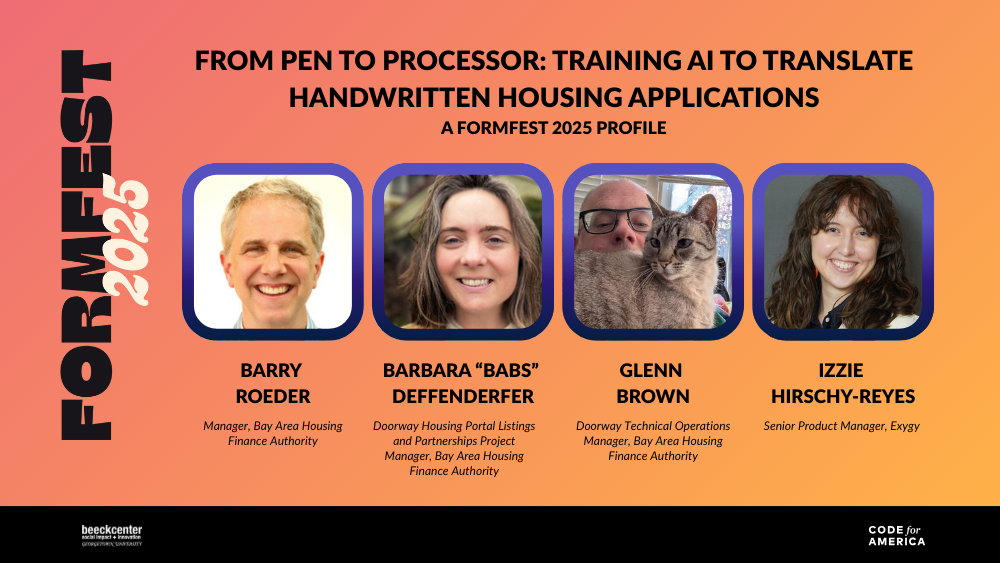
A profile on FormFest spearker’s Barry Roeder, Barabara Deffenderfer, Glenn Brown, and Izzie Hirschy-Reyes highlighting how the Bay Area Housing Finance Authority and its partners use AI and human-centered design to streamline paper housing applications.
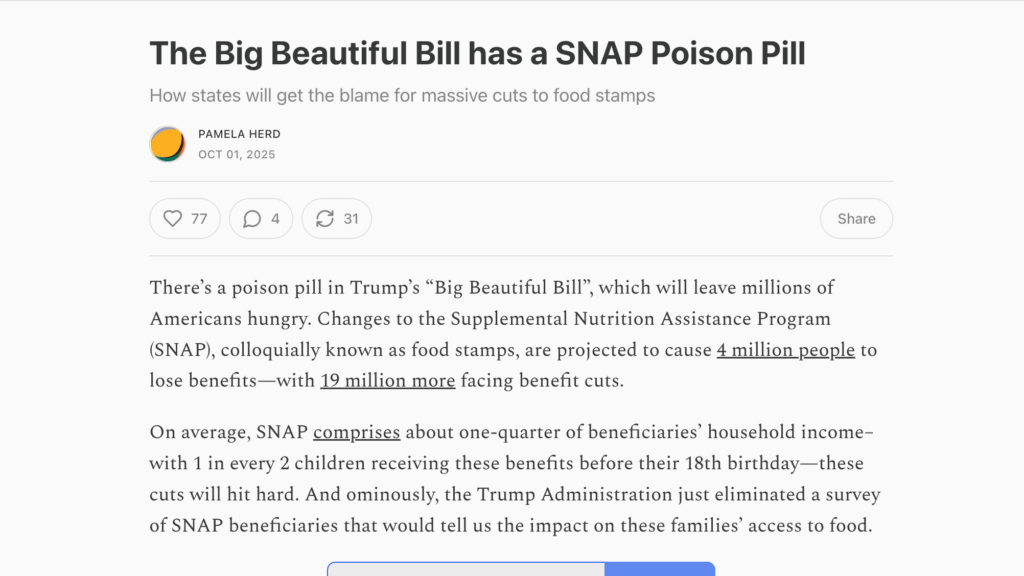
This blog discusses how the “Big Beautiful Bill” (H.R. 1) contains provisions that undermine SNAP and warns that states will be burdened by its fiscal and administrative impact.