An online course that introduces core concepts of web accessibility, including why it matters, key standards, and how to make digital content accessible to a wider range of people and situations.
This presentation focuses on data-driven and analytic strategies for identifying and verifying medical frailty exemptions within Medicaid work requirements.
Nava partnered with California's Employment Development Department (EDD) to rapidly develop two cloud-based digital services, enhancing unemployment benefit access during the COVID-19 pandemic.
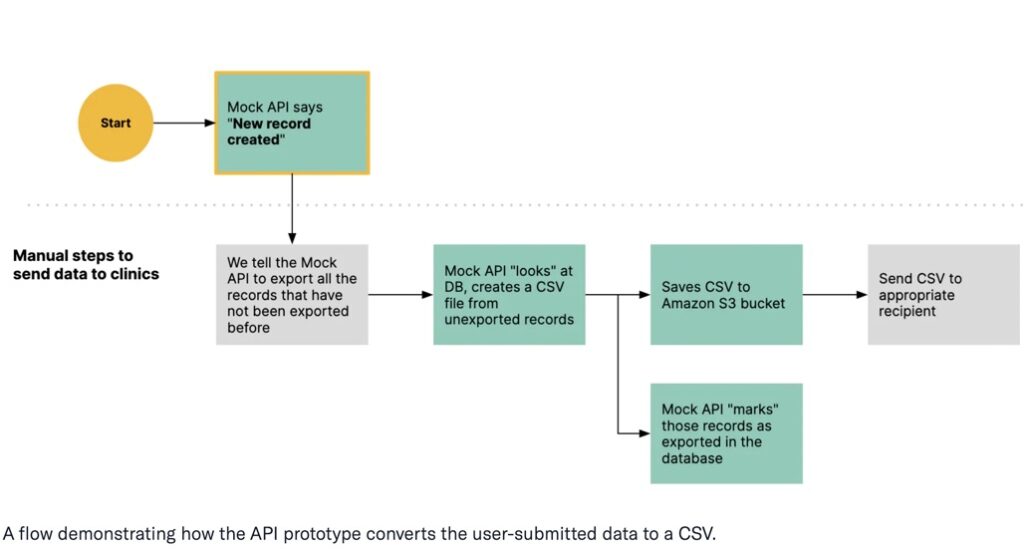
Nava PBC developed a prototype API and digital screener in Montana to streamline eligibility and enhance program access, illustrating how API standards could improve interoperability and modernize WIC systems nationwide.
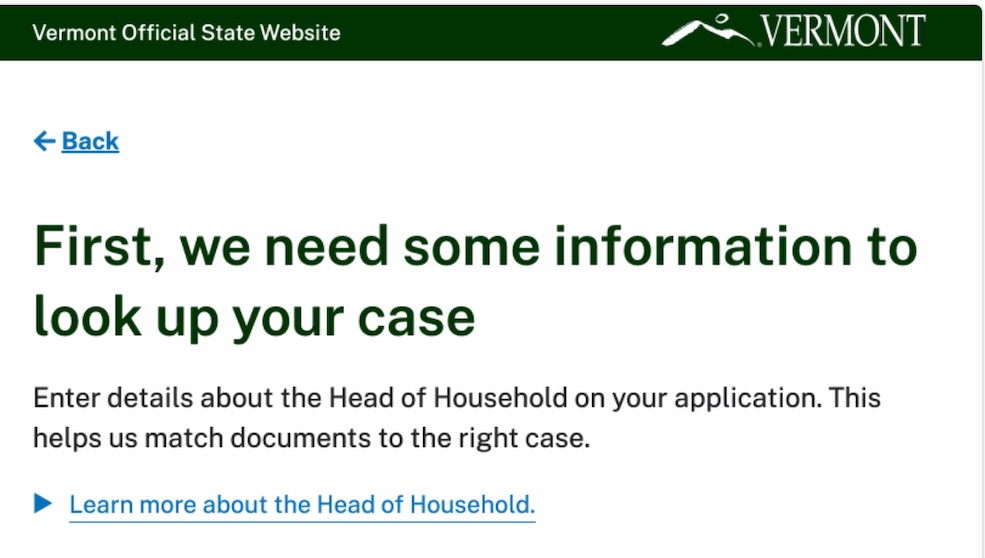
Nava built flexible and reusable software and design components to make it easier for Vermonters to access their benefits. These components support Vermont’s long-term vision of integrating eligibility and enrollment processes for all of the state’s healthcare and financial benefit programs.
The Modern Government Leaders program brought together federal executive innovators to share best practices and drive service delivery and process modernization.
This session from FormFest 2024 focused on improving service delivery by hearing about work in multiple cities to rapidly digitize service delivery and work by the Department of Veteran Affairs around implementing service design principles in form revisions.
This annotated bibliography compiles key resources on data linkage and integration for research and statistical purposes, focusing on best practices, governance, and technical considerations.
This brief outlines research recommendations to strengthen child welfare services for LGBT youth and adults, focusing on experiences of maltreatment, foster care, and adoption.
U.S. Department of Health and Human Services (HHS)
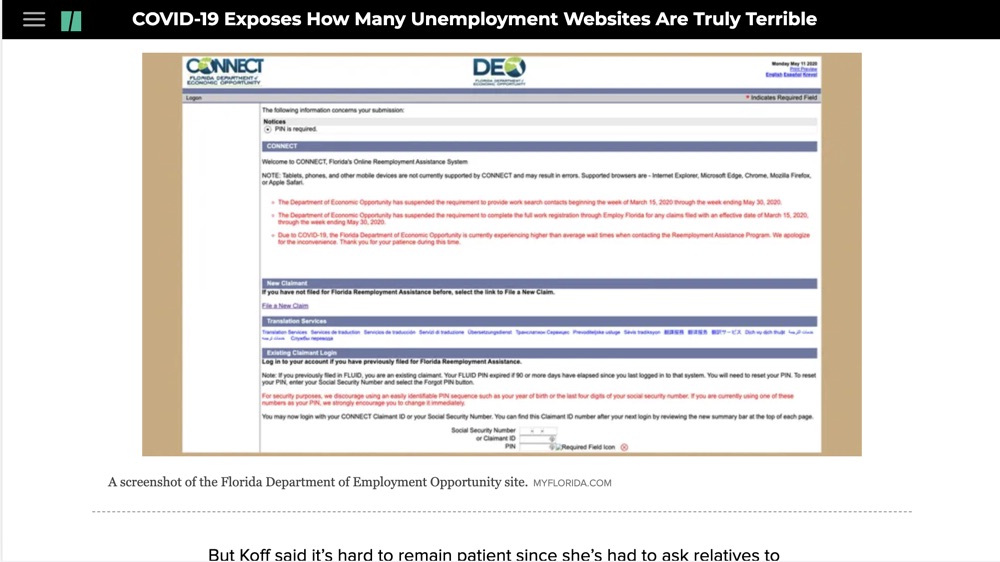
This HuffPost article investigates the widespread failures of state unemployment websites during the COVID-19 pandemic, highlighting outdated technology, accessibility issues, and the human impact of these systemic breakdowns.
LA’MESSAGE is a one-way text messaging service developed by Code for America in partnership with Louisiana to broadcast reminders and guidance to residents enrolled in and eligible for SNAP, Medicaid, TANF, and WIC at key points throughout the benefits enrollment and renewal process.