An overview of current technology systems used by WIC agencies nationwide, highlighting trends, challenges, and opportunities for modernization to improve program efficiency and participant experience.
The CUTGroup book explains how civic user testing (paying residents to test civic apps) can allow for more community engagement in civic tech. This book covers how to do UX testing, community engagement, and digital skills in one civic tech system.
It is necessary give the public servants who manage safety-net systems the technology tools and incentives to track critical outcomes and meet people where they are.
A practical toolkit that helps human services agencies coordinate programs and benefits to better support whole families through aligned policies, processes, and service delivery.
In 2022, Nava formed its first-ever PAC as part of their initiative to help Montana’s Special Supplemental Nutrition Program for Women, Infants, and Children (WIC) program design a new recertification portal. Leveraging what Nava learned from this experience, this toolkit outlines the necessary steps to form a PAC, including planning a structure for the council, recruiting participants, and other logistics.
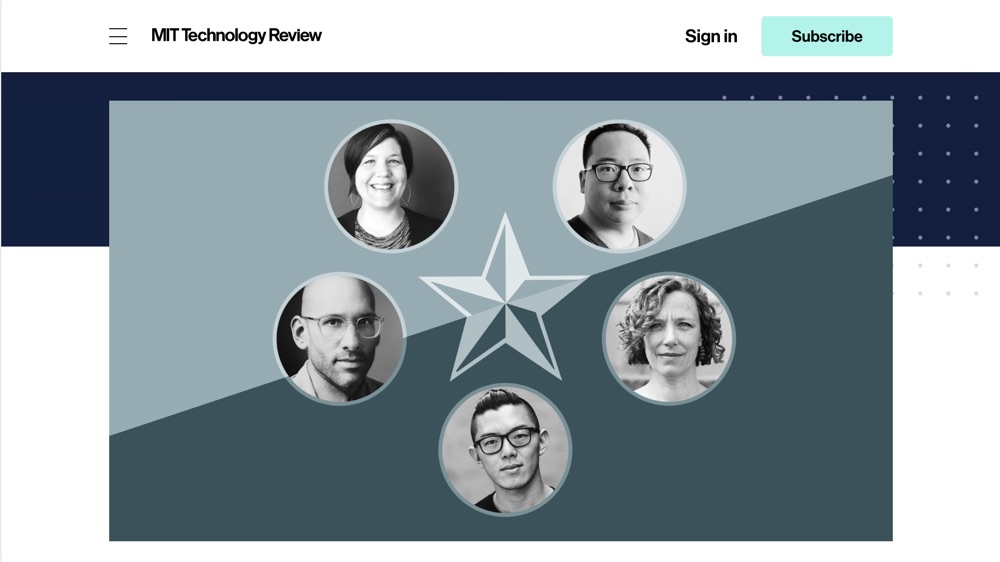
The pandemic has shown how difficult it can be for the US to succeed with major technology projects. Various leading design thinkers discuss strategies for building more efficient and effective government technology.
This case study describes Nava's with the state of Montana’s Special Supplemental Nutrition Program for Women, Infants, and Children (WIC) agency to build an eligibility screener tool.
Defining a product in government digital services is crucial, as it serves as the means through which a service is delivered to the public, and understanding its attributes ensures effective and continuous improvement.
This booklet is designed to help procurement officers and other stakeholders ensure continuity of service, enable seamless future technology upgrades, and plan for contingencies. You can use it to evaluate a prospective vendor contract or bid, or to document how a project went.
Nava partnered with California's Employment Development Department (EDD) to rapidly develop two cloud-based digital services, enhancing unemployment benefit access during the COVID-19 pandemic.