This article from Civil Eats explores how expanding online purchasing options for SNAP recipients can improve food security, especially in the wake of the COVID-19 pandemic.
This reporting explores how algorithms used to screen prospective tenants, including those waiting for public housing, can block renters from housing based on faulty information.
This article reviews two examples of how Nava has used open-source technologies to bring human-centered testing practices to government services software.
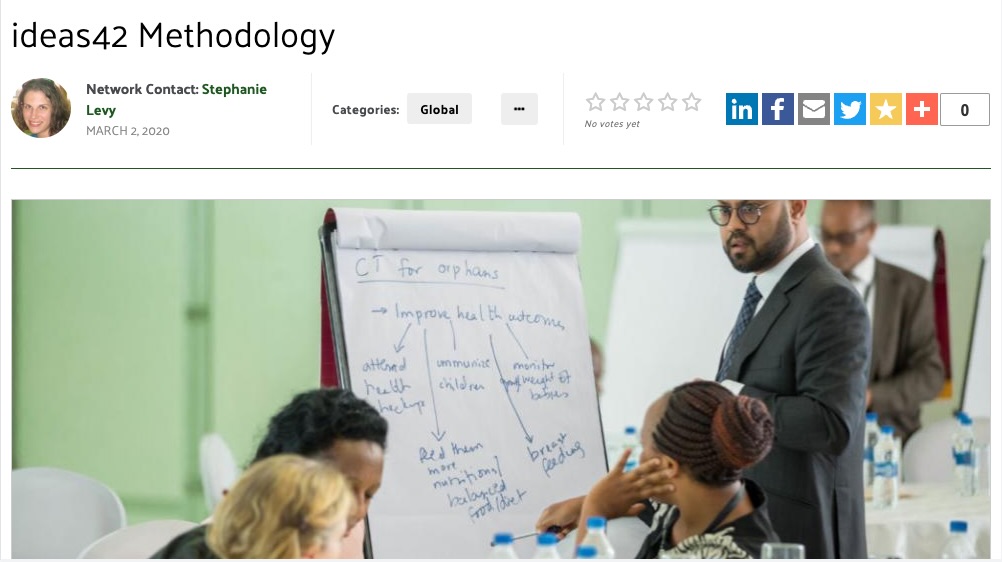
This article introduces ideas42, a non-profit behavioral research and design firm applying insights from behavioral sciences, including behavioral economics (BE), social psychology, and other disciplines, for social good. Their behavioral design methodology is human-centered, but it incorporates scientific insights and iterative testing, applying observations about how people choose and act from experimental academic research to inform qualitative research.
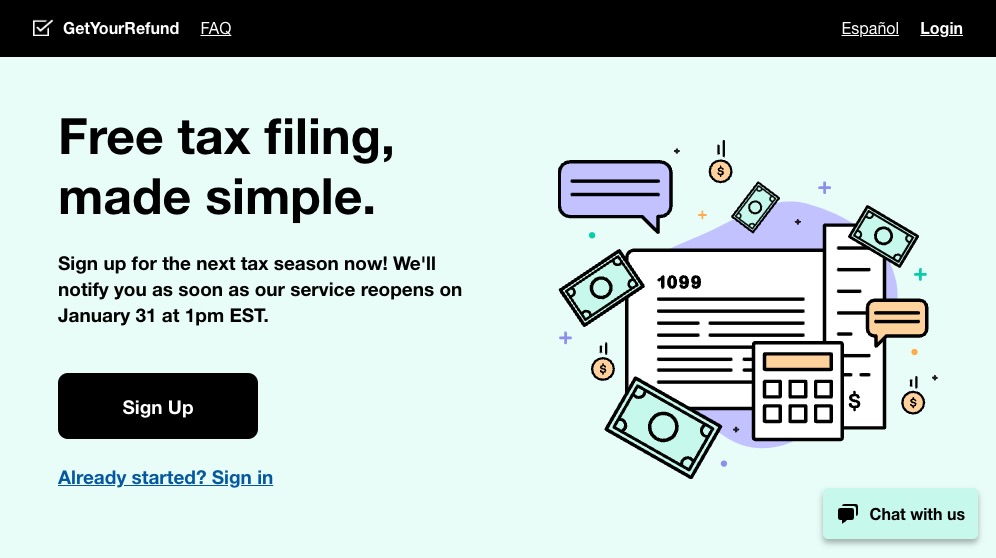
GetYourRefund.org is an online portal by Code for America that helps low-income individuals claim thousands of dollars in tax credits, even after the traditional tax deadline has passed.
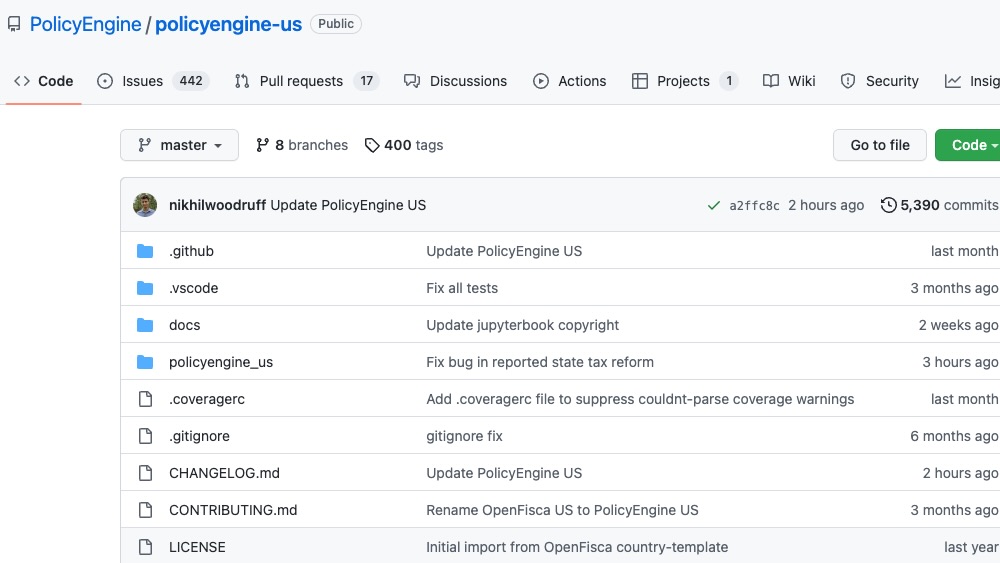
PolicyEngine US is a Python-based microsimulation model of the US tax and benefit system. It models federal individual income taxes (including credits), major benefit programs, and state income taxes (currently in six states). The PolicyEngine US package can be used as a Python package, via the PolicyEngine API, or via the policyengine.org web app.
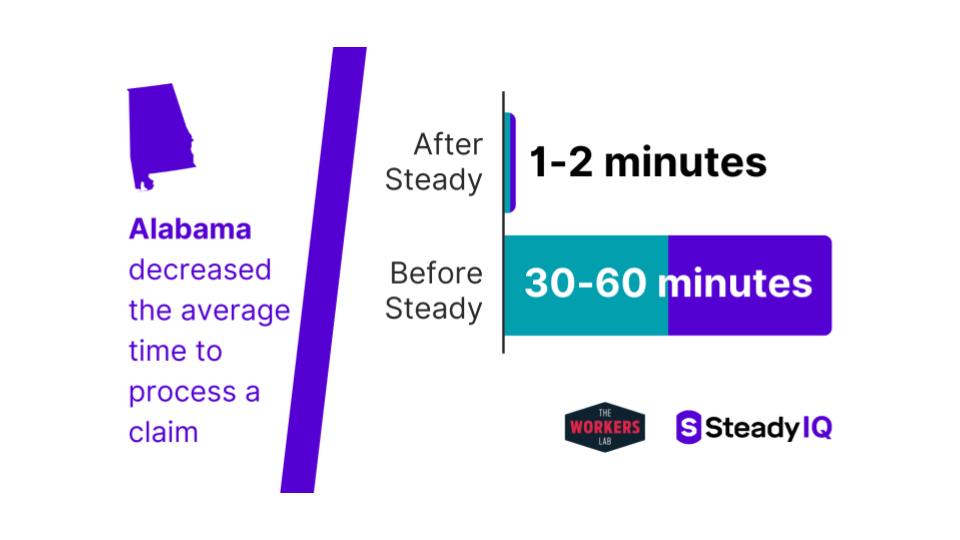
In response to COVID-19, the Workers Lab and Steady developed the "Income Passport" to streamline gig workers' unemployment benefit applications by pulling income data directly from gig platforms and financial accounts. This tool reduced manual verification time, helped prevent fraud, and improved workers' access to full benefits, with successful tests in Alabama and Louisiana demonstrating significant time savings and improved service delivery.
This brief outlines research recommendations to better understand and improve income support and employment services for low-income and at-risk LGBT populations.
U.S. Department of Health and Human Services (HHS)
This case study examines how Michigan’s Department of Health and Human Services uses data practices to advance racial equity in child welfare through identity-informed data collection and anonymous decision-making.
U.S. Department of Health and Human Services (HHS)