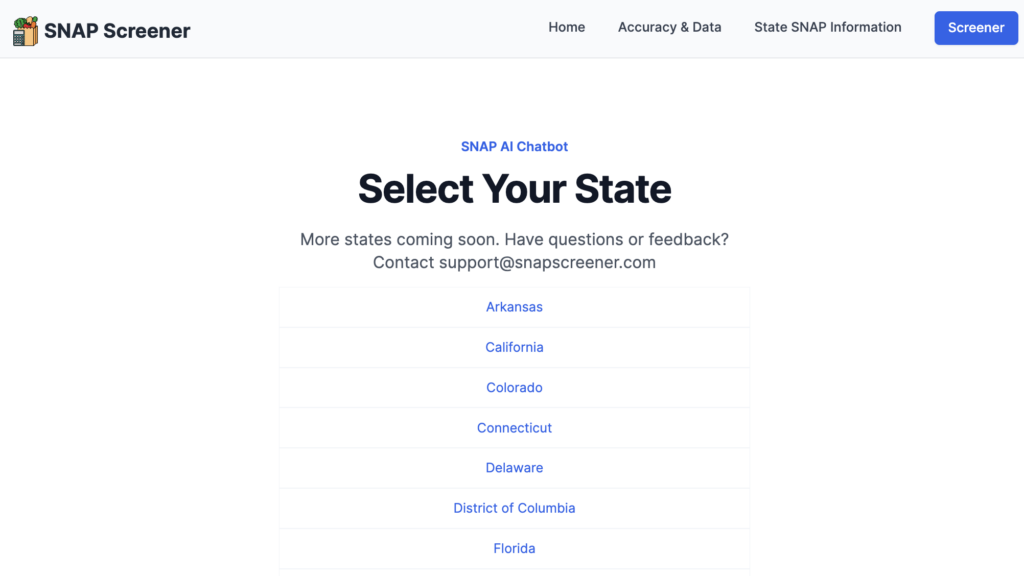
An interactive chatbot that helps SNAP participants and the public ask questions and receive guidance about SNAP work and community engagement requirements in conversational form.
In 2018 the Better Identity Coalition released a Policy Blueprint outlining five key initiatives that to solve the majority of America’s challenges in the digital identity space. This report from 2024 grades progress on each of the original Blueprint’s five key initiatives – as well as the 19 items that were contained in the “action plan” to support those initiatives.
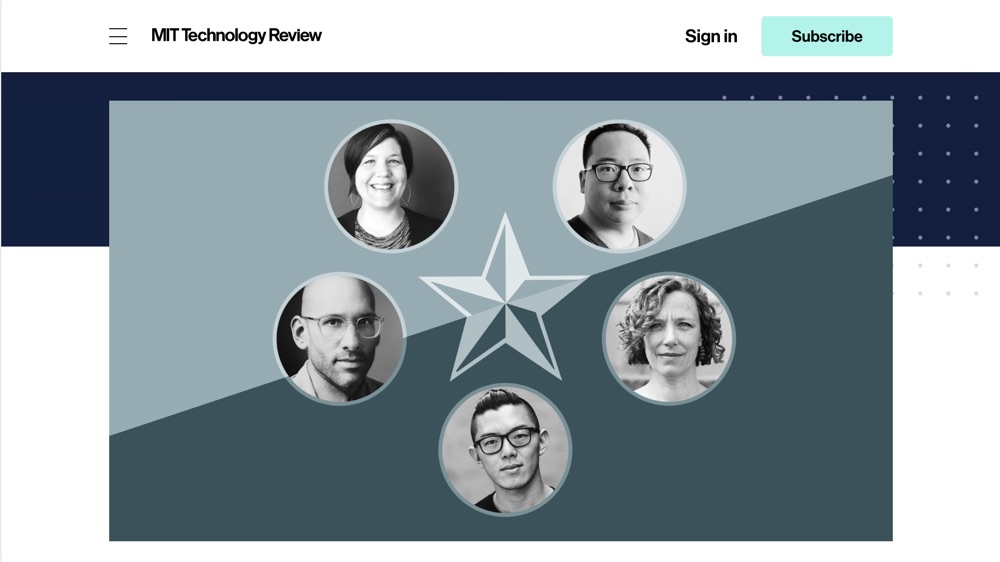
The pandemic has shown how difficult it can be for the US to succeed with major technology projects. Various leading design thinkers discuss strategies for building more efficient and effective government technology.
This field guide is written for digital services and technology leaders working in government agencies at the federal, state, or local level. It’s meant to highlight the power of product thinking to government digital services. With this guide, agencies can start moving from a project management mindset to a product-based approach to delivering services.
Usability tests can help teams develop products that are user-centered, accessible, and inclusive. This guide will help you conduct a successful usability test, from coordinating with participants to analyzing your findings.
Comprehensive and sustained improvement in benefits access and customer experience requires changes across policy, operations, technology, staffing, procurement, and more. This guide offers a collection of actions and best practices for states to apply.