Usability tests can help teams develop products that are user-centered, accessible, and inclusive. This guide will help you create a robust plan to promote a successful usability test.
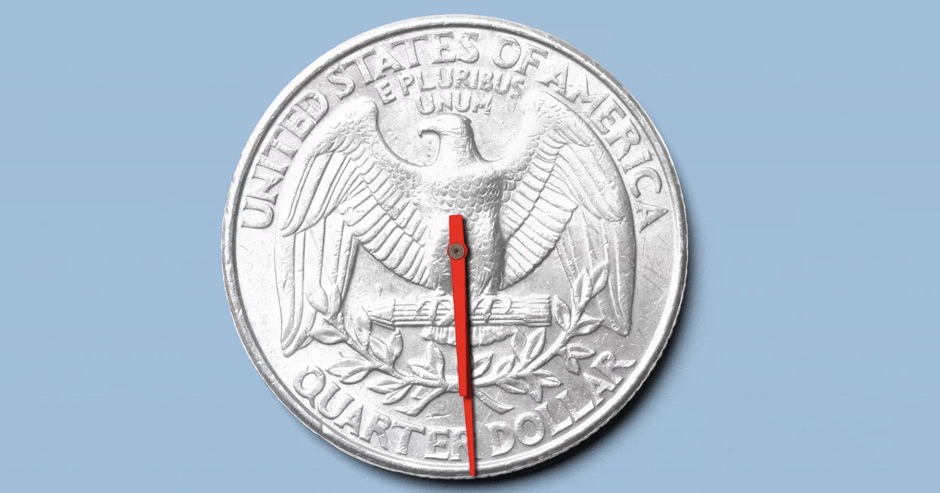
Article describing the “time tax,” the costs to people applying or benefits in terms of spending substantial amounts of time navigating user-unfriendly interfaces. The article describes the necessity of simplifying safety-net programs and cross-coordinating across various social service programs.
This report shares the results of our comprehensive content audit and heuristic evaluation of eligibility pre-screeners, including ratings on security, mobile-friendly design, accessibility, and more.
In this presentation, team members from the North Carolina Department of Health and Human Services provide an overview of the implementation process for cross enrollment with SNAP, WIC, and Medicaid in North Carolina.
North Carolina Department of Health and Human Services
Code for America partnered with the CBPP, Civilla, and Nava to launch the Integrated Benefits Initiative, testing and piloting human-centered approaches to improve outcomes and learn what an optimal safety net could look like. This article describes key takeaways from short-term pilots implemented as part of this project.
This article describes the General Services Administration’s efforts to get a limited number of state and local governments to try login.gov with their federally funded programs.
This guide by Cyd Harrell serves as a comprehensive manual for technologists aiming to engage effectively in public sector projects, offering practical advice on navigating government partnerships and driving impactful change.
This case study describes Nava's with the state of Montana’s Special Supplemental Nutrition Program for Women, Infants, and Children (WIC) agency to build an eligibility screener tool.
This presentation shares user experience research on the challenges, priorities, and opportunities for improving the journey of Bay Area residents seeking affordable housing.