Differing federal requirements for public benefit applications create significant barriers for applicants and complicate state efforts to integrate services.
Defining a product in government digital services is crucial, as it serves as the means through which a service is delivered to the public, and understanding its attributes ensures effective and continuous improvement.
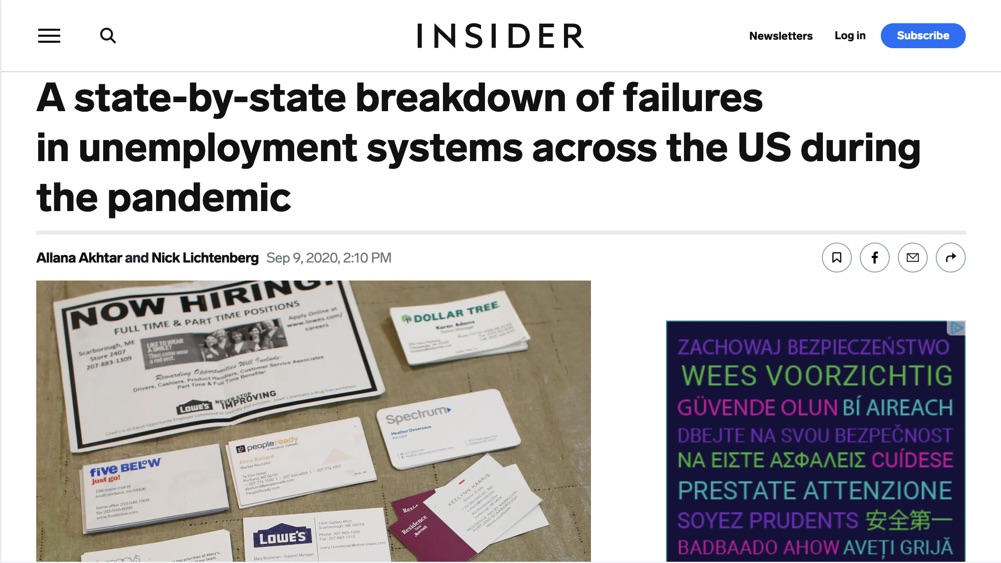
This article examines how outdated state unemployment insurance (UI) systems struggled during the COVID-19 pandemic, leading to delays, technical failures, and widespread frustration for job seekers.
In 2022, Nava formed its first-ever PAC as part of their initiative to help Montana’s Special Supplemental Nutrition Program for Women, Infants, and Children (WIC) program design a new recertification portal. Leveraging what Nava learned from this experience, this toolkit outlines the necessary steps to form a PAC, including planning a structure for the council, recruiting participants, and other logistics.
Webinar that shares Nava’s partnership with the Gates Foundation and the Benefits Data Trust that seeks to answer if generative and predictive AI can be used ethically to help reduce administrative burdens for benefits navigators.
Ad Hoc has found that product operations can help scale impact by putting objective indicators at the center of product decision-making. The team has seen success in supporting product thinking at agencies like the Department of Veterans Affairs (VA), where they made it easier for Veterans to access employment and education assistance and for caregivers to receive needed support.
To assist states in closing digital skill gaps and preparing for digital equity planning, this brief offers key questions and resources for state leaders to consider.
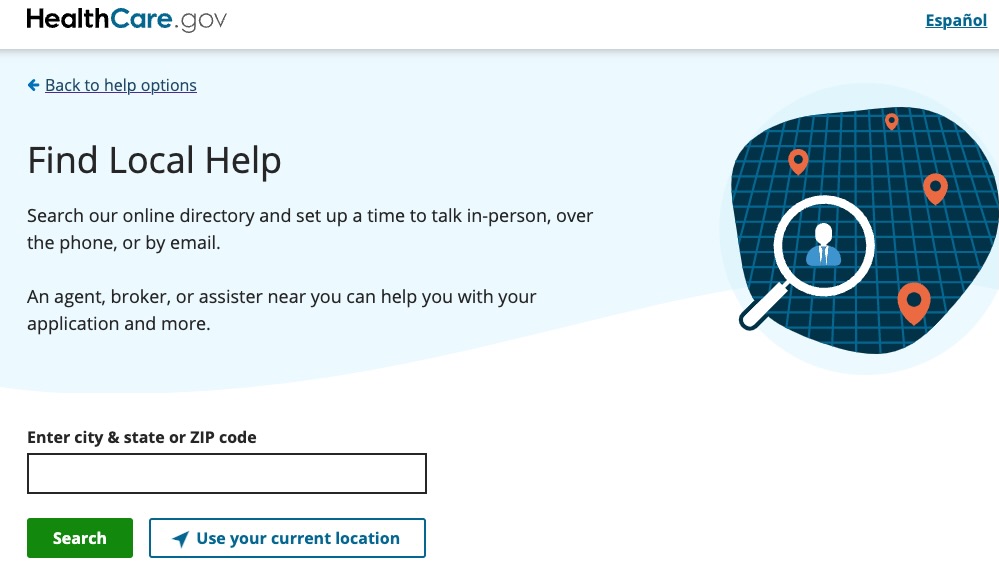
When people hit the moment in the HealthCare.gov sign-up process where they need in-person help, they’re likely frustrated and at risk of abandoning the process altogether. To help, Ad Hoc designers on the Centers for Medicare & Medicaid Services (CMS) Find Local Help team extensively researched user pain points and used human-centered design to create a tool that respects the stress users may experience and delivers the information they need as quickly and simply as possible.
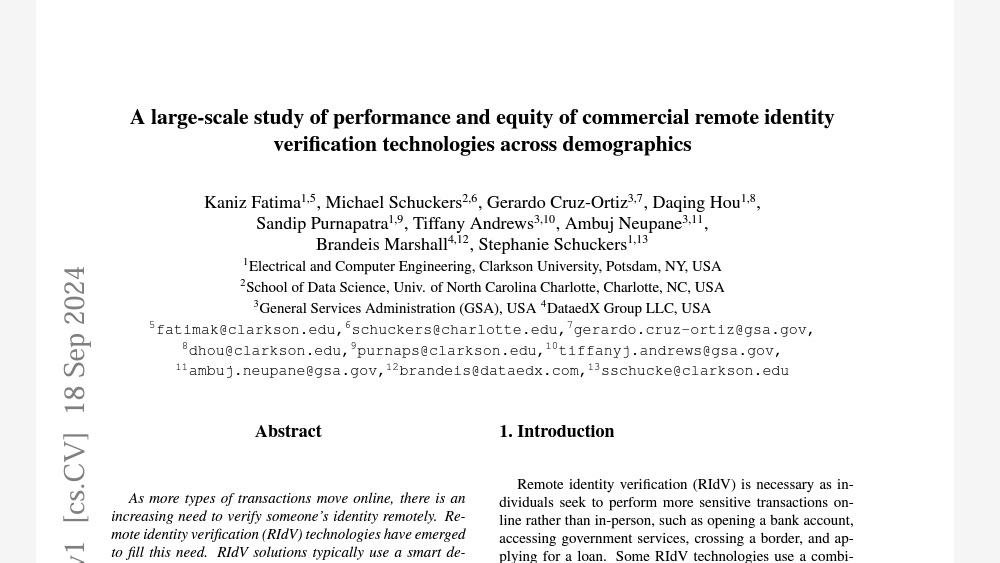
This study assesses five commercial RIdV solutions for equity across demographic groups and finds that two are equitable, while two have inequitable performance for certain demographics.