This report reviews the features of intergovernmental software cooperatives, examines several different examples, looks at different categories of cooperatives and their governance structures, and inventories known cooperatives both within and outside of the United States.
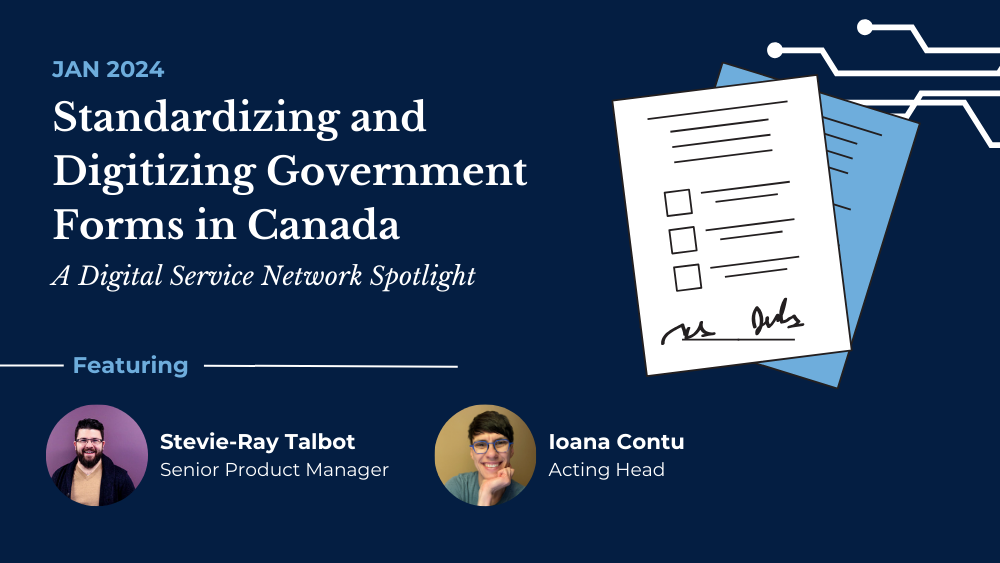
The Digital Service Network (DSN) spoke with GC Forms’ Senior Product Manager Stevie-Ray Talbot and Acting Head Ioana Contu to learn more about the team's approach to building GC Forms.
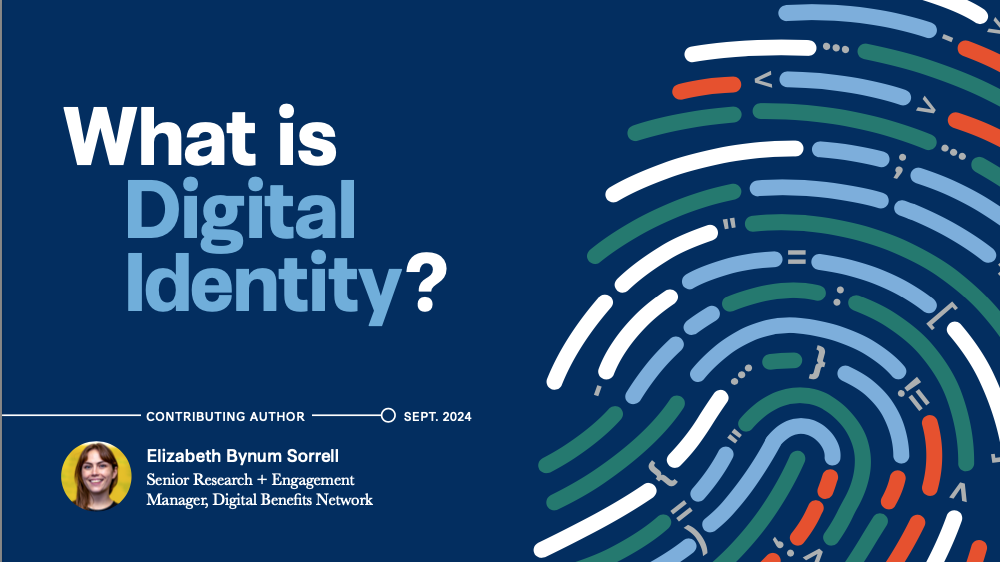
In this updated primer, the DBN introduces the concept of digital identity, and provides brief snapshots of digital identity-related developments internationally and in the U.S.
This brief offers a new, anti-racist vision for transforming the Child Care and Development Fund (CCDF) into a program that actively pushes back against structural racism and advances racial equity and economic prosperity for all families.
This article explores how AI and Rules as Code are turning law into automated systems, including how governance focused on transparency, explainability, and risk management can ensure these digital legal frameworks stay reliable and fair.
Presentation covering the findings of a research study analyzing the structural and budgetary layout of of eleven US-based Digital Service Teams (DSTs) at the municipal, county, and state levels.
For the Digital Service Network’s (DSN) final installment of its summer event series, Let’s Get Digital, we heard about New York State’s (NYS) human-centered design (HCD) journey and how relationships between leadership and digital service teams have been pivotal in advancing user-centric service delivery.
This study describes the potential of human-centered design principles to identify burdens, reducing the effects of what we label as administrative checkpoints.