A nationwide survey capturing how state chief data officers are structured, resourced, and operating, and how the role is evolving to support data-driven government.
National Association of State Chief Information Officers (NASCIO)
This publication summarizes a body of research about how state benefits administering agencies build and maintain integrated eligibility and enrollment (IEE) systems. It is an easy to reference guide for state administrators, legislators, advocates, and delivery partners.
A virtual event showcasing how one city applied technology, including artificial intelligence, to streamline municipal code administration and reduce bureaucratic friction.
The A11y Jam opening session that introduces the April 2026 DOJ digital accessibility requirements and provides practical, plain-language guidance for government teams preparing for compliance.
This guide is a practical introduction to Digital Service Teams (DSTs) for state and local governments. It is designed to help leaders interested in standing up new government DSTs understand what they are, why they exist, and how they are structured, staffed, funded, and more.
The first edition of this storytelling series explores the critical role of cognitive accessibility in digital government services through the personal experiences of a scholar and a mother navigating a complex bureaucracy.
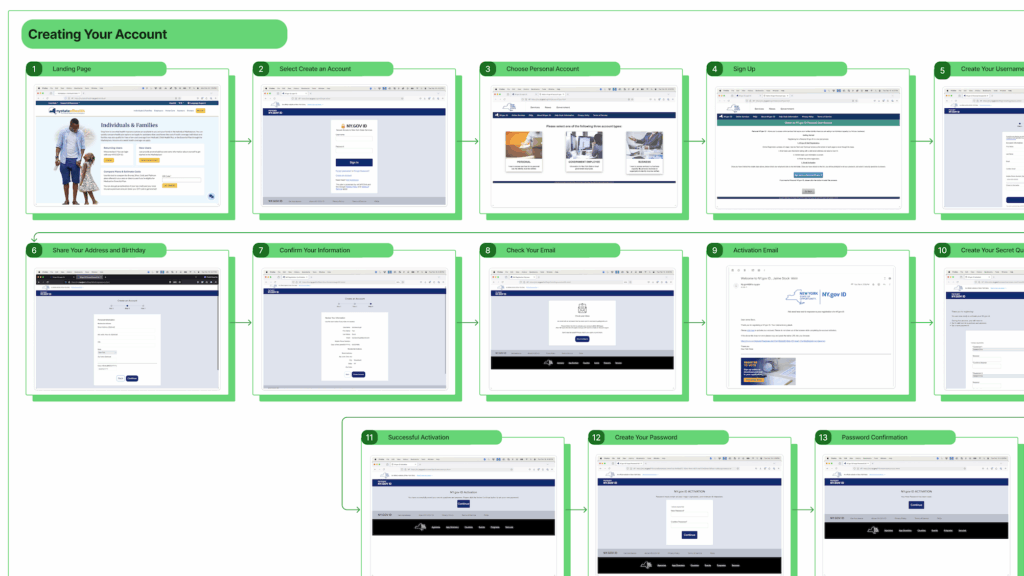
Created for use in the Digital Doorways research project, this design stimuli shows the steps of submitting an application, sharing personal information, and verifying identity for New York's online application for Medicaid.
DSN Spotlights are short-form project profiles that feature exciting work happening across our network of digital government practitioners. Spotlights celebrate our members’ stories, lift up actionable takeaways for other practitioners, and put the resources + examples we host in the Digital Government Hub in context.
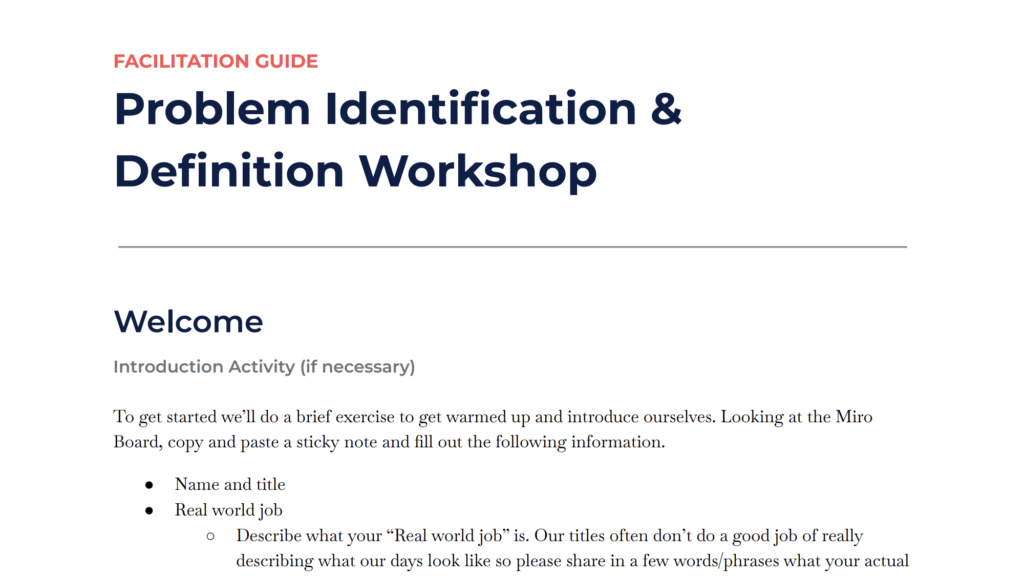
This workshop guide offers teams an opportunity to jointly work toward understanding core problems impacting digital delivery in their organization. The guide is structured in two parts: (1) a Miro template and (2) a Facilitation Guide.
This study examines how the 2021 expansion of the Child Tax Credit (CTC) influenced housing affordability and living arrangements for low-income families.