This guide addresses technical and engineering requirements for a text messaging program, including texting platform options, and procurement and vendor management, among other technical implementation topics.
The US Digital response partnered with dozens of states, counties, and cities to support them in using and tracking CARES Act grants. This article presents six lessons learned from their work to help governments better assist residents, particularly small businesses and low-income communities.
This annotated bibliography compiles key resources on data linkage and integration for research and statistical purposes, focusing on best practices, governance, and technical considerations.
This blog discusses a resource developed by the Digital Service at the Centers for Medicare & Medicaid Services (CMS) to assist individuals in navigating mental health, drug, or alcohol issues and connecting with appropriate support services.
U.S. Department of Health and Human Services (HHS)
The Federal Government made it easier for the public to share their knowledge, needs, and lived experiences to improve how government works for them and with them.
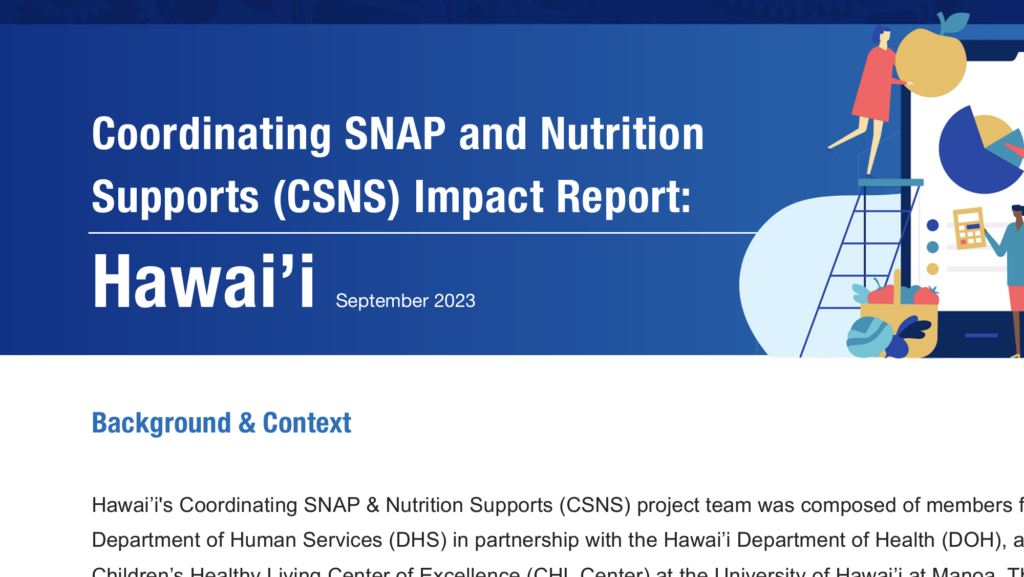
This report documents best practices and lessons learned from project streamlined data sharing between SNAP and WIC, enhancing cross-enrollment processes
American Public Human Services Association (APHSA)