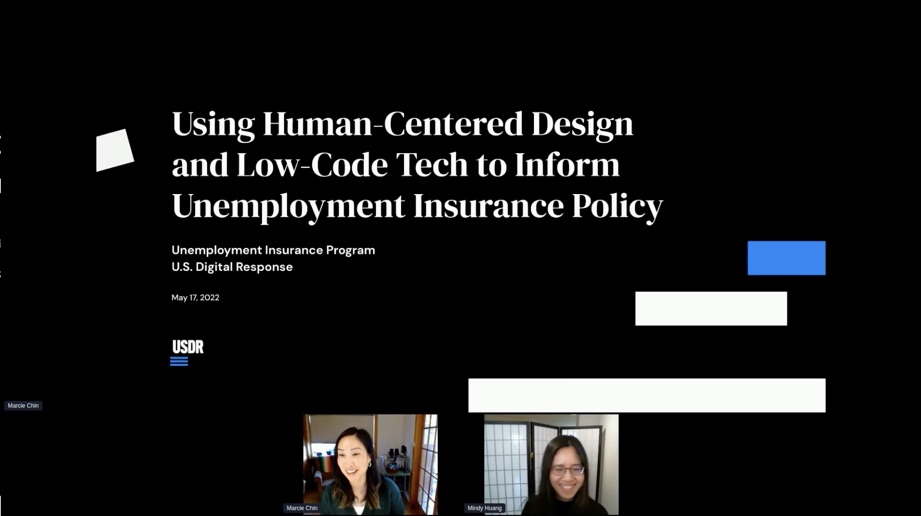
U.S. Digital Response partnered with the Department of Labor to design a human-centered, low-code solution for efficient retroactive unemployment benefit determination.
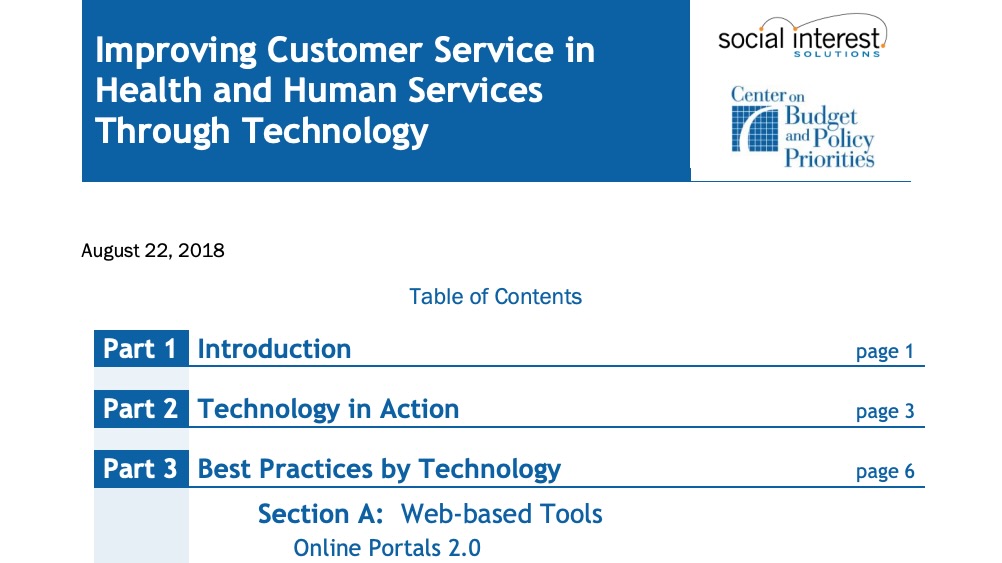
This report explores how state and local agencies can enhance customer service in health and human services by implementing technologies such as web-based tools, mobile applications, and call center innovations, aiming to streamline processes and improve client interactions.
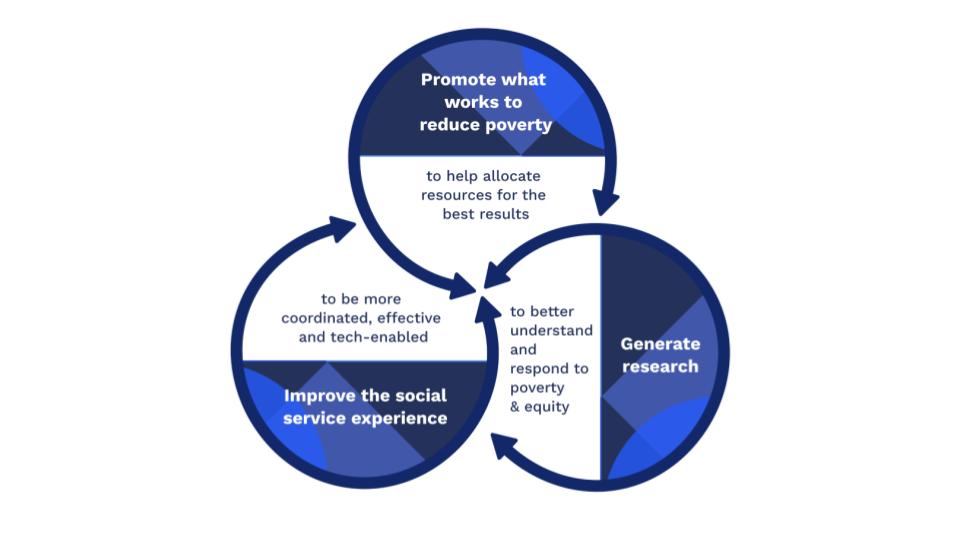
This retrospective looks at the way the NYCOpportunity initiative worked across City government, partnering with agencies to initiate new approaches and enhance city practices. It also highlights key areas of focus for the NYC Opportunity team between 2014 and 2021.
This is a job description for the role of Associate Director, Programs and Evaluation from the New York City Mayor's Office for Economic Opportunity (NYC Opportunity).
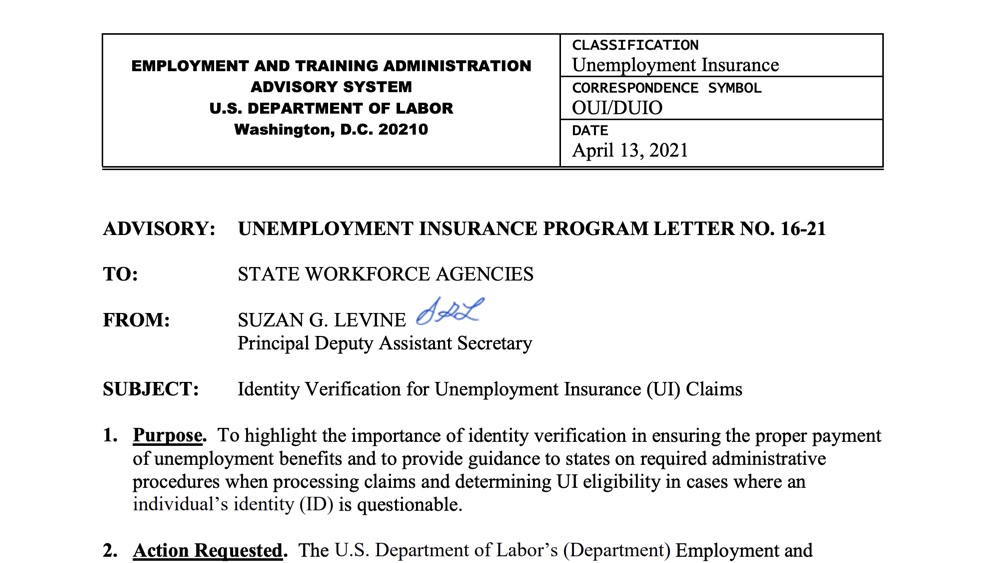
This program letter from the Employment and Training Administration Advisory System, U.S. Department of Labor to State Workforce Agencies highlights the importance of identity verification in ensuring the proper payment of unemployment benefits and provide guidance to states on required administrative procedures.
Employment and Training Administration Advisory System
The team conducted experiments to determine whether clients would be responsive to proactive support offered by a chatbot, and identify the ideal timing of the intervention.