This report describes C-Stat 2.0, an updated version of the the Colorado Department of Human Services’ performance-based analysis strategy that allows them to better focus on and improve performance outcomes that enhance people’s lives.
Recent studies demonstrate that machine learning algorithms can discriminate based on classes like race and gender. This academic study presents an approach to evaluate bias present in automated facial analysis algorithms and datasets.
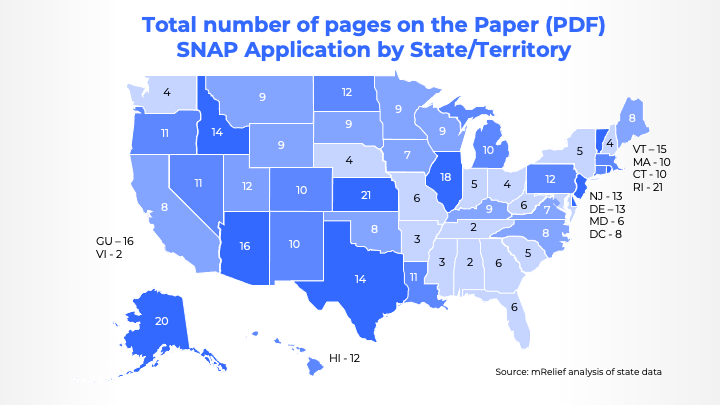
The Average Food Stamp Application is 17 Pages Long article by mRelief highlights the extensive length and complexity of Supplemental Nutrition Assistance Program (SNAP) applications, which can deter eligible individuals from applying for benefits.
This report on the use of Generative AI in State government presents an initial analysis of the potential benefits to individuals, communities, government and State government workers, while also exploring potential risks.
The Decide Methods help you derive insights from the information gathered during the Discovery phase. You’ll validate initial assumptions, develop a deeper understanding of workflows and processes, and develop design hypotheses.
New America spoke to to the people at the frontlines of the pandemic—professional caregivers, family caregivers, parents, and essential workers—to understand the policy interventions people need most. This report discusses ideas for policymakers, private sector leaders, and community innovators to use in pursuit of work-family justice and equity across race, gender, and class.
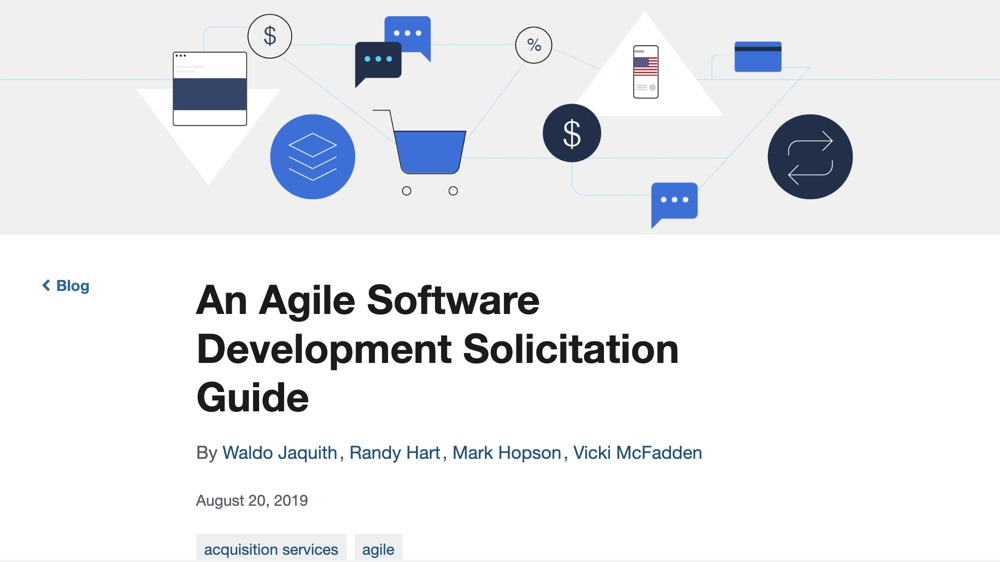
Government solicitations to procure custom software are often long, complicated, and take months. By using 18F’s agile contract format, agencies can hire an agile software contractor with a quickly-written dozen-page solicitation, allowing for immense savings in time and money.
This guide discusses general characteristics shared by organizations that have successfully created accessible content, and includes case studies that showcase characteristics of successful accessible content teams.
The experience of the COVID-19 pandemic and its induced recession underscored the crucial importance of unemployment insurance (UI) to workers, and to the stability of the American economy. Temporary federal expansions of unemployment systems during the pandemic showed how they can quickly be scaled to increase benefit levels and to include categories of workers who were not previously eligible, such as the self-employed, caregivers, and low-wage workers. And, states showed that separate programs can be set up to provide similar benefits to workers who are explicitly excluded from unemployment insurance—in particular immigrants who do not have a documented immigration status.
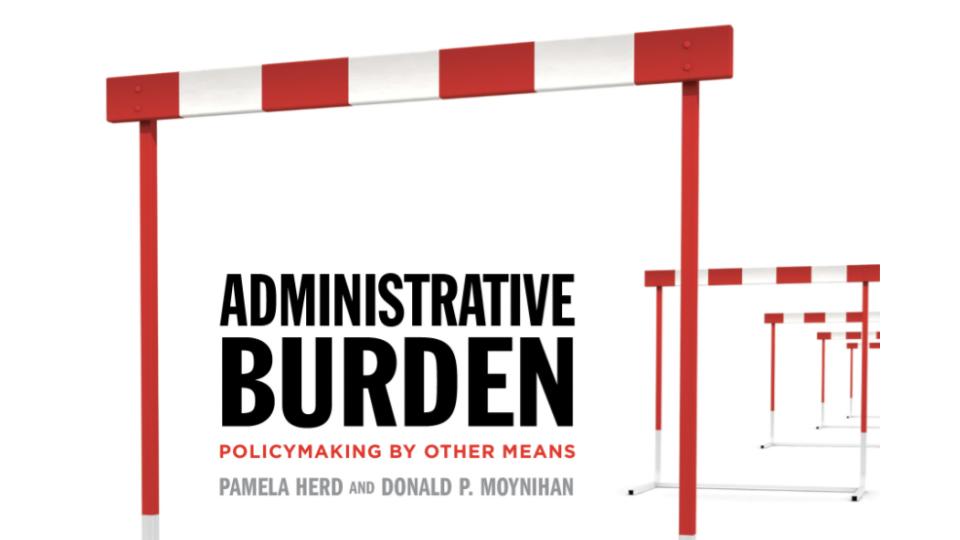
This book is an in-depth exploration of federal programs and controversial legislation demonstrating that administrative burden has long existed in policy design, preventing citizens from accessing fundamental rights. Further discussion of how policymakers can minimize administrative burden to reduce inequality, boost civic engagement, and build an efficient state.
These guidelines from the National Institutes of Standard and Technology provide technical requirements for federal agencies implementing digital identity services.
National Institute of Standards and Technology (NIST)