This Executive Order mandates citywide actions to make government information more inclusive, accessible, and understandable through digital accessibility and plain language initiatives.
These standardized guidelines are intended to manage data quality across Hawaii state agencies, covering key dimensions, compliance expectations, and best practices for both general and geospatial data.
This policy brief outlines how extending postpartum Medicaid and CHIP coverage can improve maternal health outcomes, reduce disparities, and strengthen continuity of care during the critical first year after childbirth.
The report examines how AI deployment across state and local public administration such as chatbots, voice transcription, content summarization, and eligibility automation are reshaping government work.
A framework that helps policy and digital service teams interpret legislation by identifying user needs, intent, and implementation challenges to support more effective, human-centered government service delivery.
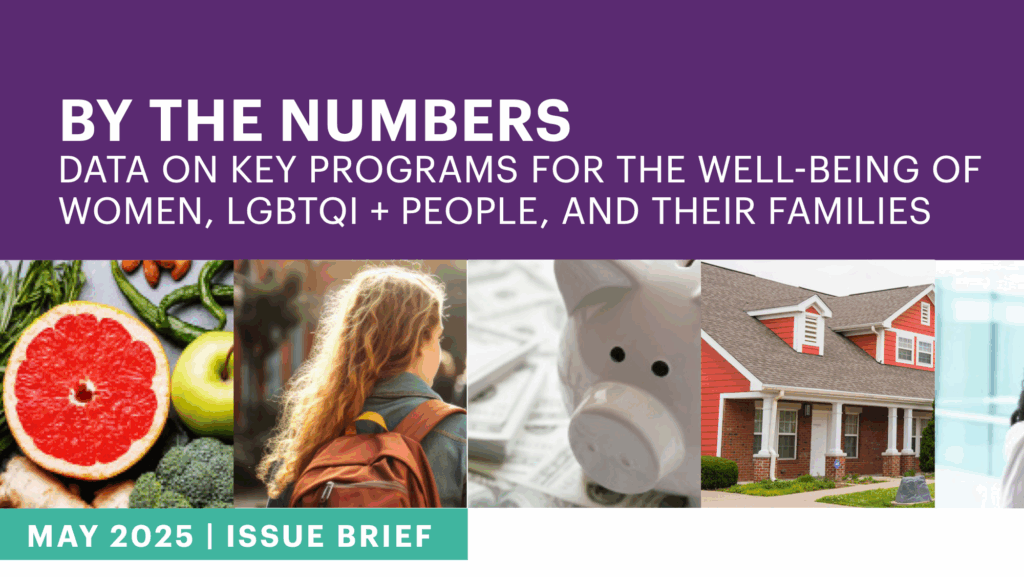
A data report providing updated statistics on key federal programs that support the well-being of women, LGBTQI+ individuals, and their families, highlighting trends, coverage gaps, and areas for policy improvement.
An analysis showing that a proposed plan to shift some cost of SNAP benefits to states could push nearly 900,000 additional people into poverty during a recession.
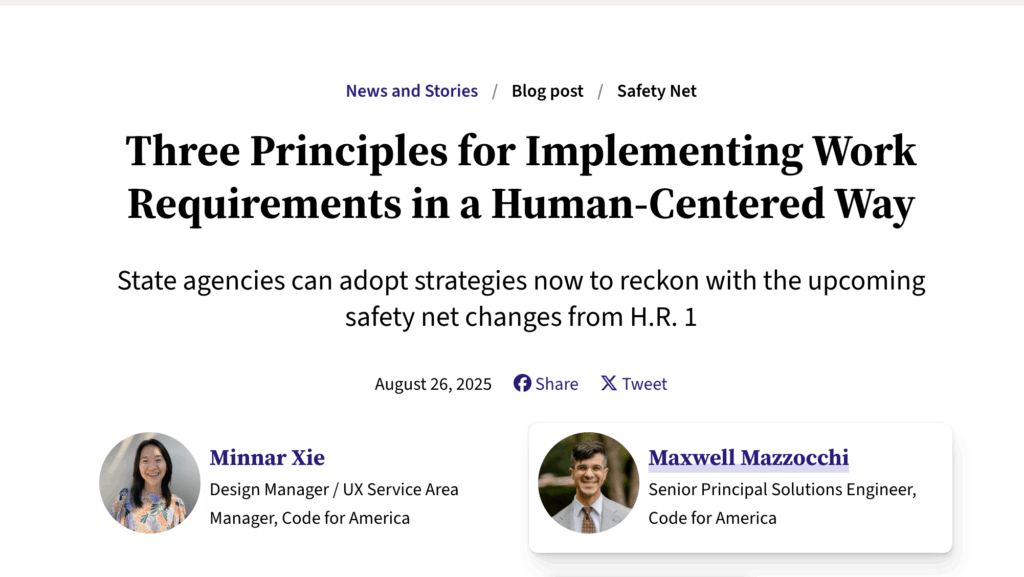
This article offers three human‑centered strategies to help state agencies implement expanded work reporting requirements in SNAP and Medicaid under H.R. 1 with minimal burden on clients and staff.
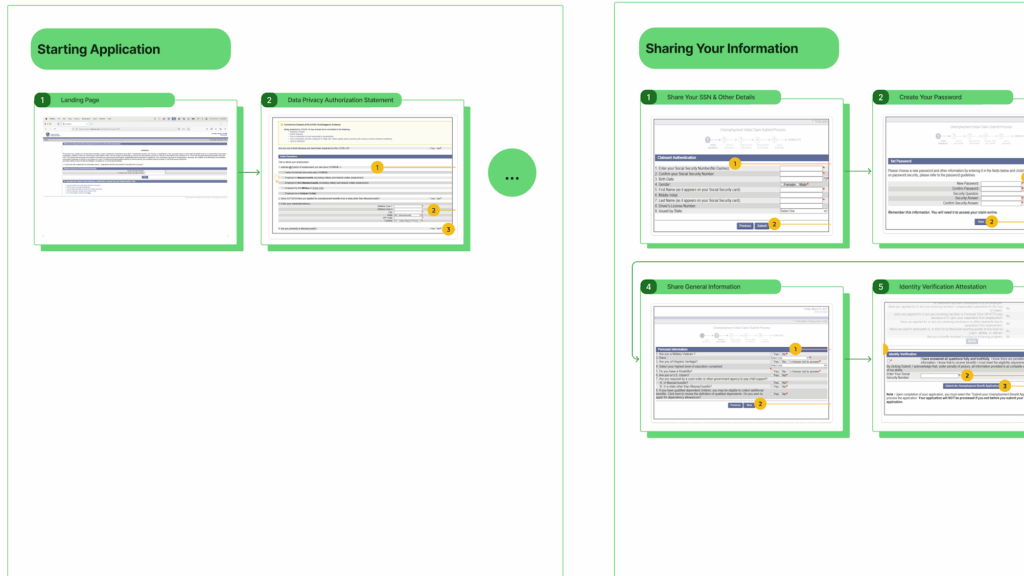
Created for use in the Digital Doorways research project, this design stimuli shows the steps of submitting an application, sharing personal information, and verifying identity for Massachusetts' online application for Unemployment Insurance.
The Maryland Information Technology Master Plan 2025 lays out the state’s strategy to modernize IT, expand digital services, and strengthen infrastructure to better serve residents and government agencies.
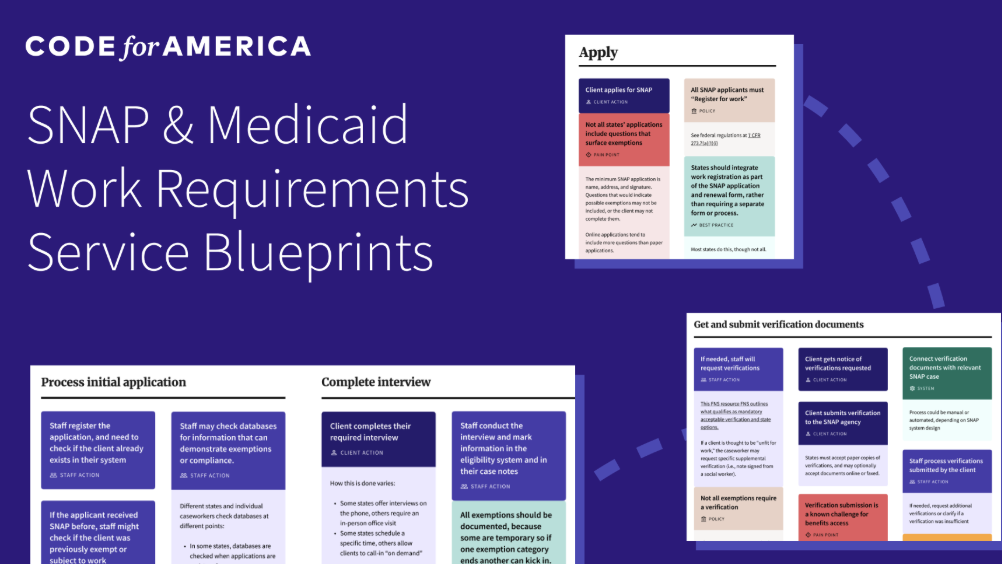
This file contains two, state-agnostic service blueprints that visualize how the new work requirements policy passed as part of H.R. 1 impacts the process of applying for, determining, and maintaining eligibility for SNAP and Medicaid benefits.