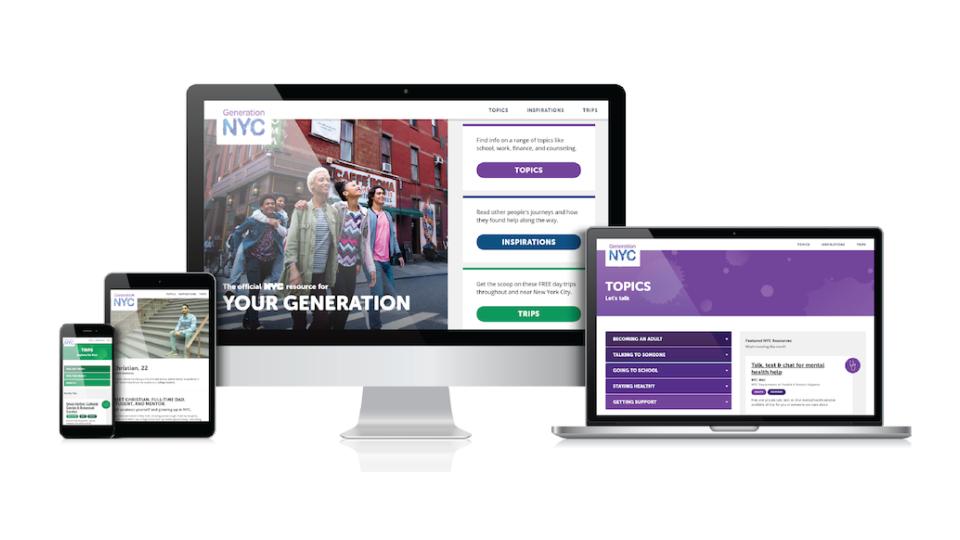
NYC's official resource for teens and young adults, including: peer & professional support, family support, education, health care, housing, employment, and other resources to help young people thrive.
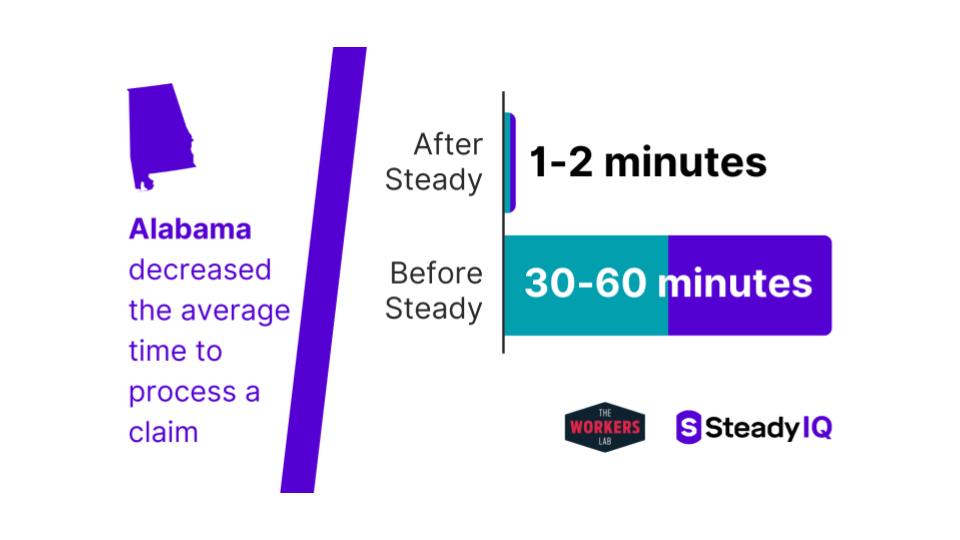
In response to COVID-19, the Workers Lab and Steady developed the "Income Passport" to streamline gig workers' unemployment benefit applications by pulling income data directly from gig platforms and financial accounts. This tool reduced manual verification time, helped prevent fraud, and improved workers' access to full benefits, with successful tests in Alabama and Louisiana demonstrating significant time savings and improved service delivery.
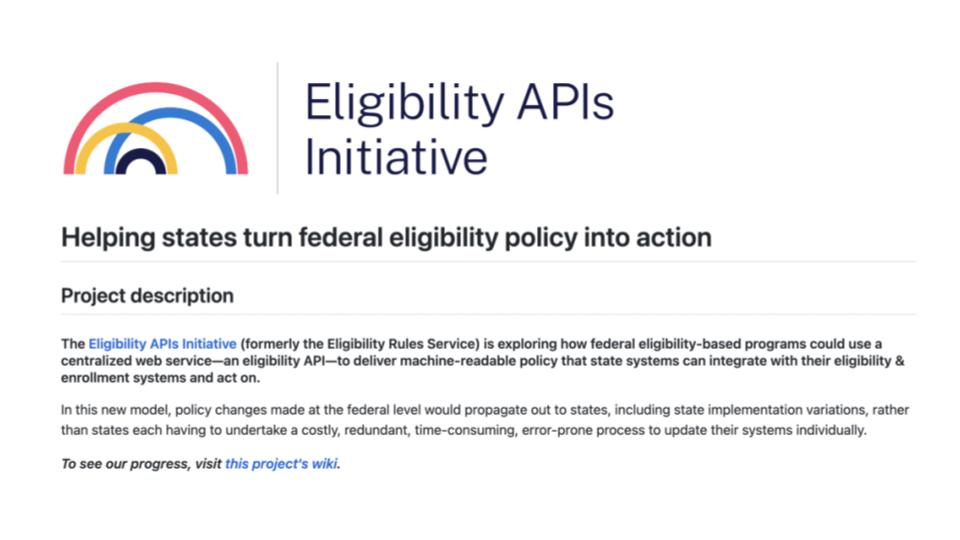
18F, a consultancy within the U.S. General Services Administration, developed a prototype API and pre-screener to model federal SNAP eligibility rules, aiming to simplify benefits access through open-source technology.
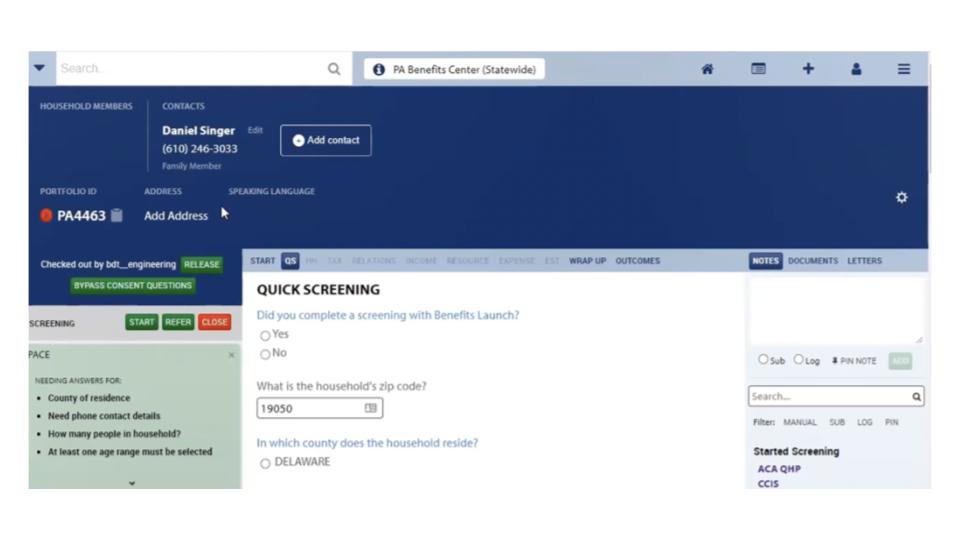
Benefits Data Trust (BDT) is a nonprofit that connects people to public benefits through a streamlined, phone-based application system called Benefits Launch, which reduces redundant questions and speeds up the process for multiple programs. BDT's approach, supported by a custom-built rules engine, has facilitated over 800,000 benefit enrollments, helping secure over $9 billion for eligible households across seven states.
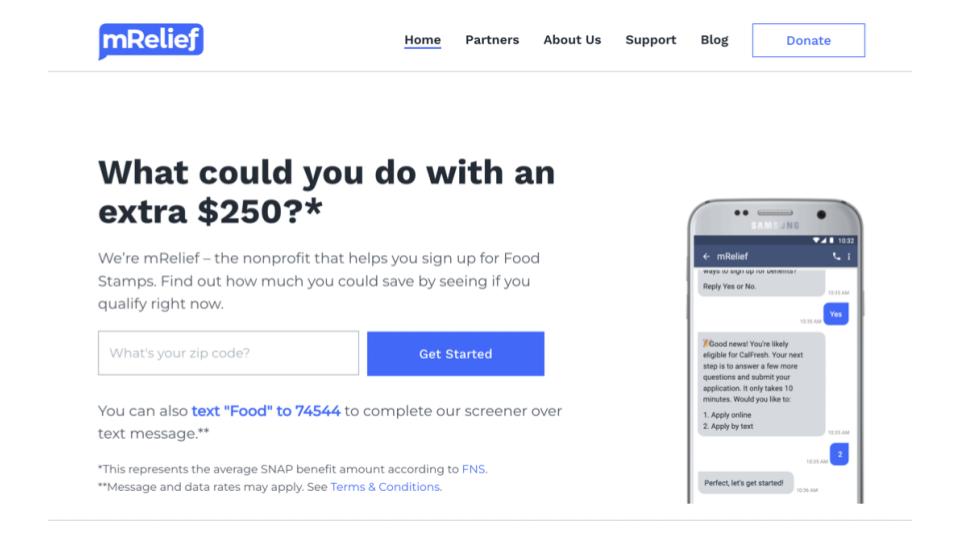
mRelief is a nonprofit that helps individuals in all 53 U.S. states and territories determine SNAP eligibility and apply using easy-to-use web and text tools. Their simplified, inclusive approach has supported over 2.7 million people and unlocked over $1 billion in benefits, focusing on minimizing barriers and adapting eligibility rules across states.
This resource appendix is a compilation of useful resources intended as a follow-on to the DSN’s writing on theories of change for digital transformation in government. Practitioners can use these resources to DIY their ToC after reading our essays.
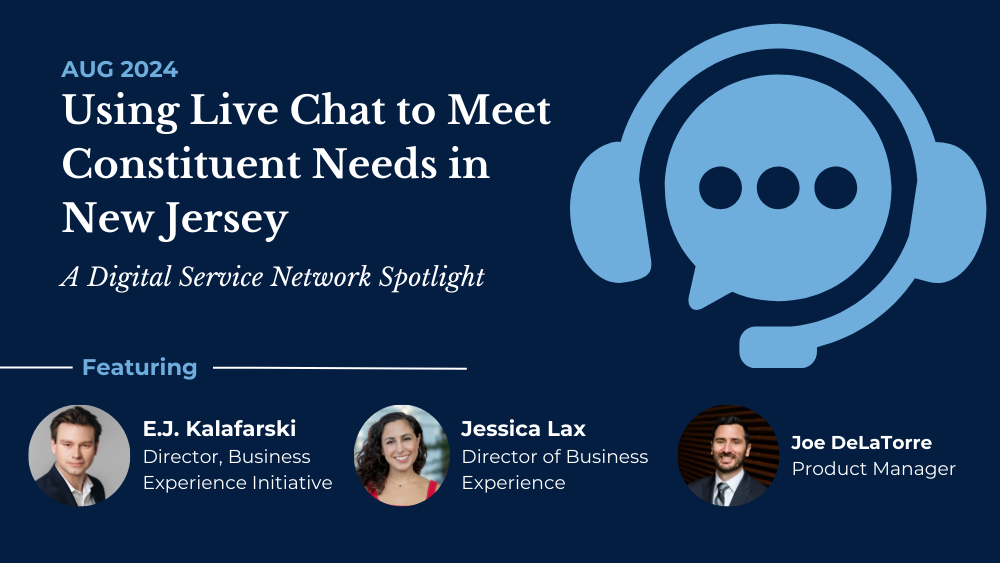
The Digital Services Network (DSN) spoke with the director of OOI’s Business Experience Initiative, E.J. Kalafarski, the director of Business Experience for the State, Jessica Lax, and product manager, Joe DeLaTorre, to learn about Business.NJ.gov’s live chat feature.
In this blog post, we’ve detailed some of the steps we take to help capture the best data possible when conducting interviews. This post is intended as a guide for people who need to conduct user interviews and for people simply curious about how we work.
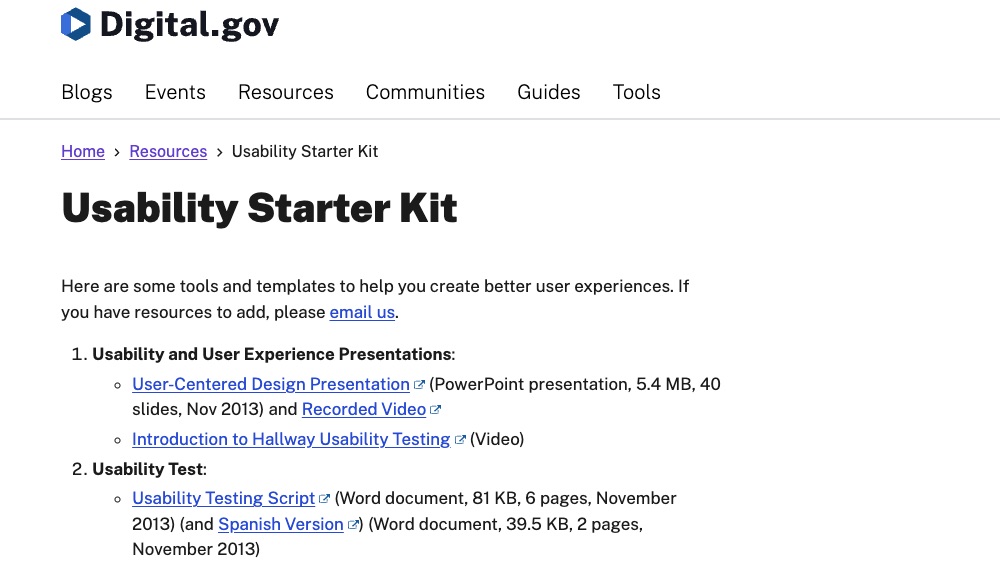
The DigitalGov Usability Starter Kit offers a comprehensive collection of tools and templates designed to assist in creating user-centered digital experiences.
In this updated primer, the DBN introduces the concept of digital identity, and provides brief snapshots of digital identity-related developments internationally and in the U.S.