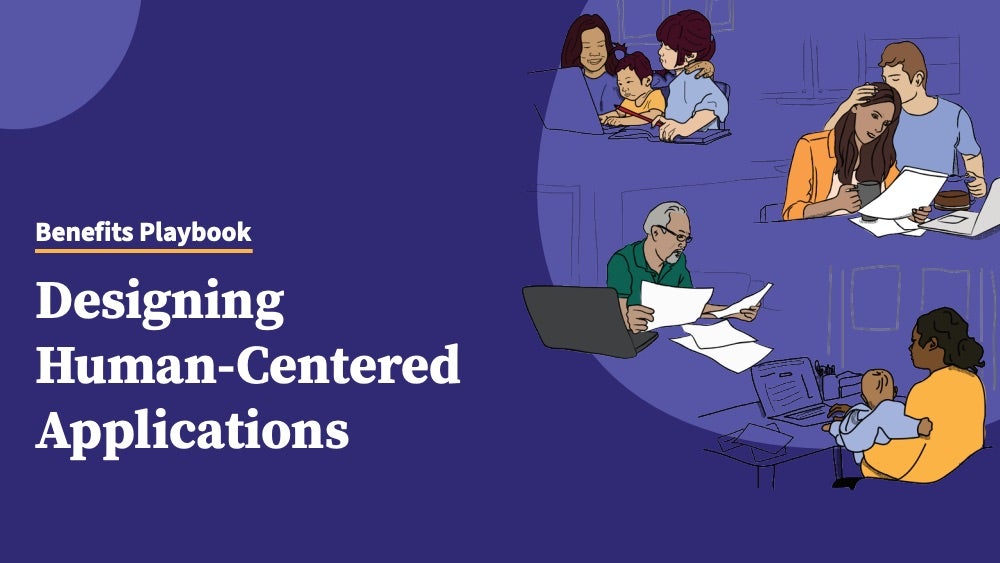
This resource describes how different agencies have updated their systems to increase online and mobile access to benefits information and applications, including using text messages to share benefits information with residents.
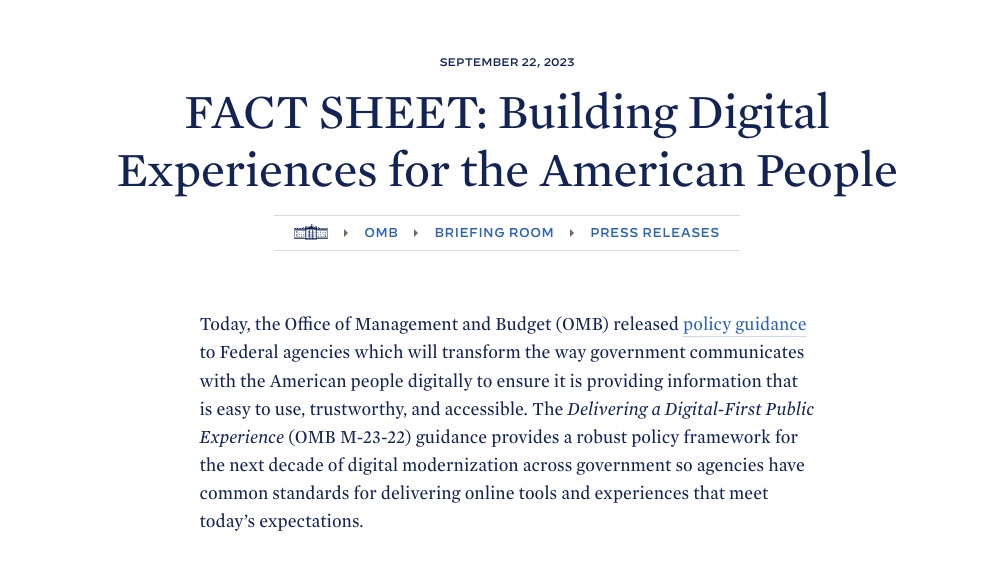
Fact sheet associated with policy guidance from the Office of Management and Budget (OMB) providing guidance on "The Delivering a Digital-First Public Experience."
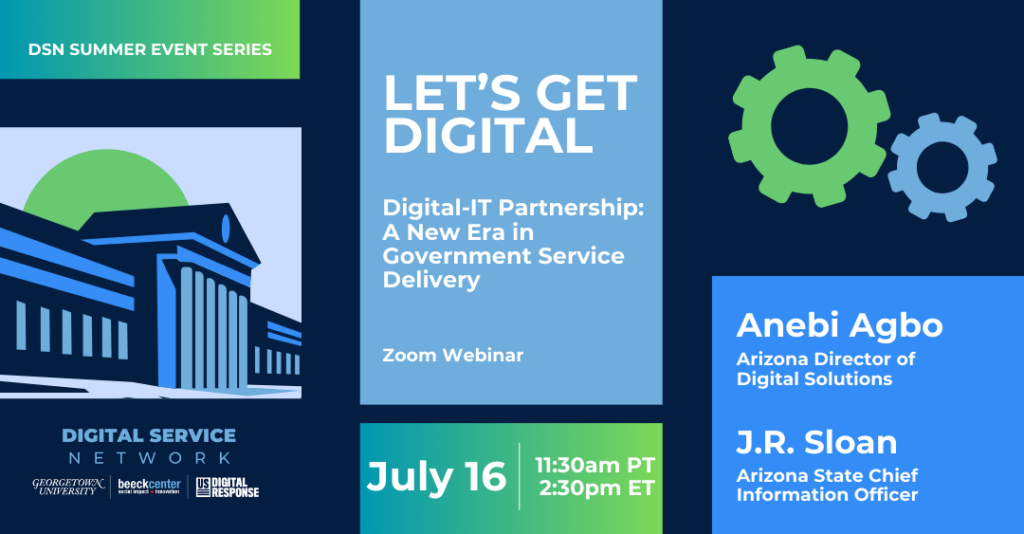
To kick off the Digital Service Network’s (DSN) summer event series, Let’s Get Digital, the DSN heard from the State of Arizona on their efforts to transform government services through a strong collaboration between information technology (IT) and digital service functions.
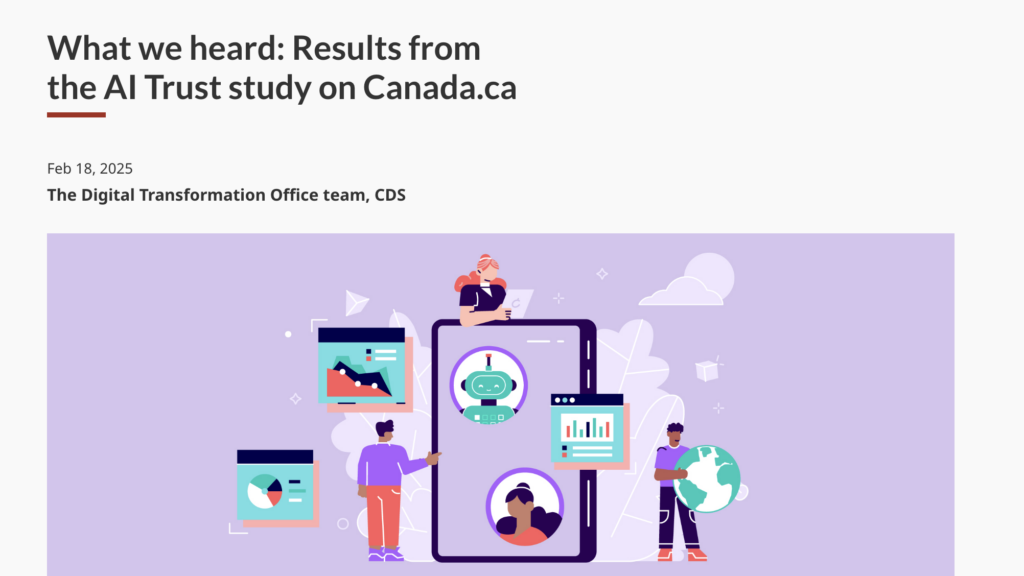
A public summary of findings from an AI trust study showing how Canadians perceive and trust different AI designs on the official government website, particularly preferring custom, transparent AI experiences over general third-party AI tools.
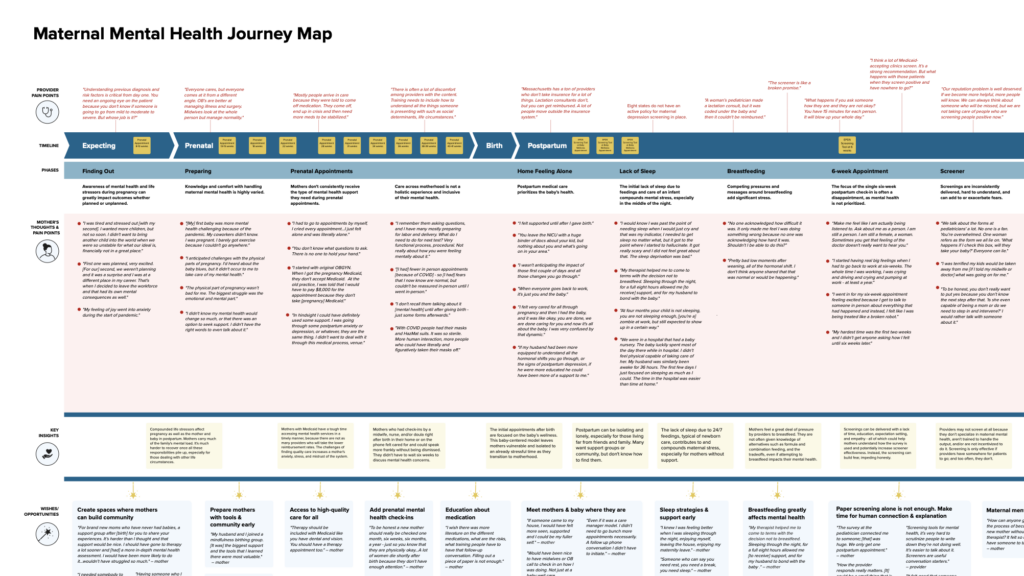
This research visualizes the complex emotional and clinical stages of the maternal mental health experience, from initial pregnancy through postpartum recovery and the return to work.
The U.S. Digital Response collaborated with a state workforce agency to develop a multilingual, user-friendly system for retroactive Pandemic Unemployment Assistance (PUA) applications, enhancing claimant comprehension and reducing administrative strain.