Hennepin County, Minnesota, implemented an online application system for child care assistance, resulting in increased applications, faster benefit distribution, and reduced administrative burdens.
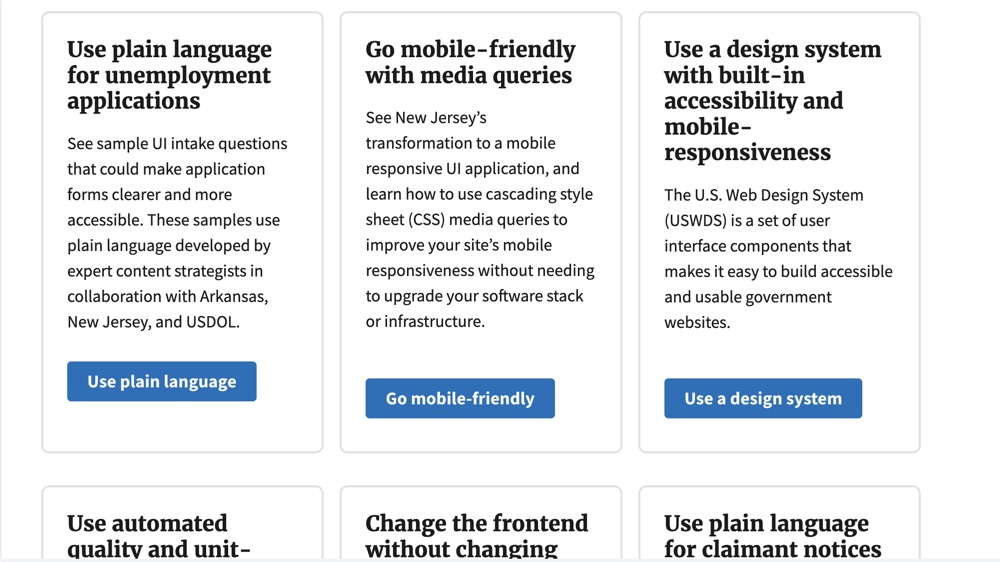
The U.S. Department of Labor is working with states, territories, and the public to develop strategies to continuously improve the nation’s unemployment insurance (UI) systems.
Digital service (DS) teams across the public sector are working to improve how services are delivered to residents. These teams exist at all levels of government and are iteratively using data, technology, and human-centered design to reframe how residents interact with government.
A four-part U.S. Digital Service blog series detailing how the federal “Birth of a Child and Early Childhood” Life Experience team used human-centered design to improve benefit access, peer support, and maternal mental health services for families with children ages 0–5.
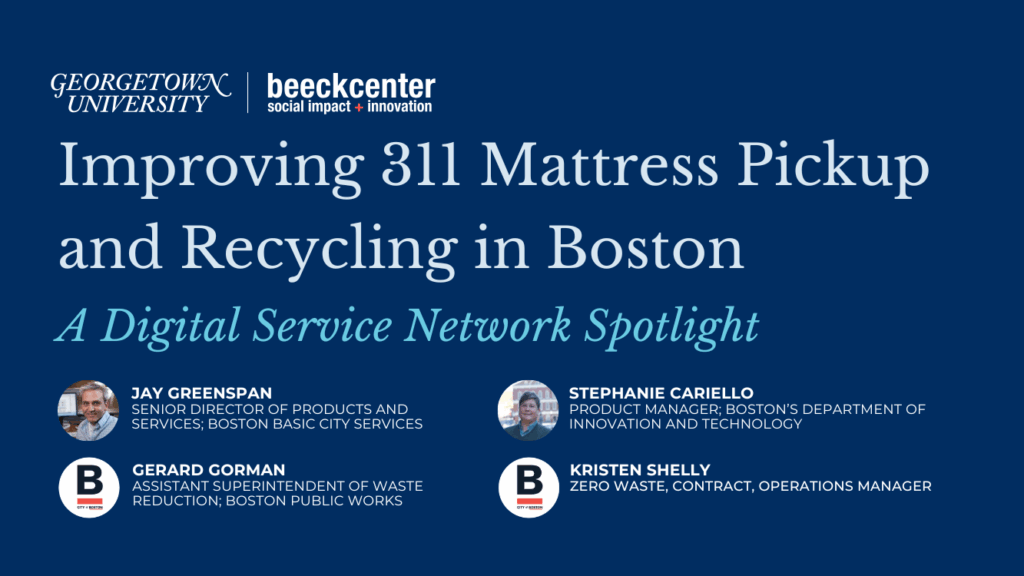
DSN Spotlights are short-form project profiles that feature exciting work happening across our network of digital government practitioners. Spotlights celebrate our members’ stories, lift up actionable takeaways for other practitioners, and put the resources + examples we host in the Digital Government Hub in context.
The story of Andrew Petrisin and the FLOW system demonstrates how the U.S. DOT successfully overcame barriers in government tech by building a collaborative, user-centered logistics platform that provided value to stakeholders during the 2021 supply chain crisis.
This article reviews two examples of how Nava has used open-source technologies to bring human-centered testing practices to government services software.
Teams crafting policy inside and outside government can use the assessment to center their policy-making activities around those most impacted by their proposed programs and policy ideas.