This publication explains the fundamentals of state IEE systems—including the technology, opportunities, risks, and stakeholders involved. It is a resource for state officials, advocates, funders, and tech partners working to implement these systems.
A practical guidance document that explains how to design, code, and test HTML web forms so they are accessible to all users, including people with disabilities.
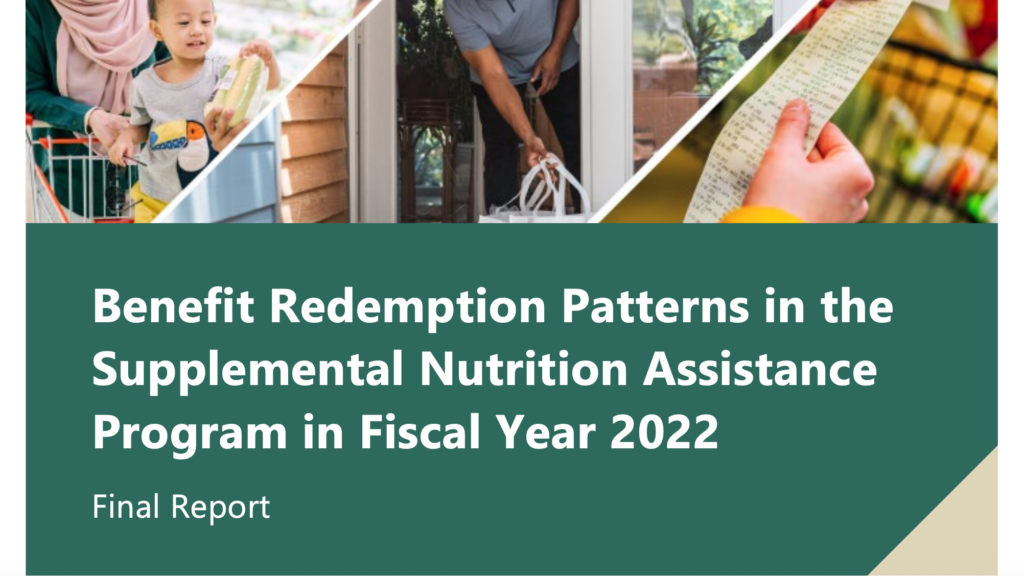
This report analyzes how SNAP households redeemed their benefits in FY 2022, examining transaction frequency, benefit exhaustion timing, store types, online purchasing, and the effects of pandemic-related policy changes.
This product validation summary deck explores federal opportunities to automate cross-program enrollment proofs and reduce manual verification burdens.
A public summary of findings from an AI trust study showing how Canadians perceive and trust different AI designs on the official government website, particularly preferring custom, transparent AI experiences over general third-party AI tools.
A policy brief outlining concrete actions states can take to regulate tenant screening practices and reduce harm from inaccurate reports, automated scoring, and discriminatory impacts in the rental housing market.
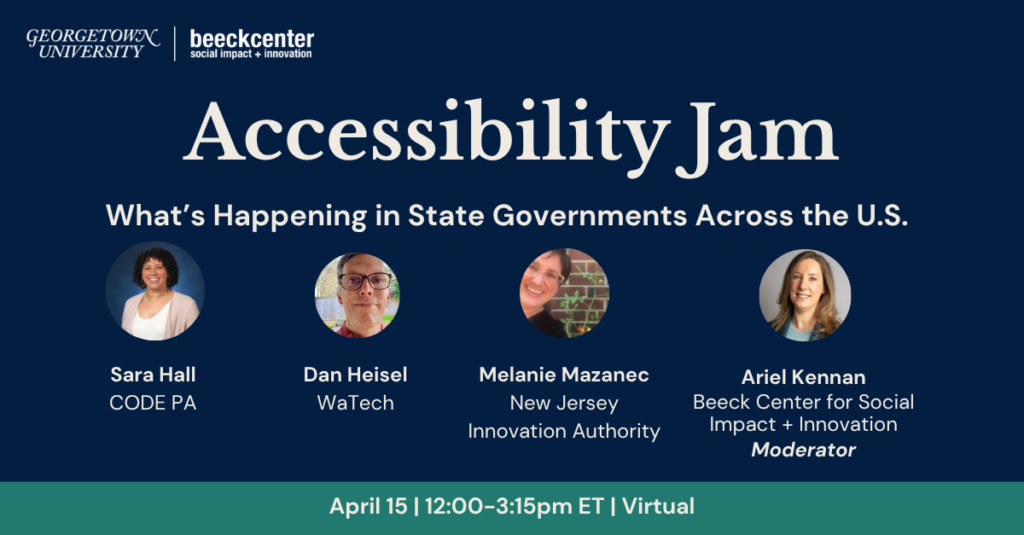
An A11y Jam session on how state agencies prioritize and manage digital accessibility compliance across complex systems using data-driven strategies and cross-agency coordination.
A TLDR of the State CDO Archetypes report—covering how state CDO offices operate and the six archetypes that define them. Written for event attendees and government staff: governor's office, IT and budget leadership, legal and data officials, and legislators who oversee CDO funding and establishment.
This workshop summary synthesizes key takeaways from a convening of nearly 40 research and data analytics staff from 15 states focused on SNAP Quality Control (QC) data modeling.
This presentation focuses on data-driven and analytic strategies for identifying and verifying medical frailty exemptions within Medicaid work requirements.