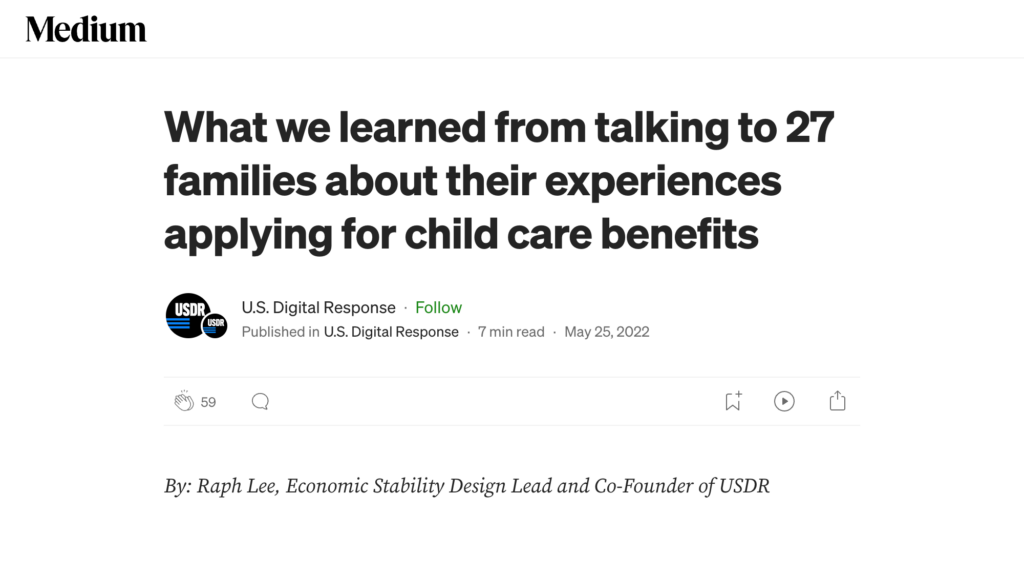
This post explores the lessons learned and opportunities for improvement from USDR's research on families' experiences as they navigate the child care journey.
This is the summary version of a report that documents four experiments exploring if AI can be used to expedite the translation of SNAP and Medicaid policies into software code for implementation in public benefits eligibility and enrollment systems under a Rules as Code approach.
This toolkit outlines actionable changes for government practitioners looking to improve the accuracy and accessibility of the questions on their forms that collect information about a user’s gender.
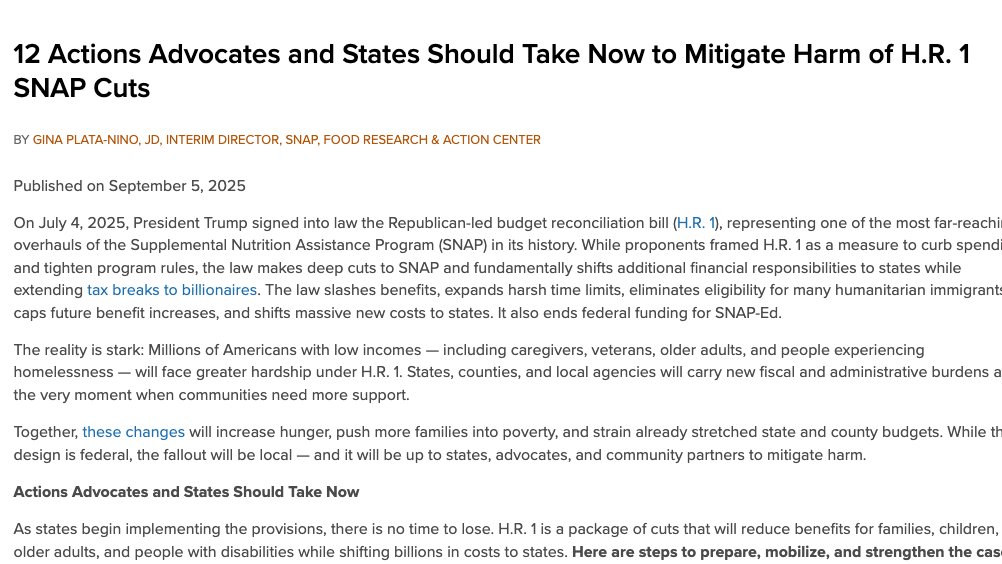
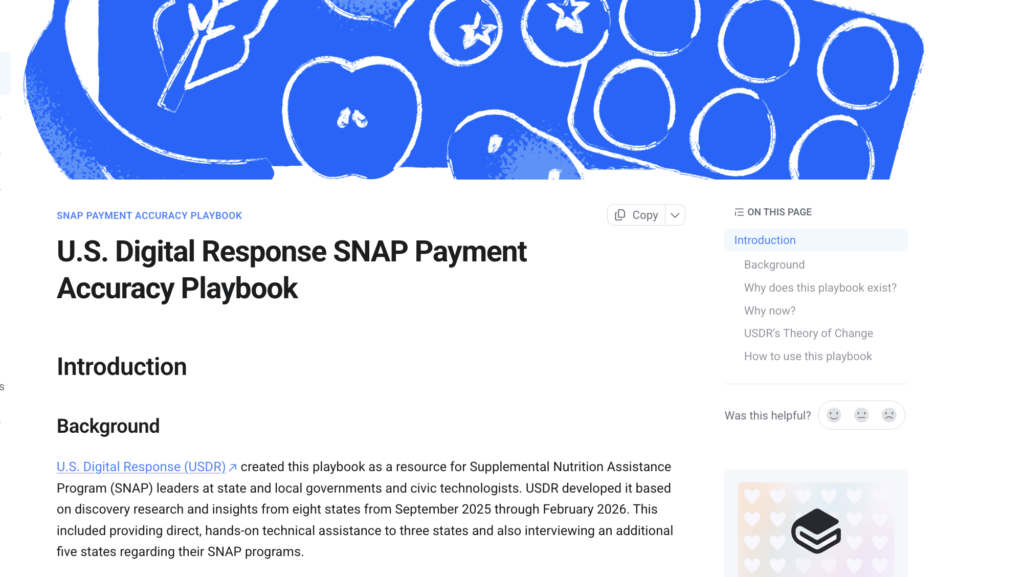
An advisory playbook to help state and local government leaders improve SNAP payment accuracy and lower administrative burdens following the passage of H.R. 1.
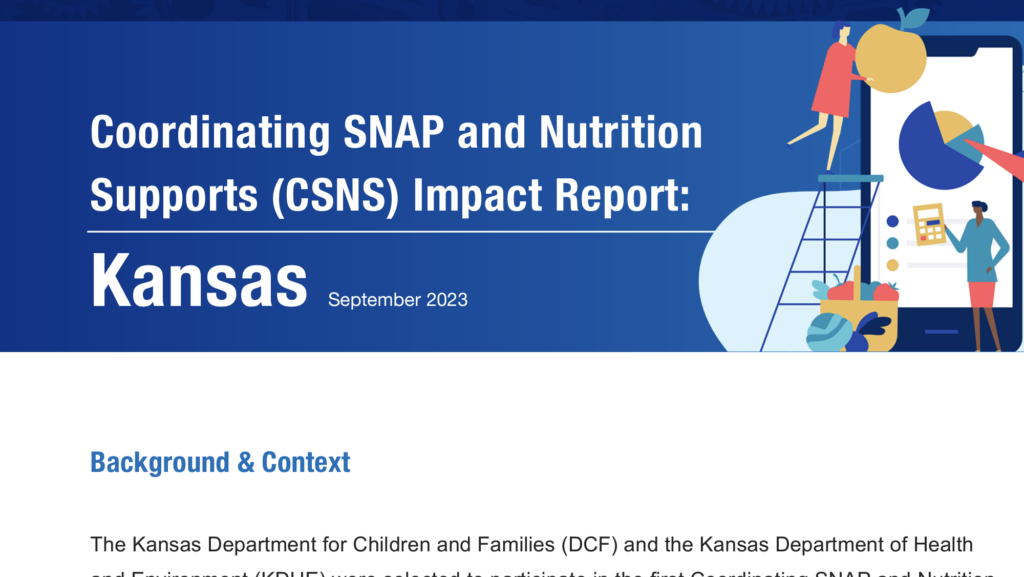
This report highlights best practices and lessons learned from Kansas' partnership with Delivering Change to improve SNAP and WIC access in seven counties through innovative data sharing and targeted outreach.
American Public Human Services Association (APHSA)
This landscape analysis examines data, design, technology, and innovation-enabled approaches that make it easier for eligible people to enroll in, and receive, federally-funded social safety net benefits, with a focus on the earliest adaptations during the COVID-19 pandemic.
A webinar presenting fresh data on how young adults aged 22 are faring in terms of poverty, employment, education, living arrangements, and access to public benefits.
A U.S. Digital Service blog report exploring the lived experiences of mothers seeking mental health care during pregnancy and postpartum, highlighting barriers in screening, diagnosis, and access to treatment.