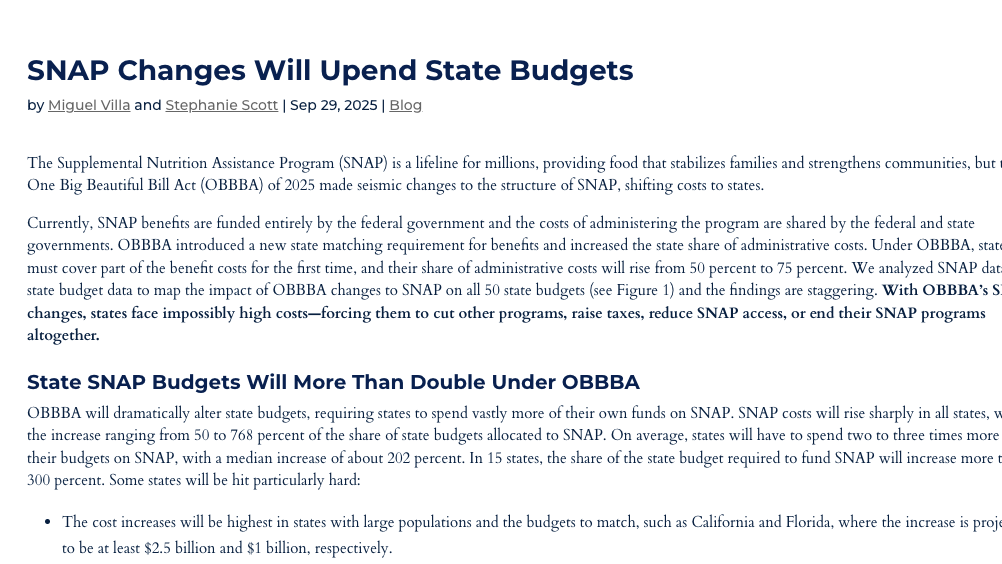
This blog analyzes how the One Big Beautiful Bill Act (OBBBA) will dramatically shift SNAP costs onto state governments, projecting massive budget increases and fiscal strain.
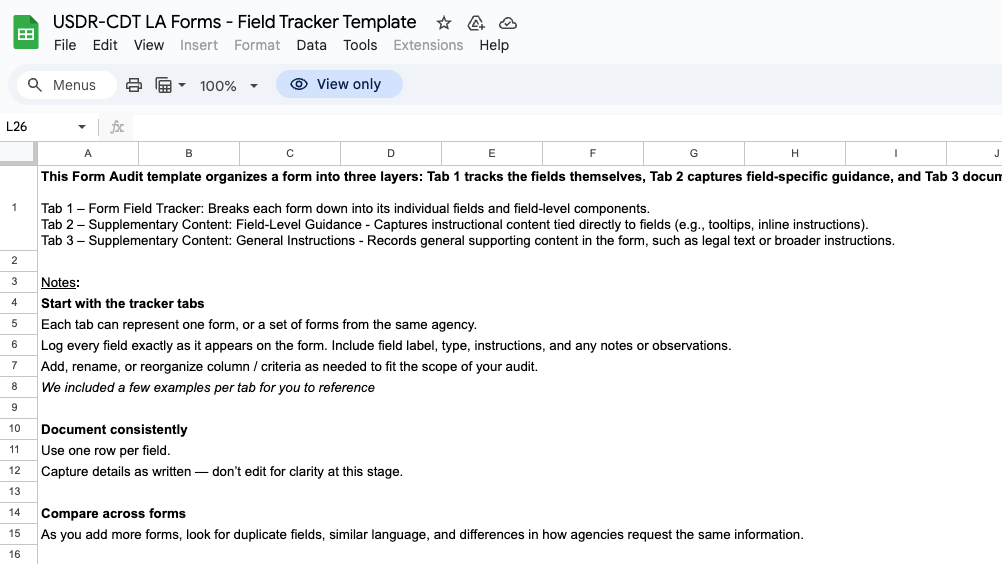
A structured spreadsheet template designed to audit, compare, and standardize government forms by breaking them down into individual fields, guidance, and general instructions.
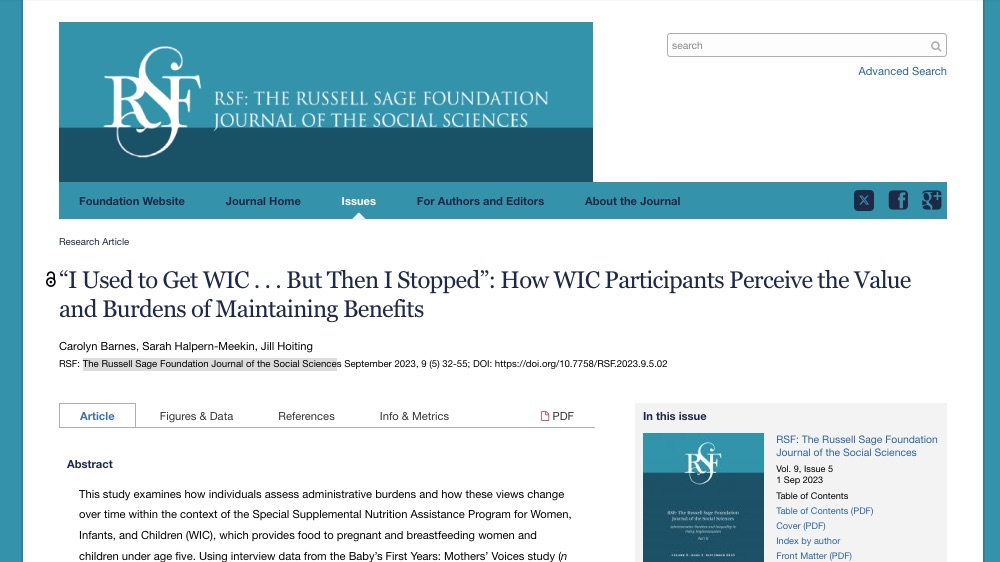
This study examines how individuals assess administrative burdens and how these views change over time within the context of the Special Supplemental Nutrition Assistance Program for Women, Infants, and Children (WIC).
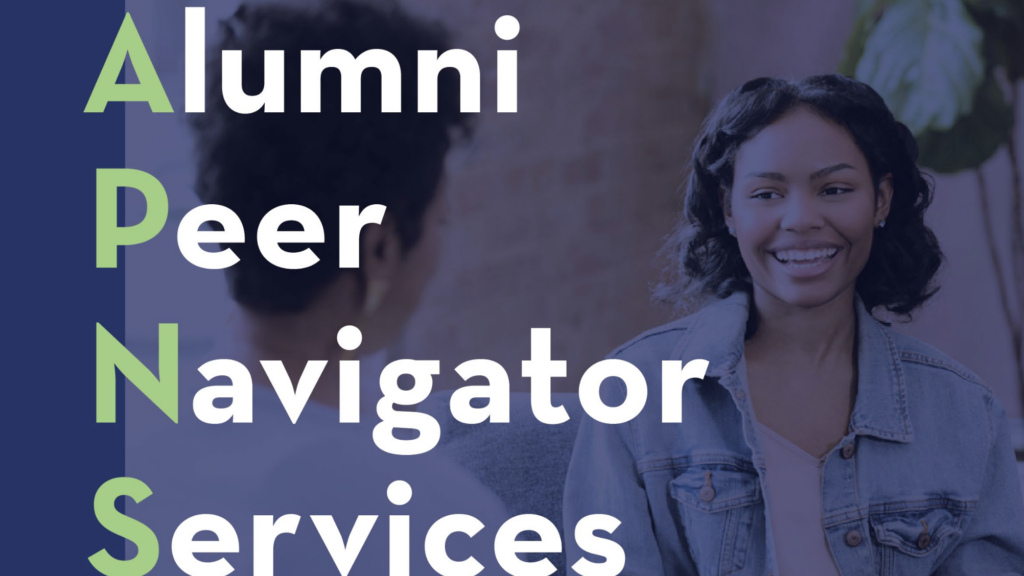
A practical implementation playbook guiding Healthy Start sites in designing, launching, and evaluating Alumni Peer Navigator (APN) services to improve maternal and child health through peer support and community-based participatory design.
During the call, we heard from two speakers: April Dunlap, Policy Administrator for Arizona’s Department of Economic Security and Professor Michele Gilman, Venable Professor of Law and Associate Dean for Faculty Research and Development at the University of Baltimore School of Law.
This news release highlights Pennsylvania’s first-in-the-nation Generative AI pilot under Governor Shapiro, showcasing its positive impact on state employees and commitment to responsible, ethical AI use.