Led by the Digital Benefits Network in partnership with Public Policy Lab, the Digital Doorways research project amplifies the lived experiences of beneficiaries to provide new insights into people’s experiences with digital identity processes and technology in public benefits. This report details the project’s findings, directly highlighting the voices of beneficiaries through videos and photos.
The Public Design Evidence Review examines how design practices can improve public policies and services across the UK, exploring what good “public design” looks like, how it’s being used, and what enables or inhibits its impact.
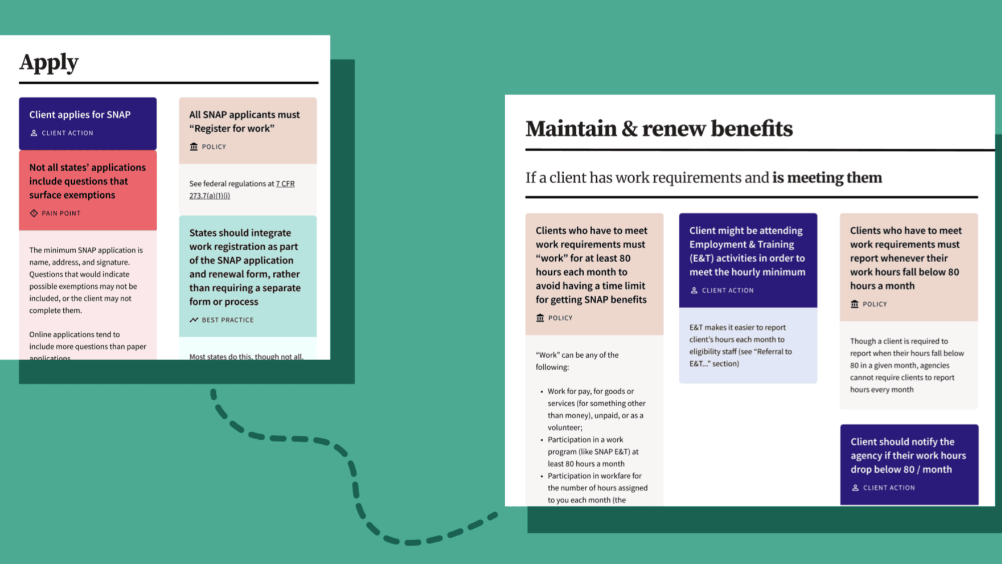
This blog presents a service blueprint that maps how expanded SNAP work requirements will affect the application, eligibility, and maintenance processes—and offers design recommendations to reduce administrative burden.
This guide outlines key strategies, definitions, and procedures for improving SNAP payment accuracy and reducing quality control (QC) error rates across states.
A report that reviews what has been learned from guaranteed income pilot projects in Massachusetts and situates those findings within the broader national evidence base.
This site contains resources explaining the 2025 Working Families Tax Cut Act (WFTC) — formally Public Law 119-21, which changes eligibility, financing, and community-engagement requirements for Medicaid and Children’s Health Insurance Program (CHIP).
This publication explains the fundamentals of state IEE systems—including the technology, opportunities, risks, and stakeholders involved. It is a resource for state officials, advocates, funders, and tech partners working to implement these systems.
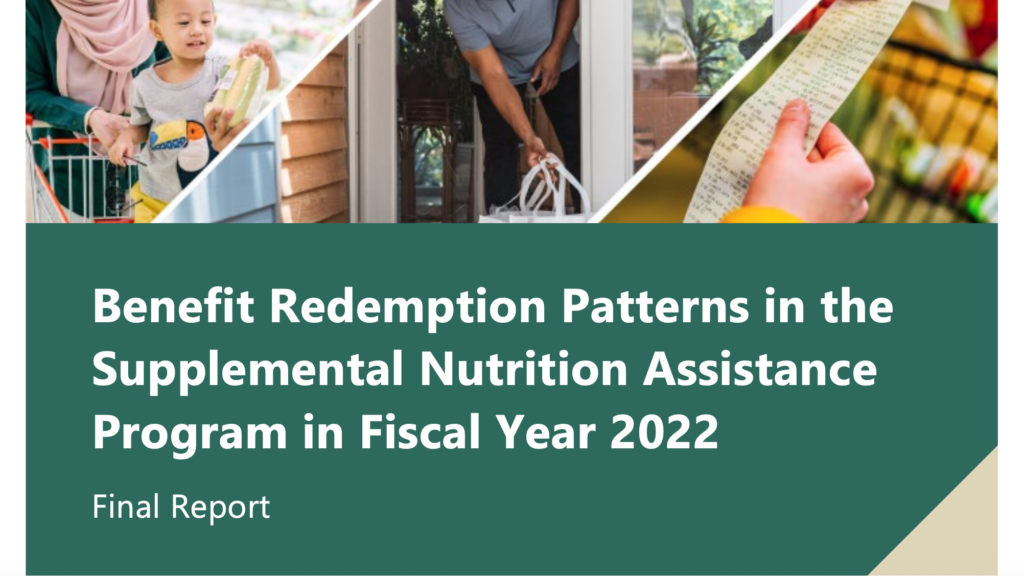
This report analyzes how SNAP households redeemed their benefits in FY 2022, examining transaction frequency, benefit exhaustion timing, store types, online purchasing, and the effects of pandemic-related policy changes.
This Congressional Research Service (CRS) Insight discusses the Office of Management and Budget's (OMB)guidance for implementing the OPEN Government Data Act of 2019.
This product validation summary deck explores federal opportunities to automate cross-program enrollment proofs and reduce manual verification burdens.