This is the summary version of a report that documents four experiments exploring if AI can be used to expedite the translation of SNAP and Medicaid policies into software code for implementation in public benefits eligibility and enrollment systems under a Rules as Code approach.
This toolkit outlines actionable changes for government practitioners looking to improve the accuracy and accessibility of the questions on their forms that collect information about a user’s gender.
This blog summarizes a FormFest session where the Center for Civic Design shared research on how screen reader users navigate voter registration forms and offered guidance for designing more accessible digital and PDF forms.
This landscape analysis examines data, design, technology, and innovation-enabled approaches that make it easier for eligible people to enroll in, and receive, federally-funded social safety net benefits, with a focus on the earliest adaptations during the COVID-19 pandemic.
This blog post shares findings from the February 2025 AI Trust Study on Canada.ca, revealing how Canadians perceive government AI and what builds trust.
A U.S. Digital Service blog report exploring the lived experiences of mothers seeking mental health care during pregnancy and postpartum, highlighting barriers in screening, diagnosis, and access to treatment.
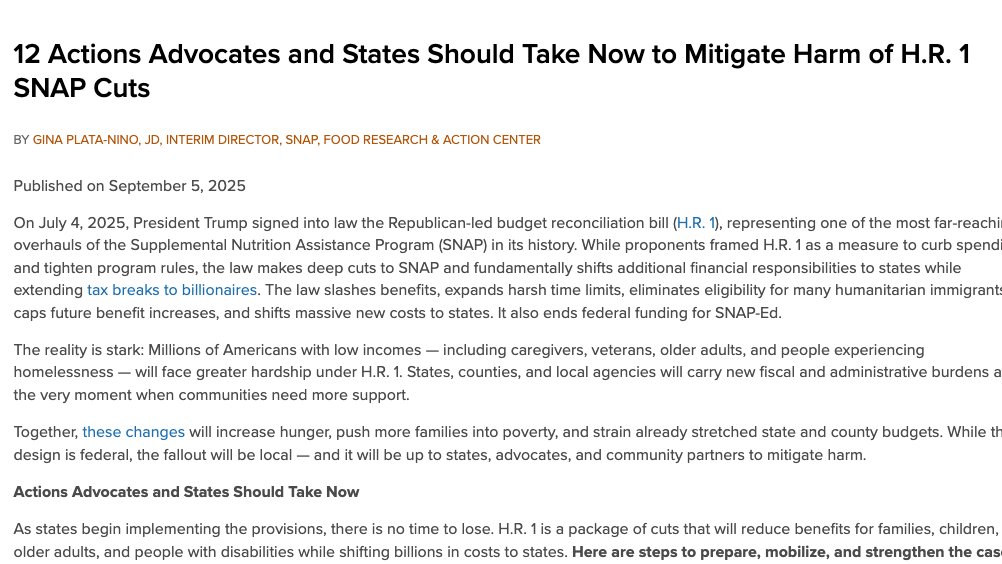
This blog analyzes how the One Big Beautiful Bill Act (OBBBA) will dramatically shift SNAP costs onto state governments, projecting massive budget increases and fiscal strain.
This study examines how individuals assess administrative burdens and how these views change over time within the context of the Special Supplemental Nutrition Assistance Program for Women, Infants, and Children (WIC).