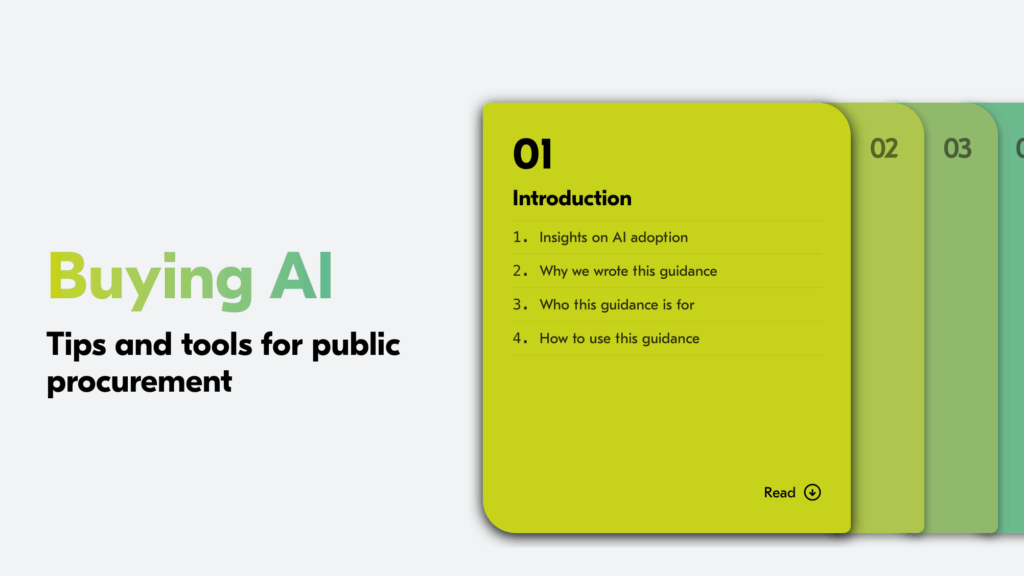
A practical, plain-language guide offering public-sector procurement and technology teams actionable tools and best practices for procuring AI responsibly and effectively.
A practical toolkit that guides teams through designing and building accessible forms in print and PDF formats that are usable by people with disabilities and meet accessibility standards.
Recapping the work and achievements of the Digital Benefits Network (DBN), Digital Service Network (DSN), and the State Chief Data Officers Network (CDO) in 2025.
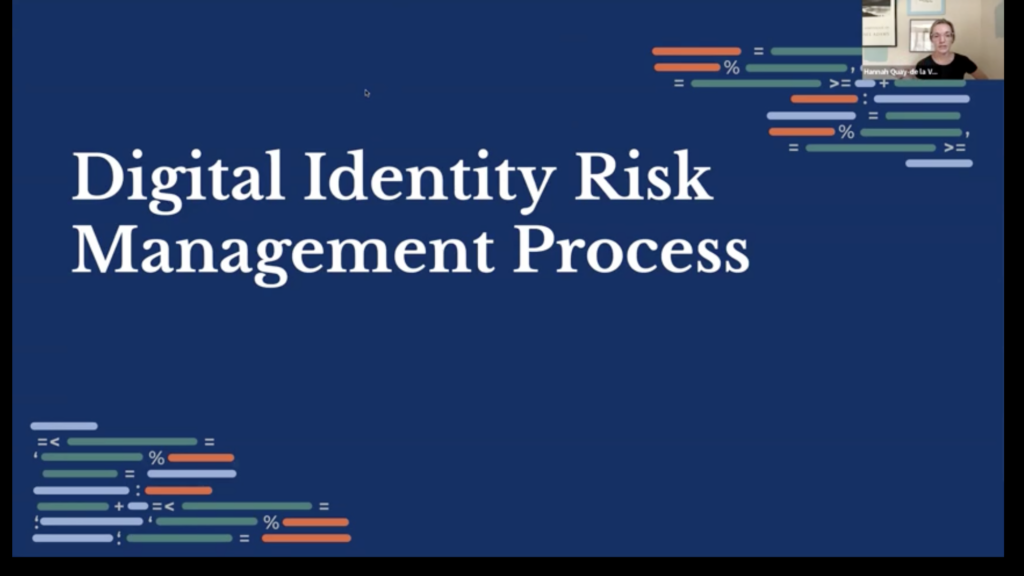
An overview video describing the Digital Identity Risk Management process outlined in NIST's Digital Identity Guidelines, which organizations can use to develop a risk-based approach to identity management.
A practical how-to guide explaining how agencies can use a streamlined small-business contracting pathway to quickly procure digital services and pilot modern delivery approaches.
Explains that government service forms should be designed to reduce anxiety and build trust—especially for marginalized people—by minimizing requests for highly sensitive personal information or explaining clearly why and how such data will be used, making optional fields and alternatives available, and providing context and reassurance throughout the application process.
An evaluation report assessing the performance of “Consult,” an AI-powered tool developed by the UK government’s Incubator for AI (i.AI), to analyse public consultation responses for the Scottish Government.
Government of Scotland Department for Science, Innovation and Technology (DSIT)
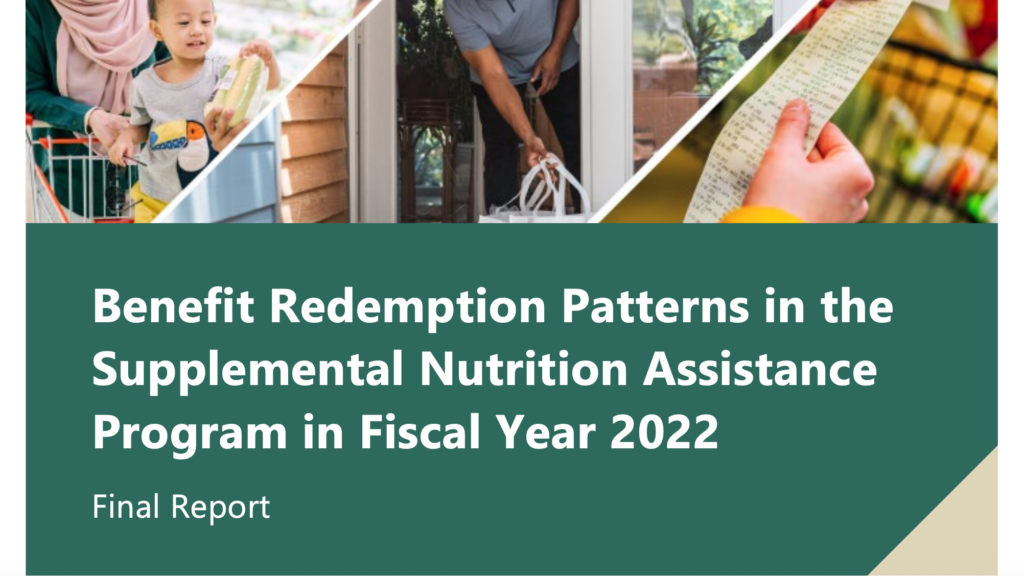
This report analyzes how SNAP households redeemed their benefits in FY 2022, examining transaction frequency, benefit exhaustion timing, store types, online purchasing, and the effects of pandemic-related policy changes.
This product validation summary deck explores federal opportunities to automate cross-program enrollment proofs and reduce manual verification burdens.
The report summarizes qualitative research and feedback from Tribal leaders and grant administrators to inform improvements in federal grant systems and processes.
U.S. Department of Health and Human Services (HHS)
A central hub of guidance, standards, and supporting documentation explaining how UK public sector bodies should record and publish information about algorithmic systems to ensure transparency and accountability.
A comprehensive assessment that maps how artificial intelligence is currently being used, governed, and managed across local, state, and federal governments in the United States.