An overview of current technology systems used by WIC agencies nationwide, highlighting trends, challenges, and opportunities for modernization to improve program efficiency and participant experience.
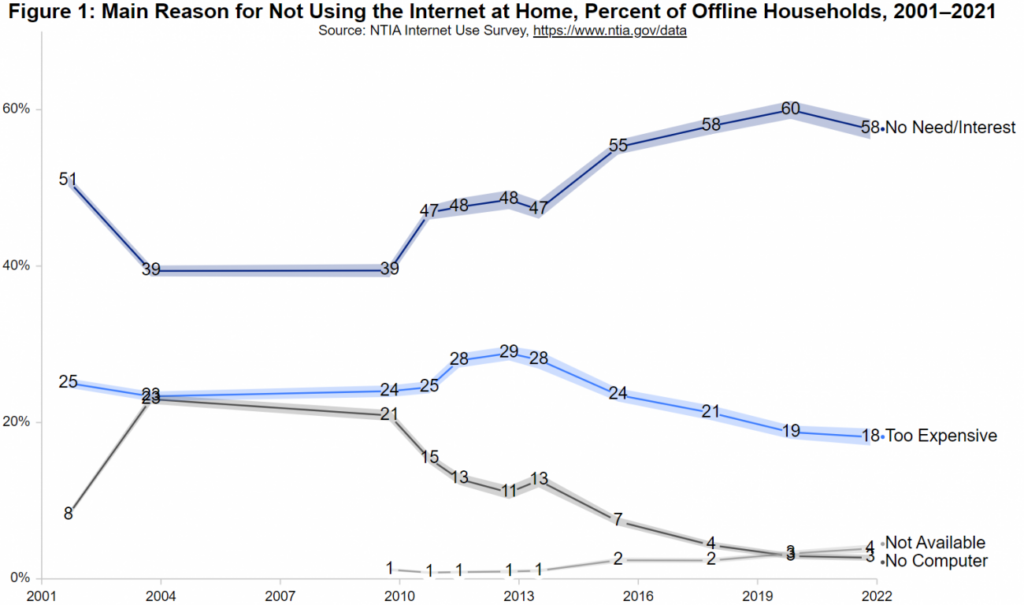
About one in five U.S. households lack home Internet access because many say they don’t need or want it and others—especially lower-income families—can’t afford service or the devices and skills to use it, highlighting persistent digital divide barriers.
National Telecommunications and Information Administration
This toolkit outlines actionable changes for government practitioners looking to improve the accuracy and accessibility of the questions on their forms that collect information about a user’s gender.
The Community Bill of Rights outlines principles and expectations for institutions to center community voices, share power, and build equitable partnerships with communities affected by systemic harm.