An impact report summarizing how a small public-sector innovation team tested, built, and piloted shared digital services to reduce administrative burden in public benefits delivery.
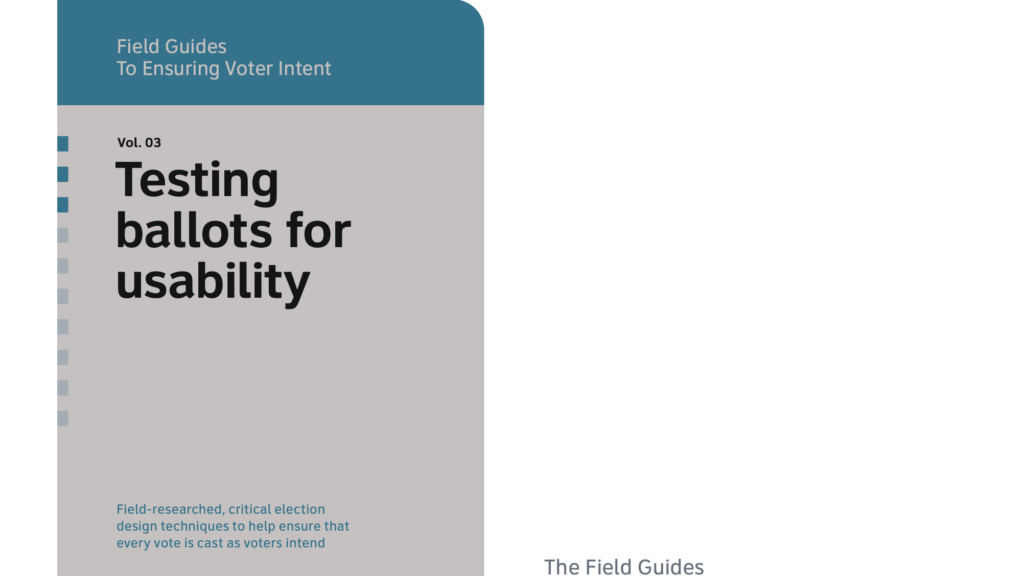
This field guide provides practical guidance for conducting usability testing on ballots to identify design issues and ensure voters can successfully cast their votes as intended.
A practical, step-by-step guide for government agencies to design, implement, and evaluate community engagement efforts around the use of artificial intelligence.
A practical accessibility framework that provides testable heuristics to help designers and developers evaluate and improve the inclusivity of data visualizations and data-driven interfaces.
This discussion paper advocates for states to use the implementation of OBBBA (One Big Beautiful Bill Act) as a catalyst to build integrated, cross-agency data systems.
This article provides an overview of the Medicaid Payment Error Rate Measurement (PERM) program and examines how the 2025 budget reconciliation law introduces new federal funding reductions for states that exceed specific eligibility error thresholds.
A resource outlining state approaches to reducing payment error rates (PER) in SNAP and implementing new federal work requirements and other changes under H.R. 1.
American Public Human Services Association (APHSA)
This comprehensive research report evaluates the structural progress, disparities, and operational barriers surrounding artificial intelligence adoption within the United States federal government.
Usability testing offers the opportunity to observe and learn from real users, enabling governments to iterate design to meet user needs. In this session Rua Williams, Assistant Professor in the School of Applied and Creative Computing from Purdue University, shared more about their research and practical steps government practitioners can take to conduct more inclusive and ethical usability testing. Attendees discussed partnering with disabled users in ways that are respectful, effective, and sustainable.