This report highlights 5 key takeaways from the Aspen Institute Financial Security Program's 2022 Benefits Forum, where 55 experts from various sectors discussed solutions for improving public and private benefits to better support workers and their families.
Teams crafting policy inside and outside government can use the assessment to center their policy-making activities around those most impacted by their proposed programs and policy ideas.
A research report examining how privacy and security risks are unevenly experienced across socioeconomic, racial, and ethnic groups, and how digital inequality shapes people’s exposure to harm and access to protective resources.
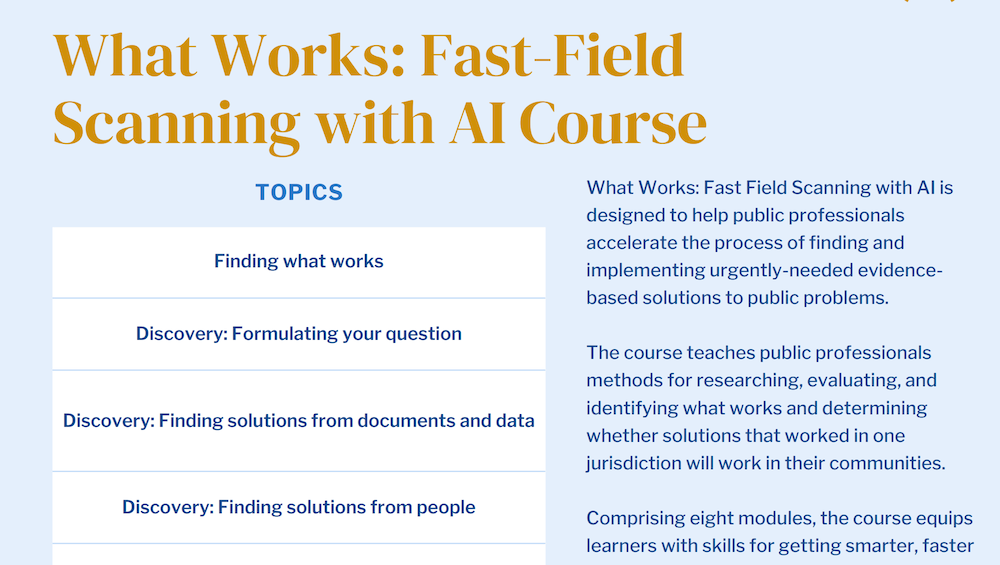
This course is designed to help public professionals accelerate the process of finding and implementing urgently-needed evidence-based solutions to public problems.
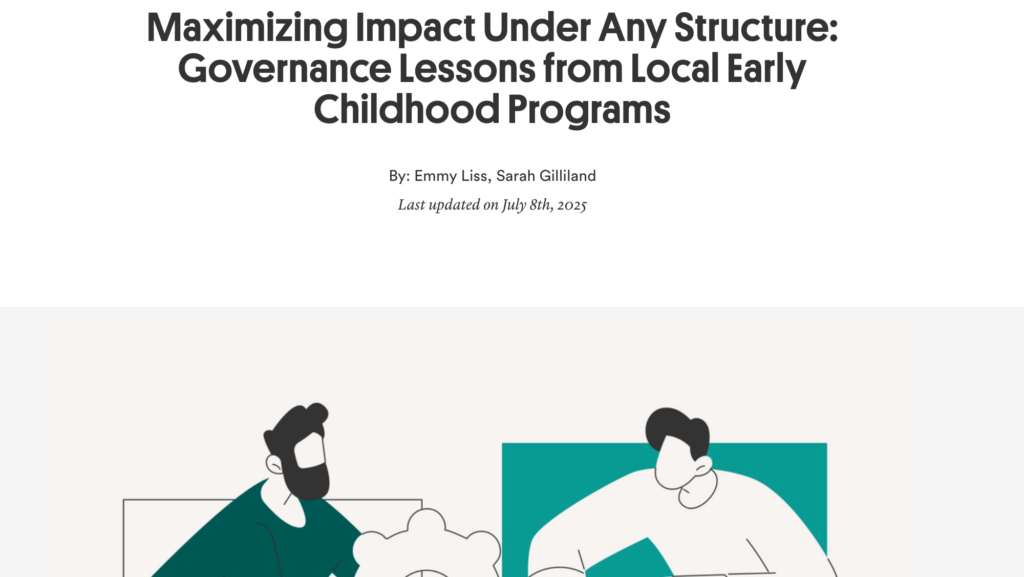
A research report that defines different local early childhood governance models and explains how communities can choose and design governance structures to support effective early care and education systems.
A pre-launch survey brief that documents the financial, emotional, and physical well-being of a local child care workforce before the start of a wage boost pilot.
In 2018 the Better Identity Coalition released a Policy Blueprint outlining five key initiatives that to solve the majority of America’s challenges in the digital identity space. This report from 2024 grades progress on each of the original Blueprint’s five key initiatives – as well as the 19 items that were contained in the “action plan” to support those initiatives.
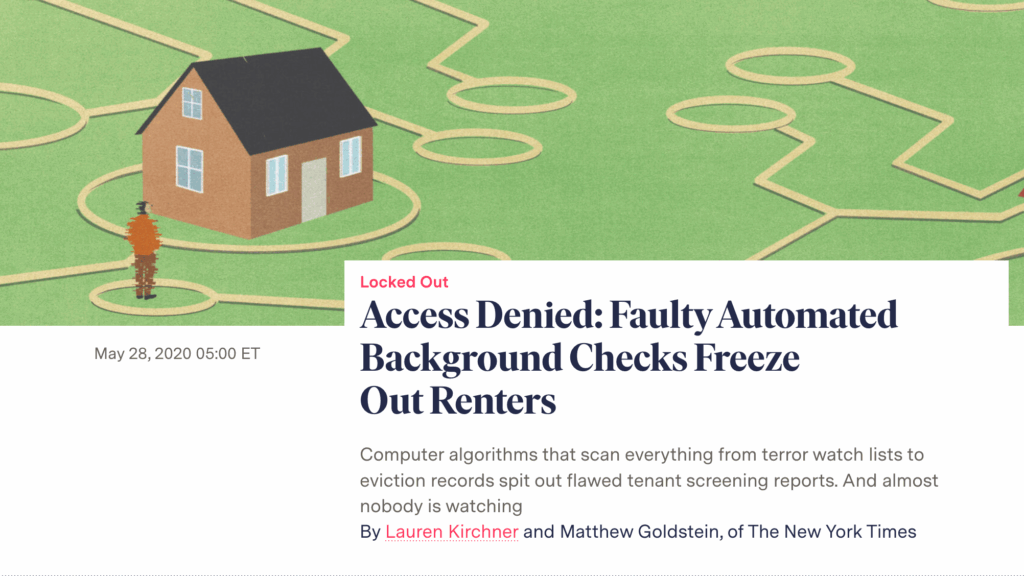
This reporting explores how algorithms used to screen prospective tenants, including those waiting for public housing, can block renters from housing based on faulty information.
This report outlines the guiding principles, policy priorities, and tools for the National Collaborative for Integration of Health and Human Services, aimed at improving health and well-being outcomes through the integration of health care and human services programs.
American Public Human Services Association (APHSA)
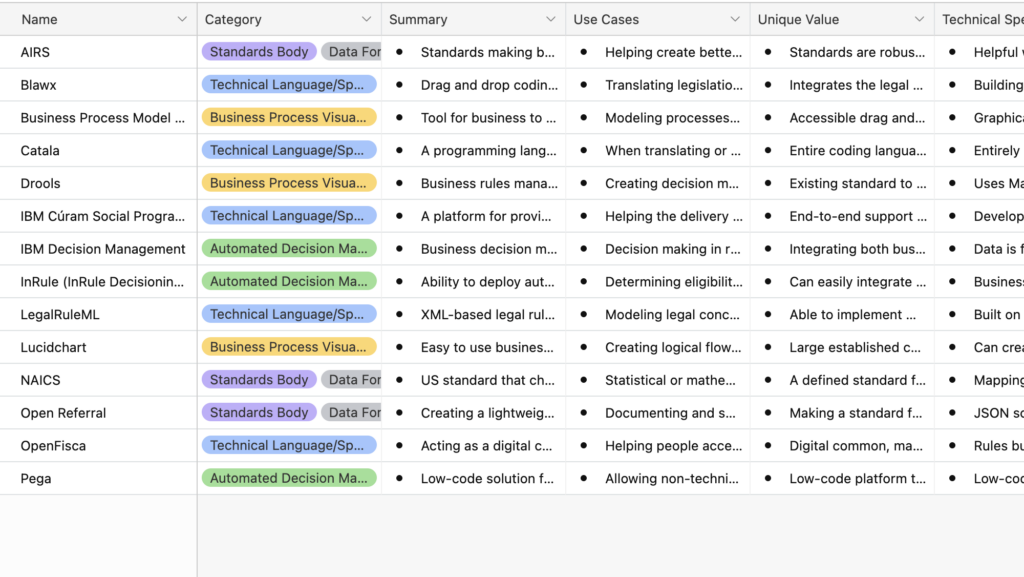
There are frameworks available that could inform the standardization of communicating rules as code for U.S. public benefits programs. The Airtable communicates the differences between the frameworks and tools. Each entry is tagged with different categories that identify the type of framework or tool it is.