This field guide is for digital services and technology leaders working at the federal, state, or local government level. It describes a way of applying research approaches to strategic decision making across digital services.
In June 2020, the state implemented an innovative and entirely virtual vendor selection process to evaluate these solutions under the direction of the Colorado Digital Service (CDS).
This blog post describes how the NYC Service Design Studio engaged residents in the development of the Community Compensation Fund, highlighting lessons on trust-building, equitable collaboration, and inclusive community decision-making.
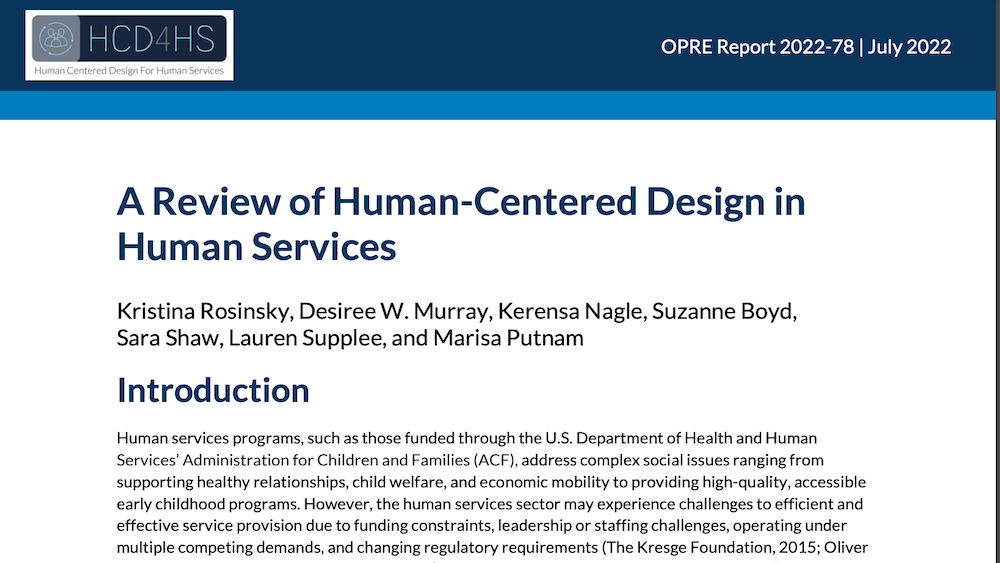
In this brief, they present a definition of HCD that is applicable to the context of human services delivery, differentiate HCD from similar design and problem-solving approaches, and describe how HCD is being used in human services.
U.S. Department of Health and Human Services (HHS)
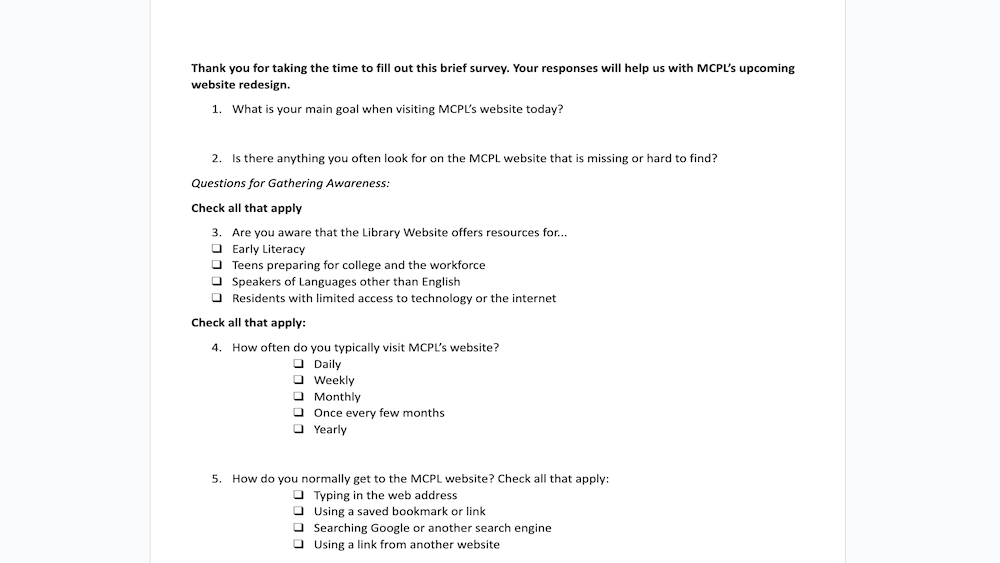
The folder for conducting user surveys for the Montgomery County Public Libraries website redesign includes materials such as Homepage Usability Questions and a comprehensive Website Survey. These tools are designed to gather user feedback on the homepage's functionality and overall website experience, helping inform improvements that align with user needs and expectations.
Montgomery County Public Library (MCPL) Digital Strategies Team
An outline of the opportunities for modernizing SNAP to better meet participant needs by streamlining enrollment, improving digital access, and enhancing coordination with other safety net services.
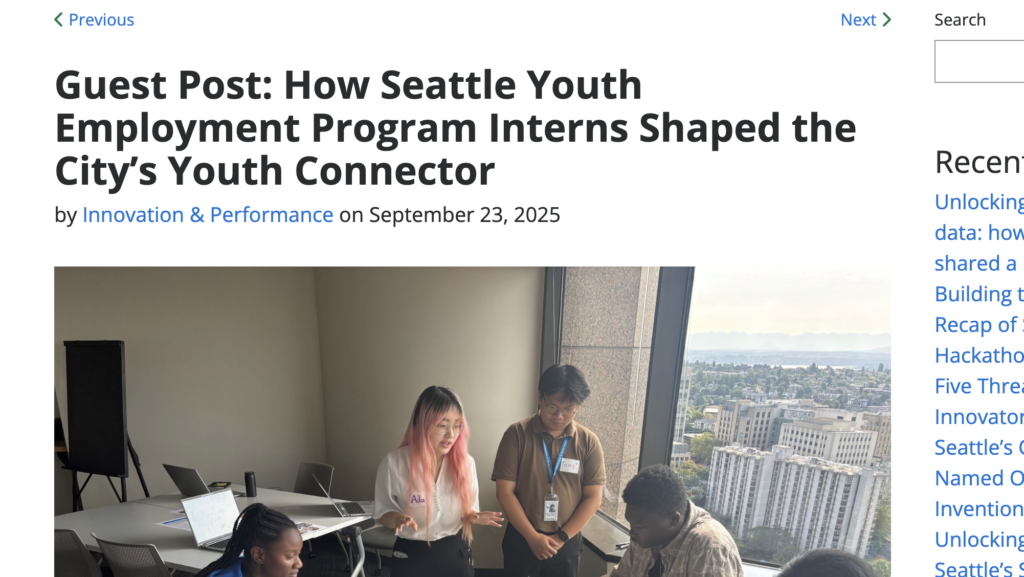
A blog post highlighting how youth employment interns contributed to shaping and co-designing the Youth Connector project by leading research, feedback sessions, and design testing to ensure the platform reflects youth needs.
This research used observational research with unemployment insurance (UI) claimants to identify pain points in the application process and inform customer experience improvements.