The SDCI User Research Participant Compensation Policy establishes guidelines for providing honoraria to user research participants, ensuring equitable, ethical, and inclusive engagement in SDCI’s UX research.
Seattle Department of Construction & Inspections (SDCI)
DSN Spotlights are short-form project profiles that feature exciting work happening across our network of digital government practitioners. Spotlights celebrate our members’ stories, lift up actionable takeaways for other practitioners, and put the examples we host in the Digital Government Hub in context.
This memorandum provides guidance to Federal agencies on how to broaden public participation and community engagement to improve government decision-making, enhance transparency, and build trust by engaging with communities, especially underserved groups.
This memo provides guidance on conducting usability testing under the Paperwork Reduction Act (PRA), clarifying when PRA approval is required, and offering strategies for quickly implementing improvements based on usability feedback for federal forms and websites.
This 2015 project presentation outlines the vision, research, and product requirements for DAHLIA, San Francisco’s online platform to centralize and simplify affordable housing searches and applications.
San Francisco Mayor's Office of Housing and Community Development
The Digital Benefits Network at the Beeck Center for Social Impact + Innovation at Georgetown University and Public Policy Lab co-hosted a webinar presenting breaking research on beneficiary experiences with digital identity processes in public benefits.
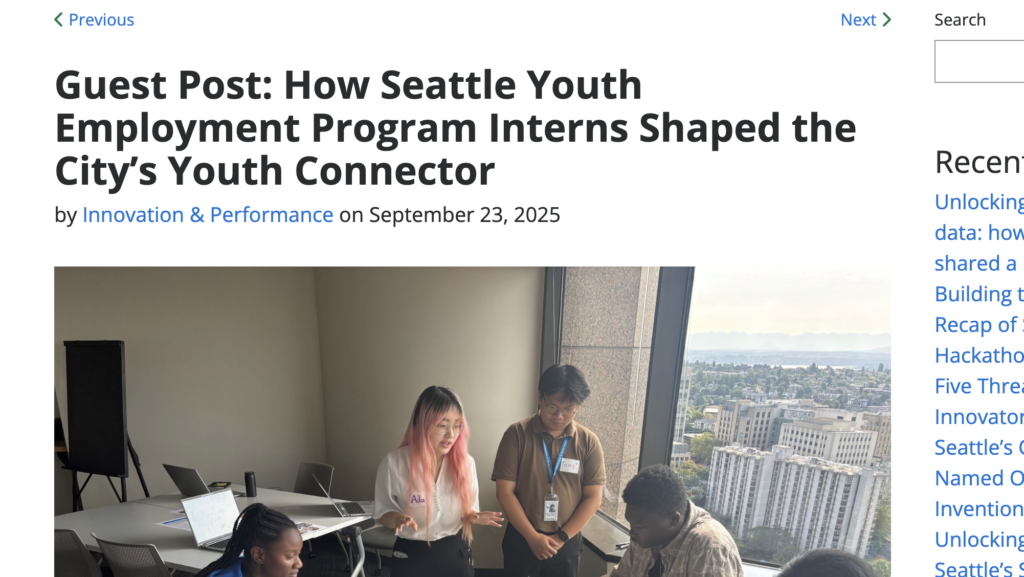
A blog post highlighting how youth employment interns contributed to shaping and co-designing the Youth Connector project by leading research, feedback sessions, and design testing to ensure the platform reflects youth needs.
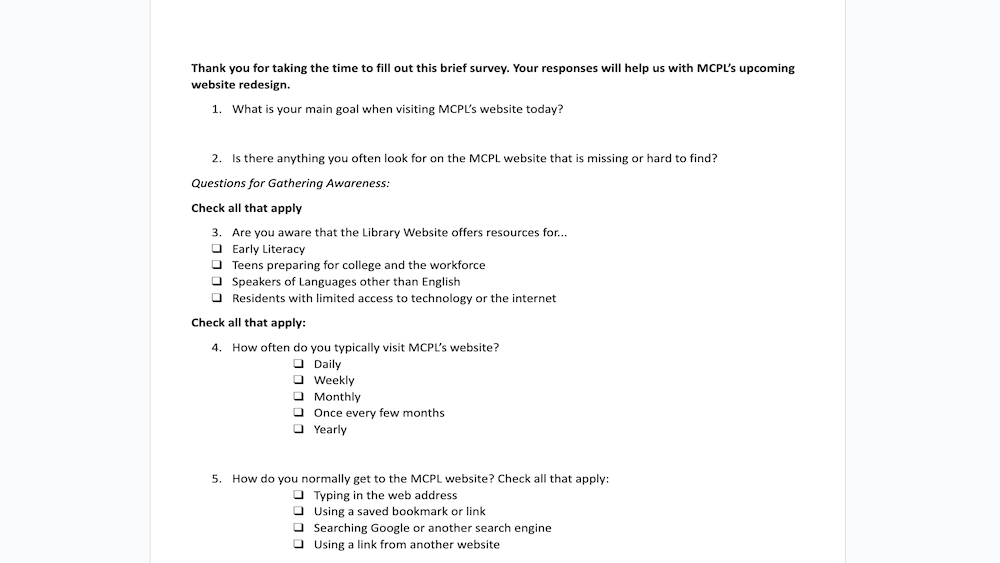
The folder for conducting user surveys for the Montgomery County Public Libraries website redesign includes materials such as Homepage Usability Questions and a comprehensive Website Survey. These tools are designed to gather user feedback on the homepage's functionality and overall website experience, helping inform improvements that align with user needs and expectations.
Montgomery County Public Library (MCPL) Digital Strategies Team
This tool kit brings together emergent best practices, workflows, and tools that communities, educators, mutual aid groups, designers, artists and activists are using for community building, and how design needs to change to best suit people, right now.