This blog explores the rise of person-centered insights in policymaking, featuring an overview of its benefits and expert interviews highlighting its crucial role in effectively delivering public benefits and human services.
The Technology Code of Practice is a set of government guidelines for designing, building, and buying digital services and technology to ensure they are efficient, accessible, and cost-effective in the UK.
This example examines Miami-Dade County's initiative to streamline digital applications for LIHEAP, aiming to improve accessibility and efficiency for residents seeking energy assistance.
The Digital Benefit Network's Digital Identity Community of Practice held a session to hear considerations from civil rights technologists and human-centered design practitioners on ways to ensure program security while simultaneously promoting equity, enabling accessibility, and minimizing bias.
This research paper explores how government design systems function as the “translation layer” of digital public infrastructure, transforming technical systems into accessible, trustworthy citizen experiences.
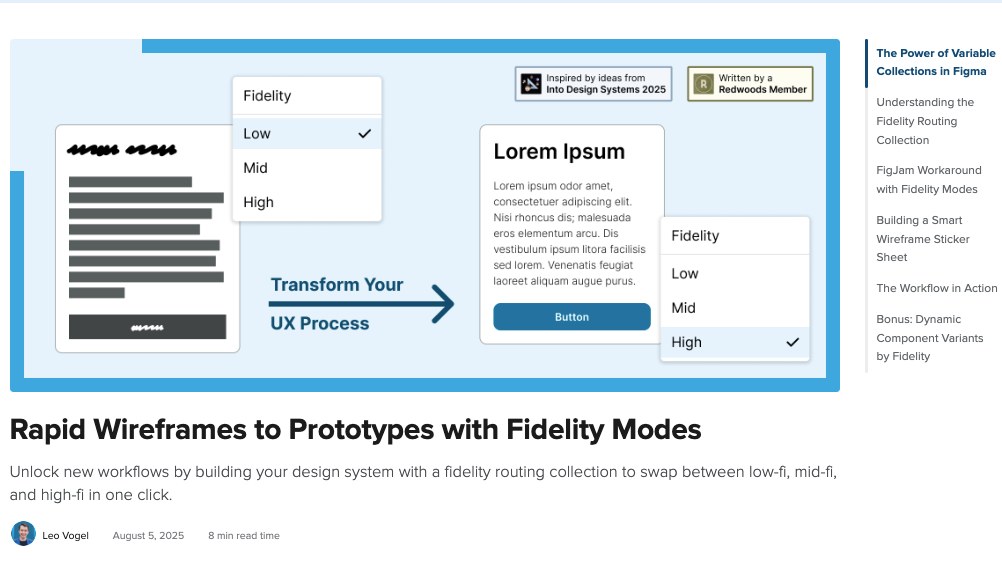
A practical resource explaining how to choose and use different fidelity modes in rapid prototyping to align team understanding and streamline design iterations.
DGN Spotlights are short-form project profiles that feature exciting work happening across our network of digital government practitioners. Spotlights celebrate our members’ stories, lift up actionable takeaways for other practitioners, and put the resources + examples we host in the Digital Government Hub in context.