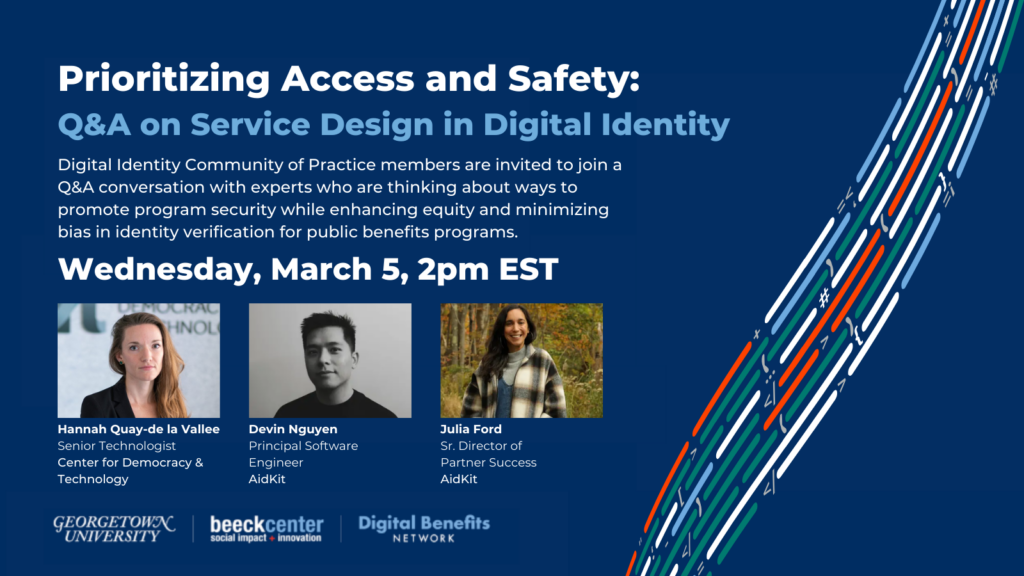
The Digital Benefit Network's Digital Identity Community of Practice held a session to hear considerations from civil rights technologists and human-centered design practitioners on ways to ensure program security while simultaneously promoting equity, enabling accessibility, and minimizing bias.
This article highlights how the City of Saint Paul and Ramsey County are advancing equitable access to climate-resilient green careers through their participation in TOPCities.
This blog recaps a conversation with Richard Pope, author of Platformland, on how public sector digital services must evolve to reduce administrative burden, enable easier service creation, and foster transparency and democratic participation.
This blog post shares five key service design lessons from U.K. experts Lou Downe and Sarah Drummond, offering practical guidance for building more connected, user-centered government services in British Columbia.
This 2015 project presentation outlines the vision, research, and product requirements for DAHLIA, San Francisco’s online platform to centralize and simplify affordable housing searches and applications.
San Francisco Mayor's Office of Housing and Community Development
Hennepin County, Minnesota, implemented an online application system for child care assistance, resulting in increased applications, faster benefit distribution, and reduced administrative burdens.
This report provides a comprehensive analysis of administrative burdens, offering strategies to reduce unnecessary obstacles in public service delivery, with a focus on improving access to government services for underserved and marginalized populations.
This Spanish translated fact sheet provides strategies for organizations to support and affirm LGBTQIA2S+ youth and young adults experiencing homelessness.
U.S. Department of Health and Human Services (HHS)
This blog discusses the 988 Suicide and Crisis Lifeline, a nationwide initiative aimed at providing accessible, immediate support for individuals experiencing mental health crises through the easy-to-remember number 988.