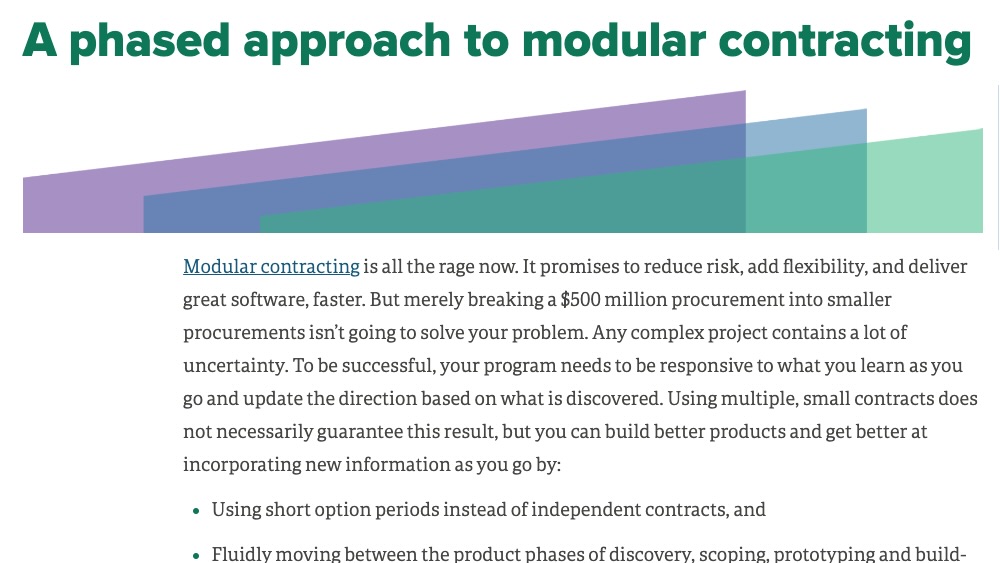
Modular contracting doesn’t just mean that you break one procurement into several pieces. This article shows you how to take a modular approach with a single contract divided up into natural break points.
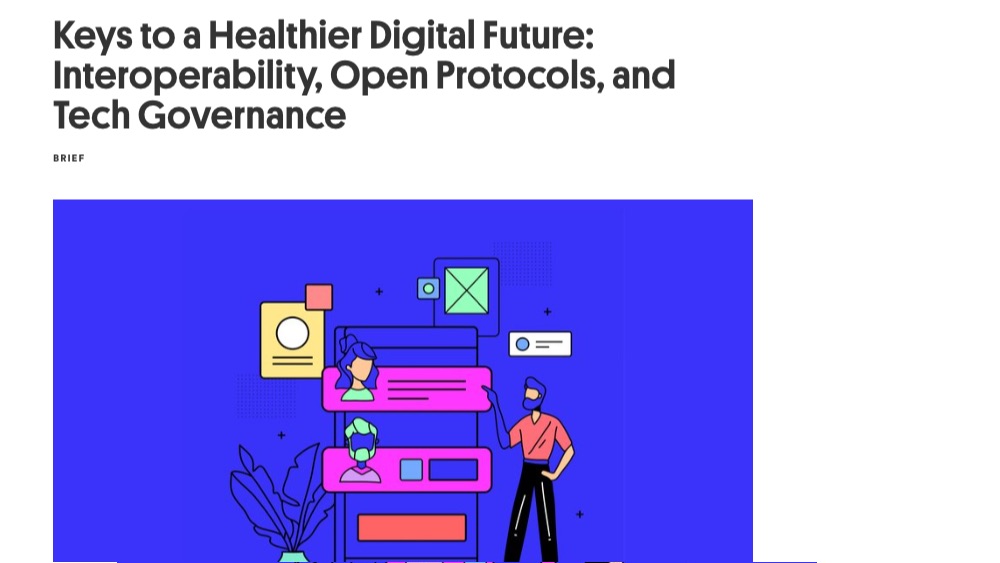
This research brief summarizes the ideas and recommendations from sessions with dozens of cross-sector stakeholders within the technology ecosystem to identify conditions for better, healthier, more secure digital ecosystems that could help guide the next generation of open protocols and platforms.
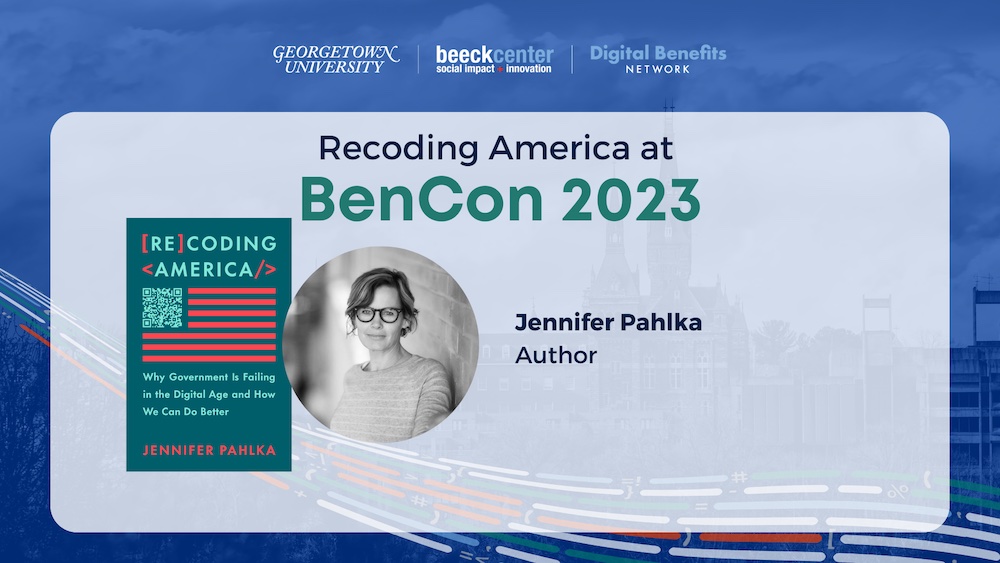
Jennifer Pahlka, Deputy CTO in President Obama’s Administration and author, shares her new book, Recoding America on how government must be equipped for digital delivery in order to meet ambitious policy goals. This video was recorded at the Digital Benefits Conference (BenCon) at Georgetown University on June 14, 2023.
This toolkit provides guidance for state and local WIC agencies on implementing digital tools to enhance participant engagement and streamline program operations.
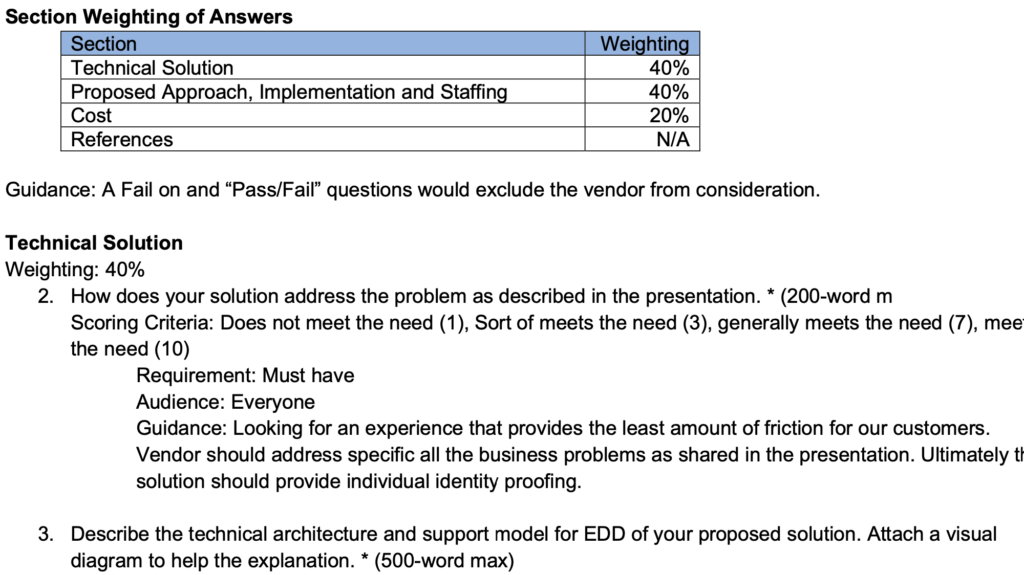
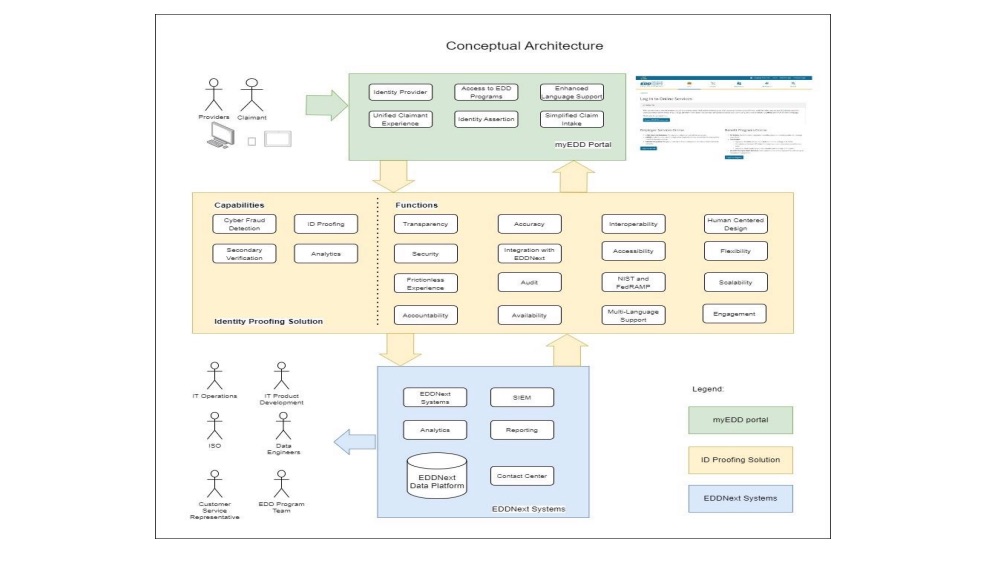
This 2023 presentation from the California Employment Development Department details the user personas the agency used to evaluate vendor proposals for a new identity proofing contract.
State of California Employment Development Department (EDD)
This guiding framework supports thoughtful evaluation of how new digital technology-based proposals can affect the U.S. public sector, with a particular focus on their impacts on human rights, social and economic justice, and democratic values. It will benefit funders, procurement officers, and advocates evaluating proposed projects that are often framed as “tech for good,” “justice tech,” or public interest technologies.
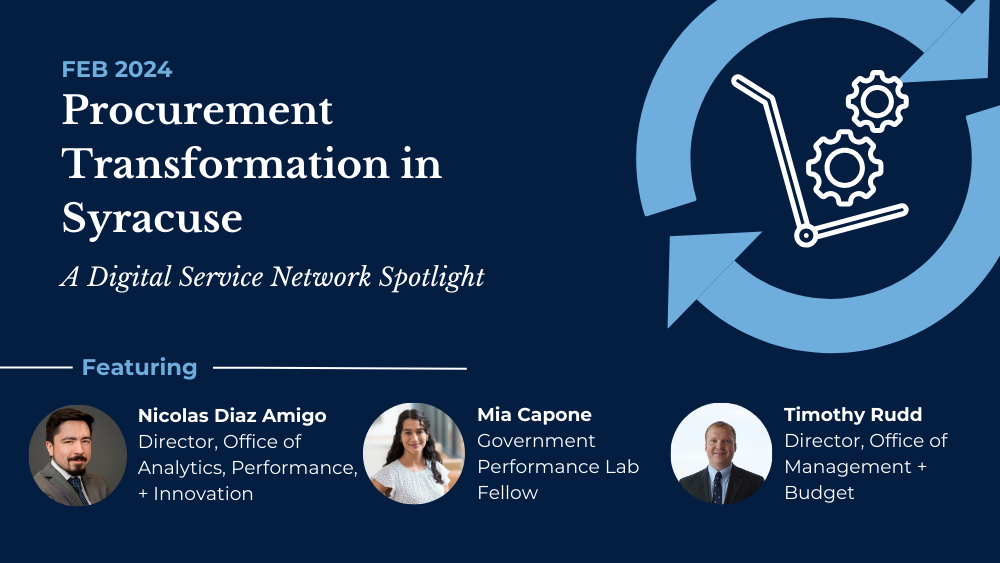
The Digital Service Network (DSN) spoke with API Director Nicolas Diaz Amigo, GPL Fellow Mia Capone, and OMB Director Timothy Rudd to learn more about the City of Syracuse's multi-year procurement transformation initiative.