These recommendations outline privacy-focused guidelines for states adopting digital IDs, emphasizing protections against surveillance, ensuring equitable access, and maintaining control over personal data.
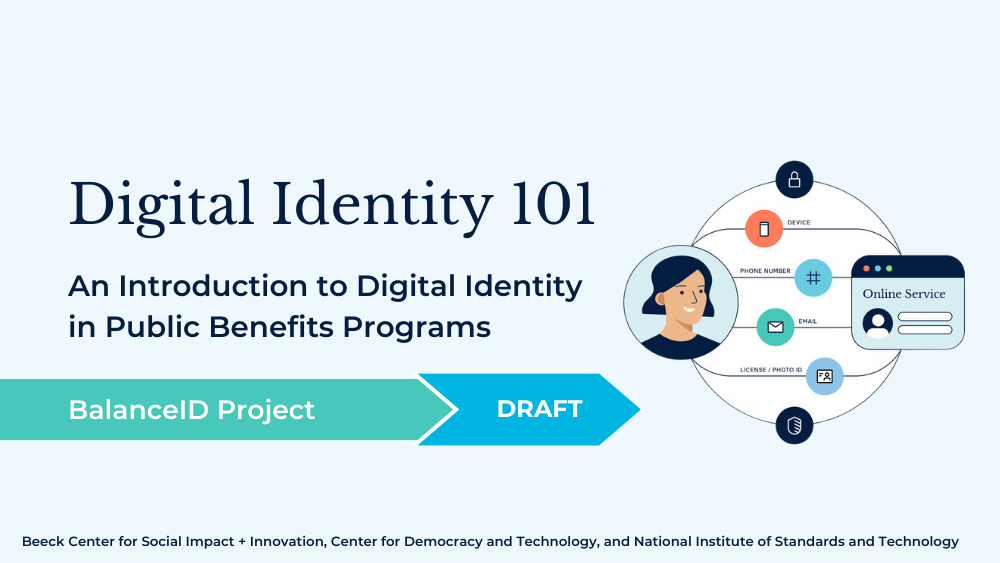
This introductory guide explains the core concepts of digital identity and how they apply to public benefits programs. This guide is the first part of a suite of voluntary resources from the BalanceID Project: Enabling Secure Access and Managing Risk in SNAP and Medicaid.
On July 16, members of the Digital Identity Community of practice gathered to learn how peers are gathering beneficiary feedback on their experiences with accounts and proving their identity.
Federal guidelines for digital identity services, outlining technical and procedural requirements for identity proofing, authentication, and federation.
National Institute of Standards and Technology (NIST)
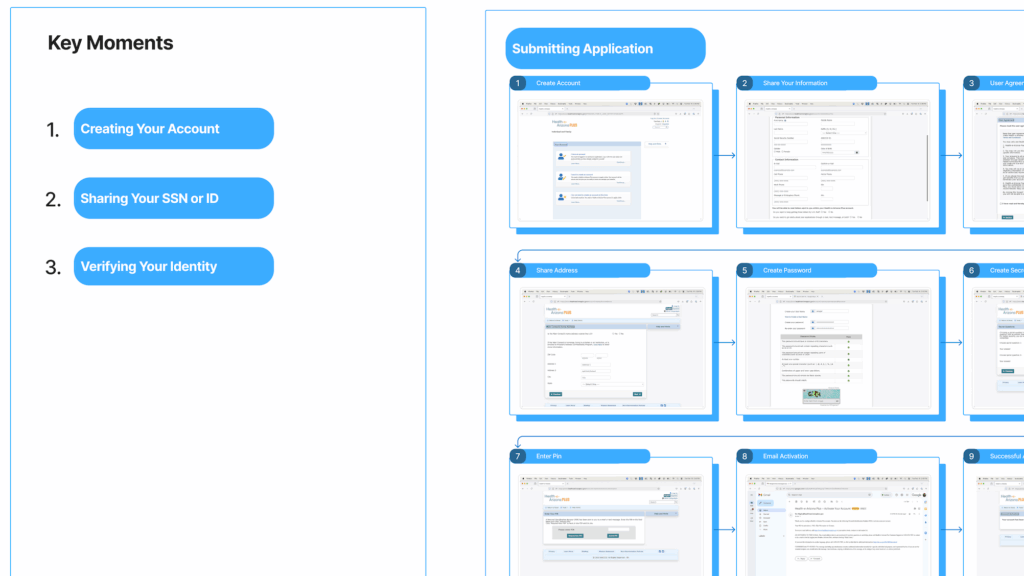
Created for use in the Digital Doorways research project, this design stimuli shows the steps of submitting an application, sharing personal information, and verifying identity for Arizona's integrated online application that includes SNAP and Medicaid.
Led by the Digital Benefits Network in partnership with Public Policy Lab, the Digital Doorways research project amplifies the lived experiences of beneficiaries to provide new insights into people’s experiences with digital identity processes and technology in public benefits. This report details the project’s findings, directly highlighting the voices of beneficiaries through videos and photos.
On May 19, 2023, the Digital Benefits Network published a new, open dataset documenting authentication and identity proofing requirements across online SNAP, WIC, TANF, Medicaid, child care (CCAP)applications, and unemployment insurance applications. This page includes data and observations about authentication and identity proofing steps specifically for online unemployment insurance applications.